In a hectic hospital setting, nurses often juggle multiple tasks under tight schedules. Speed and accuracy in data entry are critical to avoid mistakes. Wireless barcode scanners cut down the time needed to register patients and dispense medication. Scanning a patient’s wristband instantly pulls up their records, reducing manual entry errors. This simple step helps staff spend more time on direct patient care rather than paperwork. Nurses often double-check scanned information against bedside charts, preventing common miscommunications during shift changes.
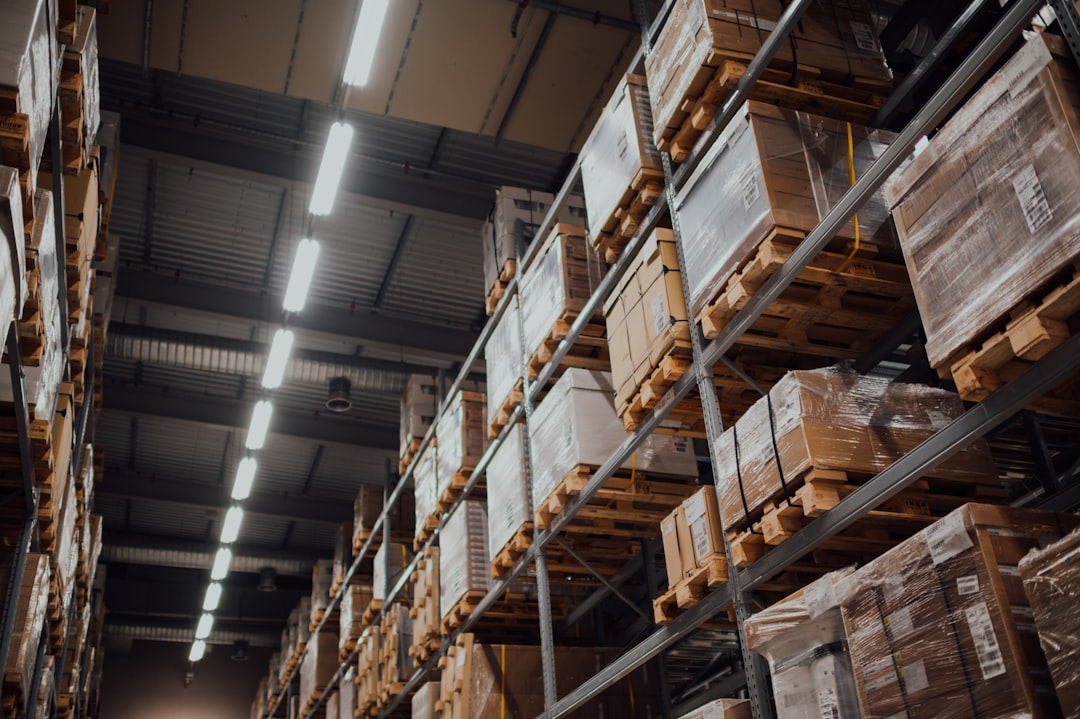
Manufacturing floors depend heavily on accurate inventory tracking to keep production lines moving. Barcode readers let workers scan items as they move through each stage, updating stock levels in real time. For example, when an assembly line finishes a batch, scanning the product code immediately adjusts inventory records. This prevents overstocking raw materials or running short on finished goods. Operators regularly verify scanned data against physical counts to catch discrepancies early, avoiding costly delays.
Retailers also benefit from barcode scanning technology. Self-service kiosks equipped with scanners allow customers to scan their own items, speeding up checkout queues. Shoppers appreciate the control and transparency of scanning prices themselves. Retail staff can then focus on helping customers with questions instead of managing long lines. These systems also reduce the risk of scanning errors common at busy registers. Store employees often audit receipts randomly to ensure scanners capture every item correctly.
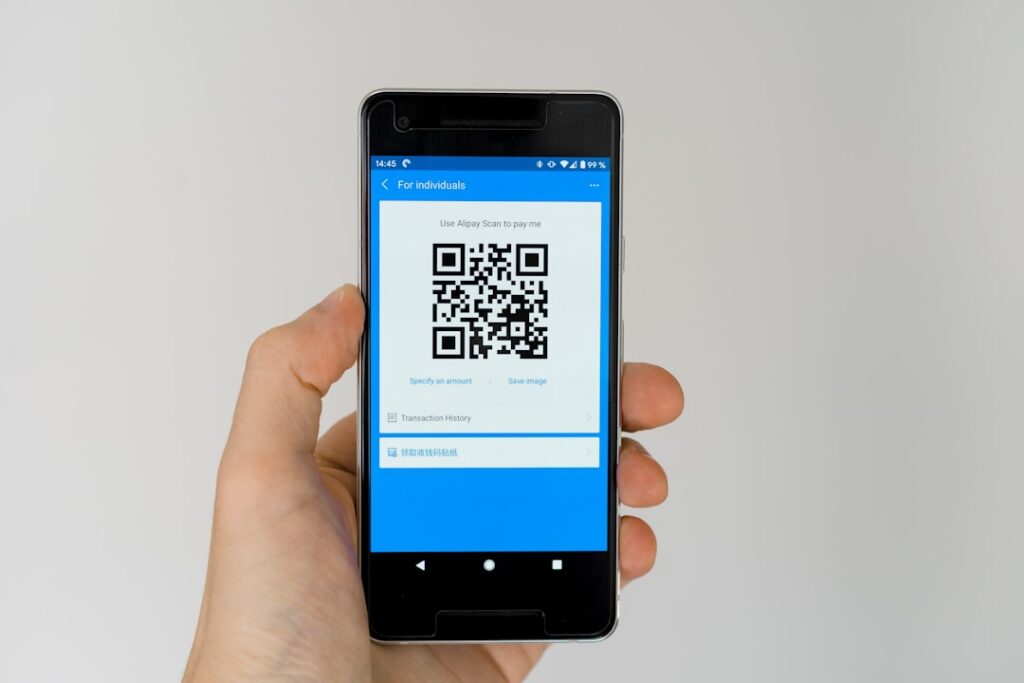
The use of mobile screen and paper 1D/2D readers is changing workflows across different industries. Employees can scan barcodes directly from smartphone screens or printed labels, making it easier to work remotely or on the move. Delivery drivers, for instance, quickly confirm packages and addresses without needing bulky paperwork. They cross-reference scanned details with shipping manifests to avoid mix-ups that could delay shipments.
There’s a misconception that setting up barcode scanning systems demands significant technical skills or heavy investment. In reality, many modern devices have user-friendly designs requiring minimal training. Staff can pick up scanning basics within minutes, reducing downtime during system rollouts. Investing in dependable hardware like udi barcode readers often leads to cost savings by cutting errors and streamlining operations over time.
Choosing the right scanner for the job is often overlooked but critical. Medical-grade barcode readers are built to meet strict hygiene and accuracy demands of healthcare environments. Using these ensures compliance with industry regulations while protecting patient safety. Similarly, POS kiosks made specifically for retail settings cater to fast customer interactions and ease of use. Selecting devices suited for their environment prevents frequent malfunctions and user frustration.
Advanced decoding features in newer scanners allow reading damaged or poorly printed barcodes that older models struggle with. This reduces interruptions caused by unreadable codes, keeping productivity steady even under challenging conditions. For example, the DT-90F single tube reader handles tough industrial environments well, while the DT-80 self-service POS scanner supports high-volume retail traffic efficiently. Both options give businesses flexibility to match equipment with specific operational demands.
Wireless barcode scanners improve workflows across sectors by speeding up routine tasks and reducing mistakes. Hospitals gain precise patient information swiftly; factories maintain accurate inventory levels; retailers accelerate checkouts and enhance customer experience. As technology evolves, investing in quality barcode readers remains a practical way for businesses to improve day-to-day operations and meet customer expectations reliably.mobile barcode scanning devices