Barcode scanners are a fundamental part of modern retail, logistics, and inventory management systems. They allow for the quick and accurate capture of product information, streamlining operations and reducing human error. At their core, barcode scanners translate optical information into digital data, enabling seamless tracking and management of goods across various industries.
The basic functionality of a barcode scanner involves emitting a beam of light that reflects off the barcode. The scanner detects the reflected light and converts it into electrical signals. These signals are then decoded into data that a computer system can recognize and process. This data typically includes product identification numbers, prices, and other relevant details. There are several types of barcode scanners, including laser scanners, CCD (charge-coupled device) scanners, and camera-based systems. Each type has its own advantages depending on the intended application.
In retail environments, barcode scanners are primarily used at checkout counters to speed up the sales process. Instead of manually entering product numbers or prices, a cashier can scan an item to quickly retrieve its information. This not only saves time but also helps reduce pricing errors. Barcode scanning also plays a significant role in inventory management. By scanning products as they enter or leave storage, businesses can maintain accurate stock levels and generate real-time inventory reports.
Beyond retail, barcode scanners are widely used in healthcare to ensure patient safety and medication accuracy. By scanning wristbands or medication labels, healthcare professionals can verify identities and match prescriptions, reducing the risk of mistakes. Similarly, in logistics and warehousing, barcode technology helps track shipments, optimize delivery routes, and maintain accurate records of goods in transit.
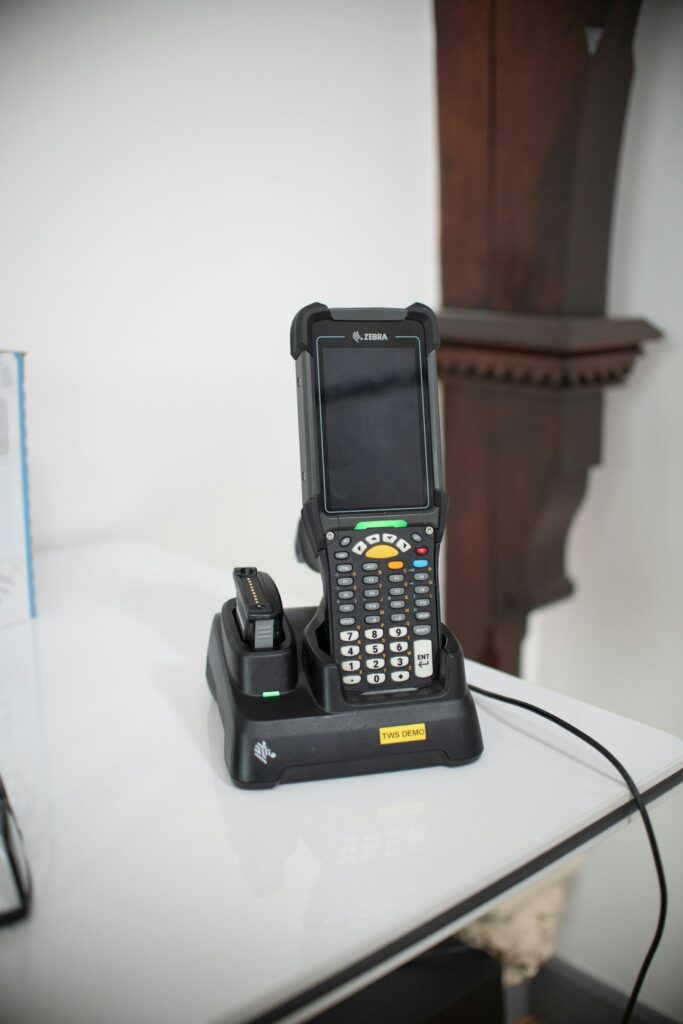
For businesses seeking to integrate this technology, choosing the right barcode scanner depends on several factors, including the environment, the types of barcodes being scanned, and the desired level of mobility. For instance, handheld scanners are ideal for flexible use, while mounted or fixed-position scanners may be better suited for high-volume operations. Wireless and Bluetooth-enabled models offer added convenience in large spaces where mobility is key.
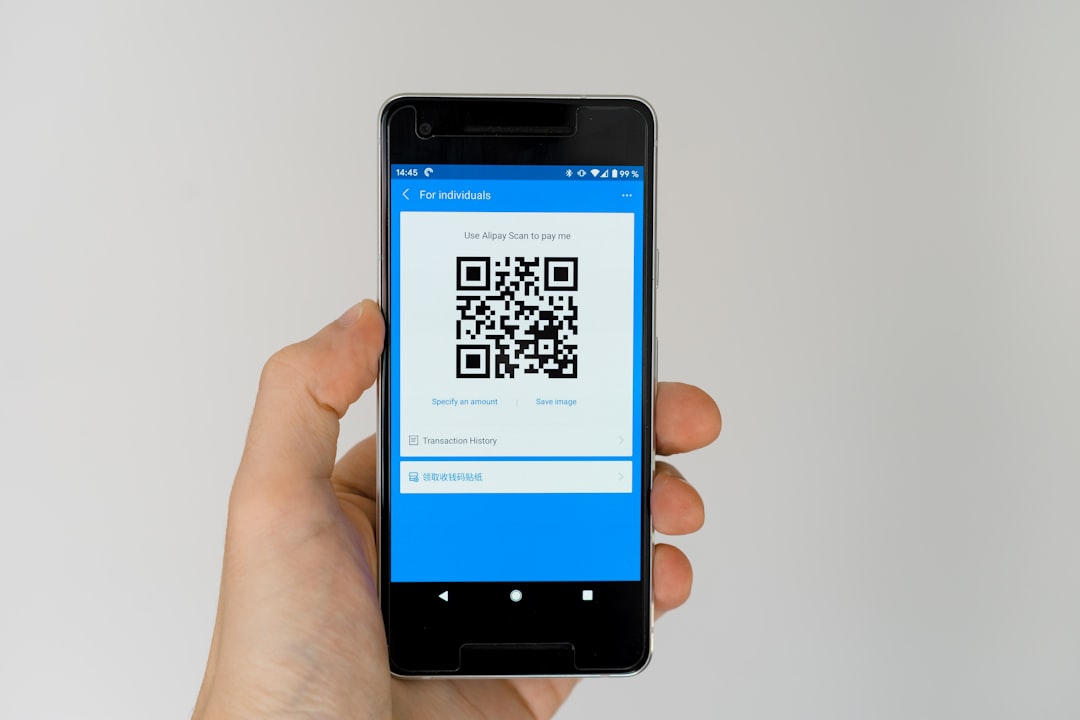
Advancements in barcode scanner technology have led to the development of models capable of reading both 1D and 2D barcodes. While traditional 1D barcodes are limited to horizontal lines, 2D barcodes such as QR codes can store more complex data in a compact space. This expanded data capacity allows businesses to encode additional information like URLs, expiration dates, and serial numbers, enhancing traceability and customer engagement.
The integration of barcode scanners with software systems like point-of-sale (POS) platforms, enterprise resource planning (ERP) tools, and inventory management solutions amplifies their utility. This integration facilitates real-time updates, streamlined workflows, and improved decision-making. Employees can quickly access product information, track sales trends, and manage reorder levels with greater efficiency.
Even small businesses can benefit from incorporating barcode scanning into their operations. The initial investment is often offset by the time savings and increased accuracy achieved. User-friendly interfaces and plug-and-play capabilities make it easier than ever to implement barcode technology without requiring extensive technical knowledge.
As industries continue to evolve, the demand for faster, more reliable data capture will only grow. Barcode scanners are poised to remain a vital tool in this landscape, supporting everything from e-commerce fulfillment to supply chain transparency. The convenience and efficiency they provide make them indispensable in a wide range of applications.
To explore different scanning solutions and find a model that suits your operational needs, visit this barcode scanning resource page that offers a range of options tailored to various business environments.