Barcode stickers play an essential role in modern inventory management, retail operations, logistics, and a wide array of other industries. These adhesive labels, printed with machine-readable codes, provide a quick and reliable way to store and retrieve information. Whether used to track products in a warehouse or manage sales in a retail environment, barcode stickers offer efficiency, accuracy, and convenience.
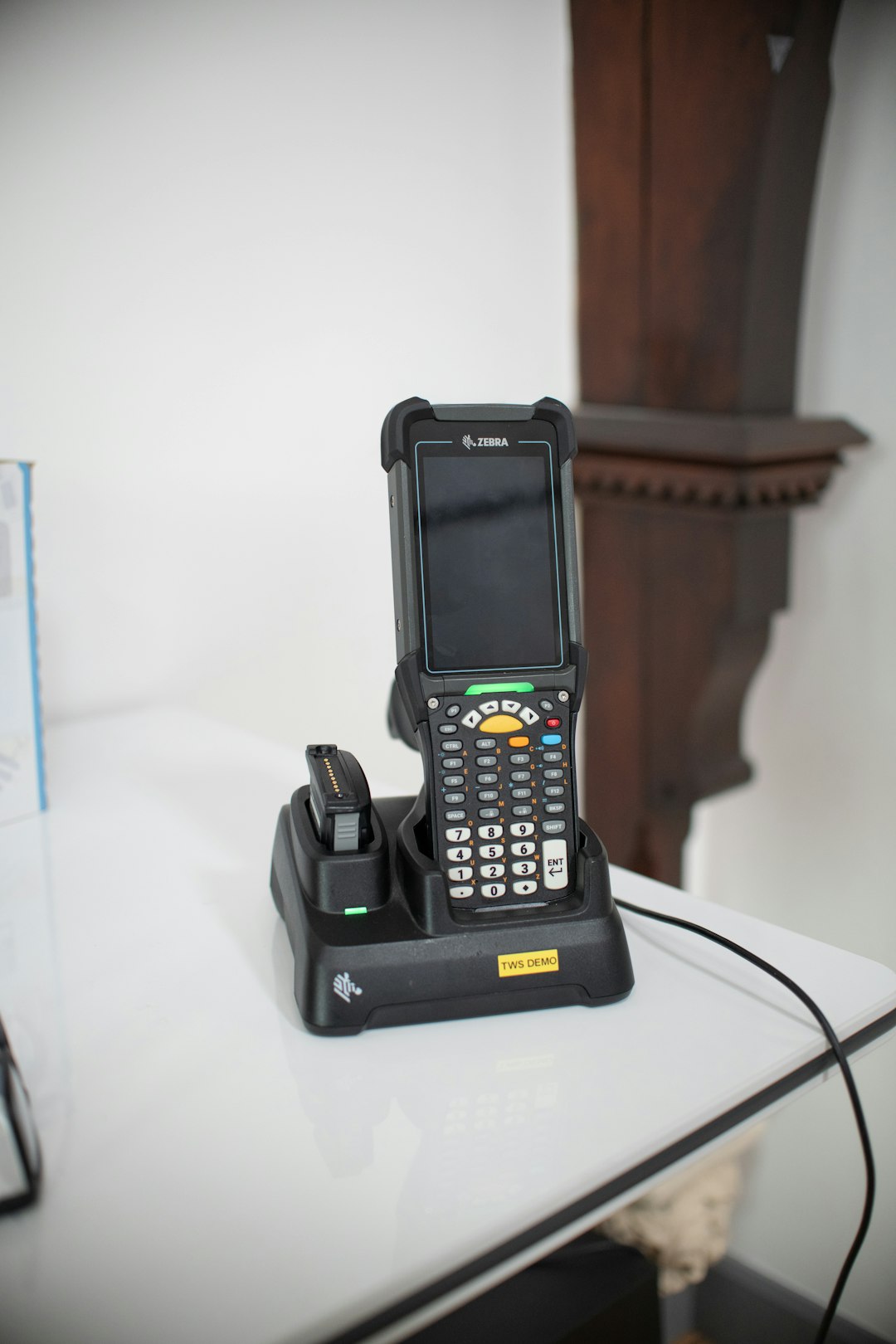
The technology behind barcode stickers is based on encoding data into a pattern of parallel lines or other shapes that can be read by scanners. This encoded data typically corresponds to product details, serial numbers, or location identifiers. As a result, organisations can streamline operations by automating data entry, reducing human error, and improving overall traceability. In sectors like healthcare, manufacturing, and distribution, these advantages make a significant impact on productivity and compliance.
When selecting barcode stickers, it’s important to consider the environment in which they will be used. For example, labels exposed to moisture, extreme temperatures, or chemicals require durable materials and specialised adhesives. In contrast, stickers for indoor retail use may prioritise print clarity and adhesive performance on smooth surfaces. Matching the right material and adhesive combination to the application ensures longevity and scanning accuracy.
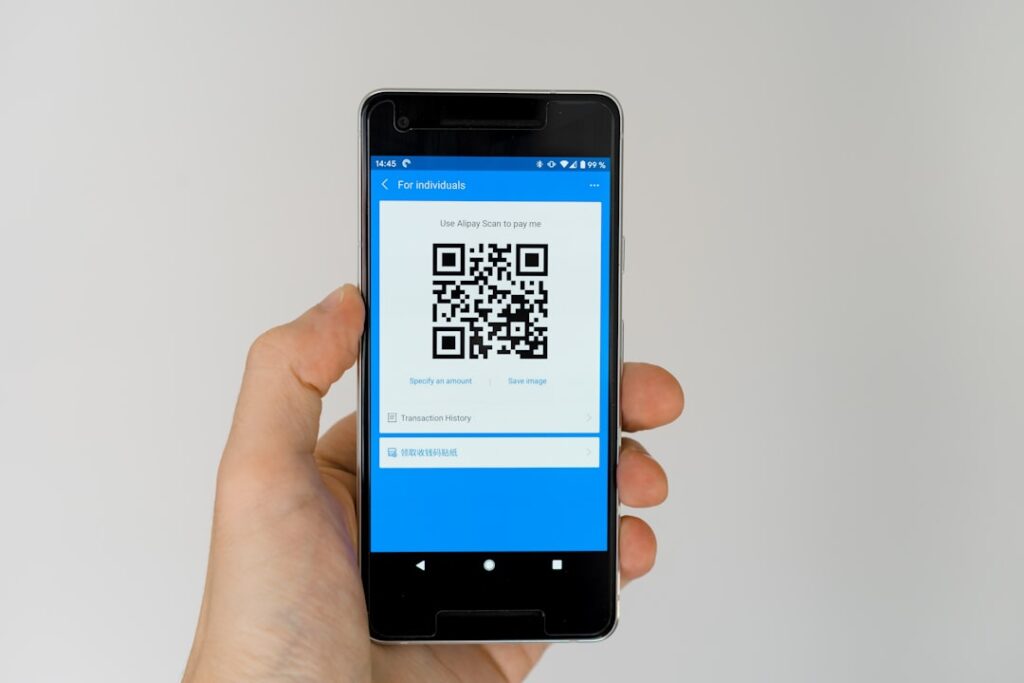
Another important consideration is the type of barcode used. Linear barcodes, such as the commonly recognised UPC or EAN codes, are widely used in retail and consumer goods. These codes represent data in a single dimension and are easy to scan with handheld devices. On the other hand, two-dimensional barcodes like QR codes or Data Matrix can store significantly more information in a compact space. These are especially useful in applications where space is limited or where detailed data, such as batch numbers or expiry dates, must be included.
Barcode stickers are not only about functionality; they also serve a role in branding and product presentation. Custom-printed labels can include logos, colour schemes, and text that align with a company’s visual identity. This is particularly important for consumer-facing products, where packaging and labelling influence purchasing decisions. A well-designed barcode label can communicate professionalism and credibility while fulfilling practical tracking requirements.
The printing process used for barcode stickers also influences their quality and effectiveness. Thermal transfer printing, for instance, is ideal for high-durability applications, producing smudge-resistant and long-lasting labels. Direct thermal printing, while more economical, is better suited for short-term use, such as shipping and logistics labels. Choosing the right printing method ensures that the barcode remains scannable throughout its lifecycle, reducing delays and errors in processing.
Integration with digital systems is another key benefit of using barcode stickers. When paired with inventory management software, barcodes enable real-time tracking of stock levels, order fulfilment, and shipment status. This integration supports just-in-time inventory practices and helps businesses respond quickly to demand fluctuations. In addition, barcode systems can provide valuable data analytics, offering insights into sales trends, shipping performance, and resource utilisation.
For businesses looking to implement or upgrade their barcode labelling system, working with a provider that understands these variables is crucial. Customisation, material selection, and compliance with industry standards are all factors that influence the effectiveness of a barcode solution. A thorough consultation process ensures that the stickers meet both operational needs and regulatory requirements.
More than just an operational tool, barcode stickers have evolved into a versatile asset across many sectors. Their ability to improve efficiency, accuracy, and traceability makes them indispensable in today’s fast-paced commercial landscape. As demand for automation and data-driven decision-making grows, the role of barcode technology will only become more prominent.
To explore more about custom labelling solutions and their applications across industries, visit custom label printing experts for detailed insights and product options tailored to specific needs.