A group of friends set out early one Saturday for an off-road trip in their four-wheel drives. The terrain was tough, and it didn’t take long for one vehicle to lose traction and get stuck in the mud. The driver remembered an earlier trip where the wrong tyres caused similar trouble. It was clear they needed proper 18 inch all terrain tyres that could handle everything from loose gravel to wet soil without faltering.
Picking the right all-terrain tyre isn’t straightforward. Many assume that simply using bigger tyres will solve off-road problems, but that’s rarely true. These tyres must balance comfort on highways with grip and durability off-road. Tread patterns, rubber compounds, and sidewall strength each affect performance in different environments. For example, a tyre with deep, aggressive tread grips mud better but might be noisier on pavement.
Take a small business owner who uses a light truck for deliveries across uneven roads. Using regular highway tyres might seem fine until the vehicle slips or sustains damage from rough patches. Switching to dedicated 18 inch all terrain tyres can transform how the truck handles, offering stronger grip, better shock absorption, and increased resistance to cuts and punctures. This means safer, more reliable trips without unexpected delays.
Classic car owners sometimes hesitate to upgrade because original tyres focus on style rather than ruggedness. Yet, fitting all-terrain tyres can boost versatility without spoiling the look. These tyres improve traction on gravel or damp surfaces and add sidewall protection against scrapes from curbs or debris. The result is a car that feels more confident on varied roads while keeping its character intact.
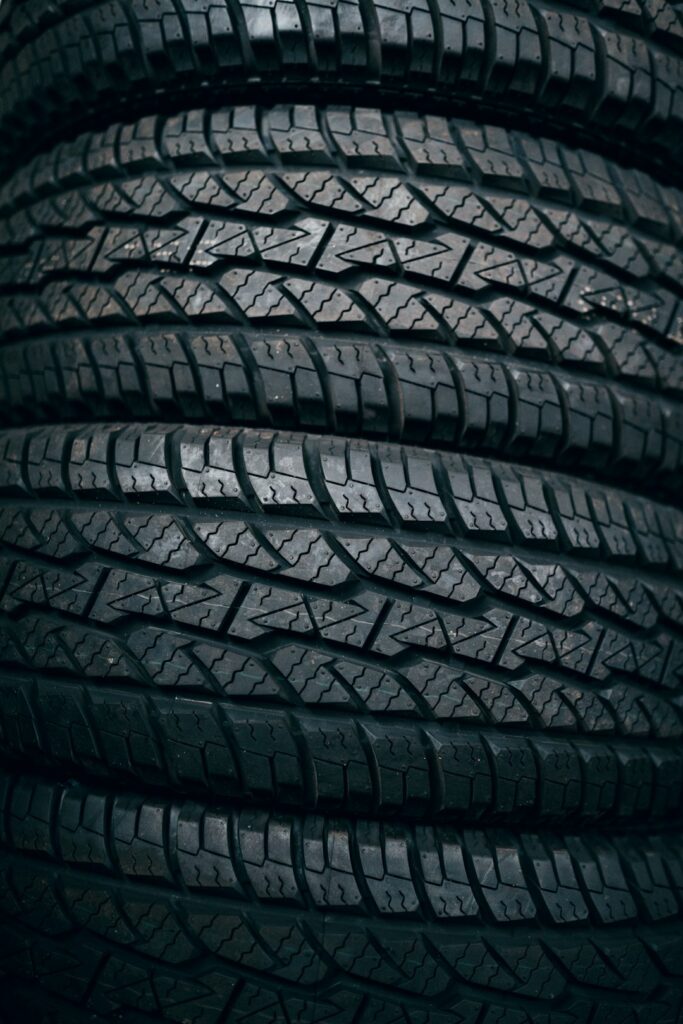
When choosing 18 inch all terrain tyres, start by examining the tread design. A more aggressive pattern suits off-road conditions like loose stones or mud but may wear faster and produce more road noise. Less aggressive treads perform better on highways and last longer but provide less grip off-road. Rubber compounds also matter: softer compounds offer better bite but degrade quicker, while harder compounds extend tyre life at the expense of some traction.
Sidewall construction is often overlooked but critical for durability. Reinforced sidewalls resist punctures from sharp rocks and reduce the risk of tyre failure when driving over rough terrain. It’s wise to check tyre ratings for load capacity and ply strength if you frequently drive off-road or carry heavy loads. Additionally, confirming the tyre’s speed rating matches your usual driving conditions helps avoid problems.
A practical tip is to inspect new tyres for uniform tread depth and watch for defects in the rubber surface before fitting them. Also, balancing and correct wheel alignment prevent uneven wear and improve handling, which is especially important with all-terrain tyres that have chunkier tread blocks. Regularly rotating tyres every 8,000 to 10,000 kilometres helps maintain even wear patterns and extends tyre lifespan.
For those interested in exploring options tailored to specific needs, consider visiting 18 inch all terrain tyres. This resource offers a variety of models designed to suit different vehicles and driving conditions.
If you want advice on vehicle upgrades that combine safety with practical performance, check out off-road vehicle tyre advice. It’s a solid place to start when improving your ride’s capability and reliability.