Lighting plays a vital role in shaping the atmosphere of a church. Whether it’s a centuries-old cathedral or a modern parish hall, the way a space is lit can influence not only its visual appeal but also how people feel and interact within it. From highlighting architectural features to creating a contemplative ambience, church lighting is both a functional necessity and an artistic decision.
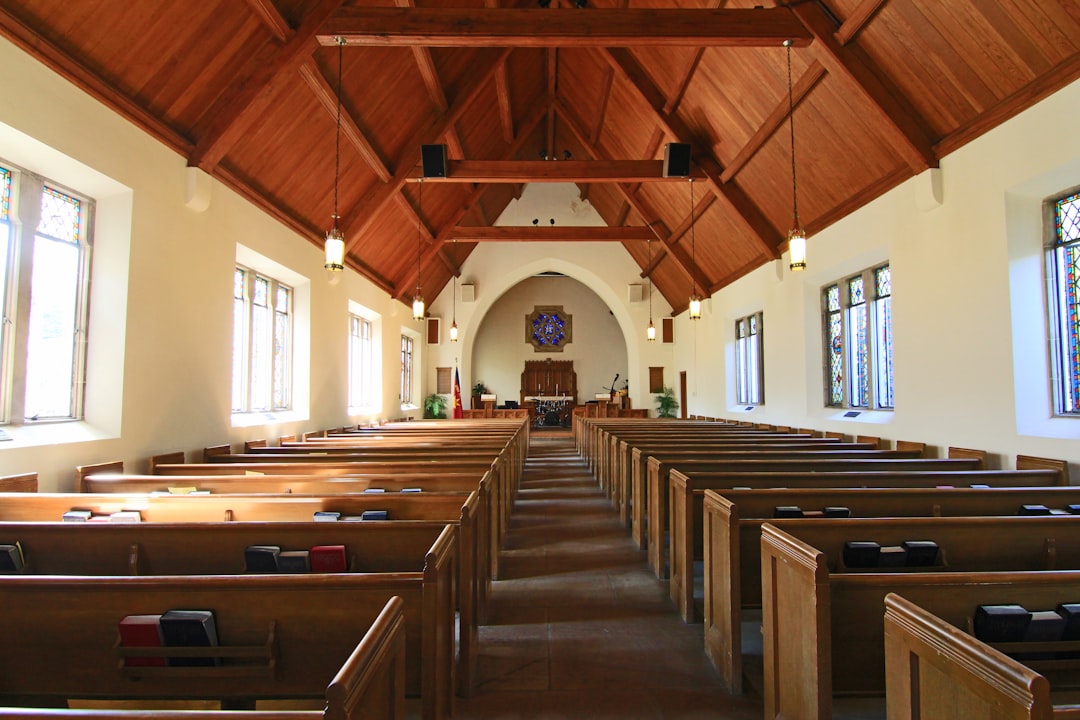
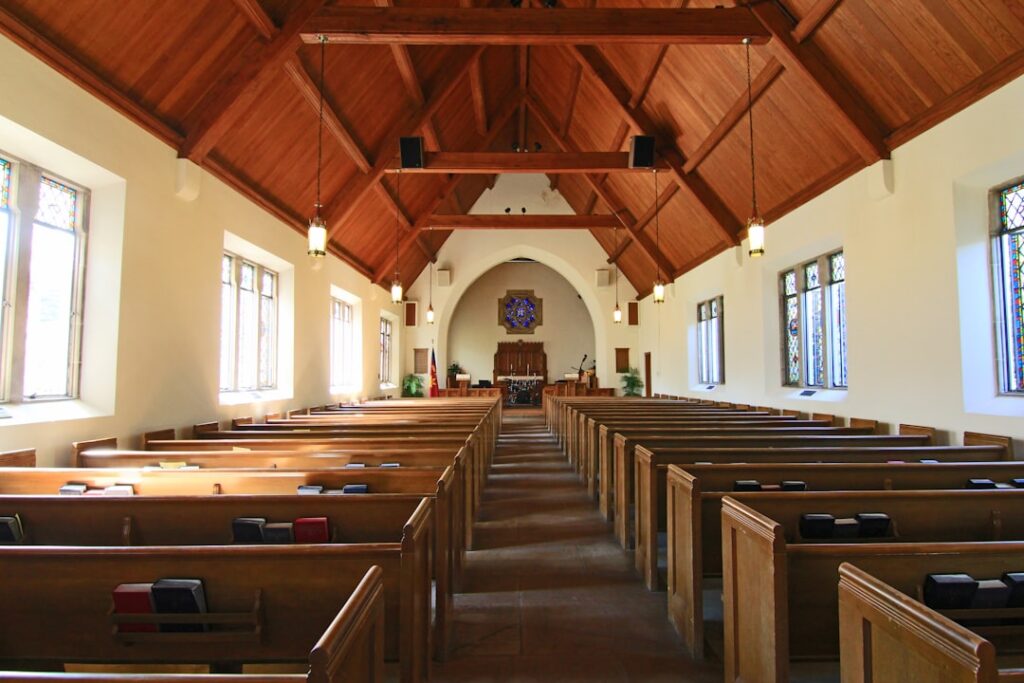
Traditional churches often rely on natural light filtering through stained glass windows during the day, but this alone is rarely sufficient. When services take place in the evening or during darker months, artificial lighting becomes essential. The challenge lies in enhancing visibility without disrupting the historic or spiritual character of the space. This is where thoughtful church lighting design proves invaluable.
In many cases, lighting design must work around the constraints of listed buildings, where structural changes are limited. Discreet fittings, sympathetic to the architecture, are often required. These not only provide illumination but also preserve the integrity of the building. Modern lighting solutions can be tailored to suit these needs, offering flexibility through dimming controls and programmable settings that adapt to different services or events.
Another key consideration is energy efficiency. Churches, especially larger ones, can be expensive to heat and light. Choosing LED lighting and smart systems helps reduce long-term costs and environmental impact. Beyond practicality, lighting can also enhance the spiritual experience. Subtle changes in lighting tone and intensity can guide congregants through different moments of a service, from quiet reflection to joyful celebration.
It’s also worth noting how lighting affects the perception of space. A well-lit altar draws attention to the focal point of worship, while softer lighting in pew areas can create a sense of calm and intimacy. Additionally, accent lighting can be used to highlight artworks, statues or architectural details, making the church more inviting for visitors and parishioners alike.
For churches looking to update or install new lighting, careful planning is essential. Consultation with specialists who understand the unique needs of sacred spaces can ensure that the final result is both beautiful and practical. This includes assessing the current infrastructure, understanding the liturgical requirements, and choosing the right fixtures for both aesthetics and performance. More information on lighting solutions for churches can be found at lighting for places of worship.
Ultimately, the goal of church lighting is to support the spiritual mission of the building. By creating an atmosphere that fosters contemplation, celebration and community, the right lighting can deepen the experience for all who enter. Whether through subtle uplighting of vaulted ceilings or carefully focused spots on key features, lighting can bring a space to life in subtle yet powerful ways.