Walk into a café that feels just right. The lighting sets a warm tone, the furniture invites you to stay longer, and the layout encourages conversation. That’s the goal in hospitality design: creating spaces that make people want to come back. But plenty of venues miss this mark. One restaurant tried to chase trendy looks and ended up with cramped tables and awkward walkways. Customers noticed, and so did the bottom line.
Space optimization is often overlooked but essential. Every inch of the floor plan must have a purpose without feeling crowded. Mapping how guests move helps avoid bottlenecks and ensures waitstaff can work efficiently. Proper spacing improves comfort but also boosts turnover by reducing delays between courses. It’s a balancing act between capacity and customer experience.
Lack of a clear creative vision can also derail a project. Consider a hotel that aimed to update its style but didn’t stick to one theme. The result was a confusing mix of modern, vintage, and rustic elements that left visitors unsure of what the brand stood for. Defining direction early on, selecting color palettes, furniture styles, and decor, creates cohesion. This consistency helps customers connect emotionally with the space.
Concept development is where ideas meet reality. Many businesses dream big but forget practical limits like budget or local codes. For example, a boutique hotel may want an art deco vibe but needs to adjust for fire safety rules or material availability. Bringing in designers at this stage prevents costly changes later and keeps the vision achievable.
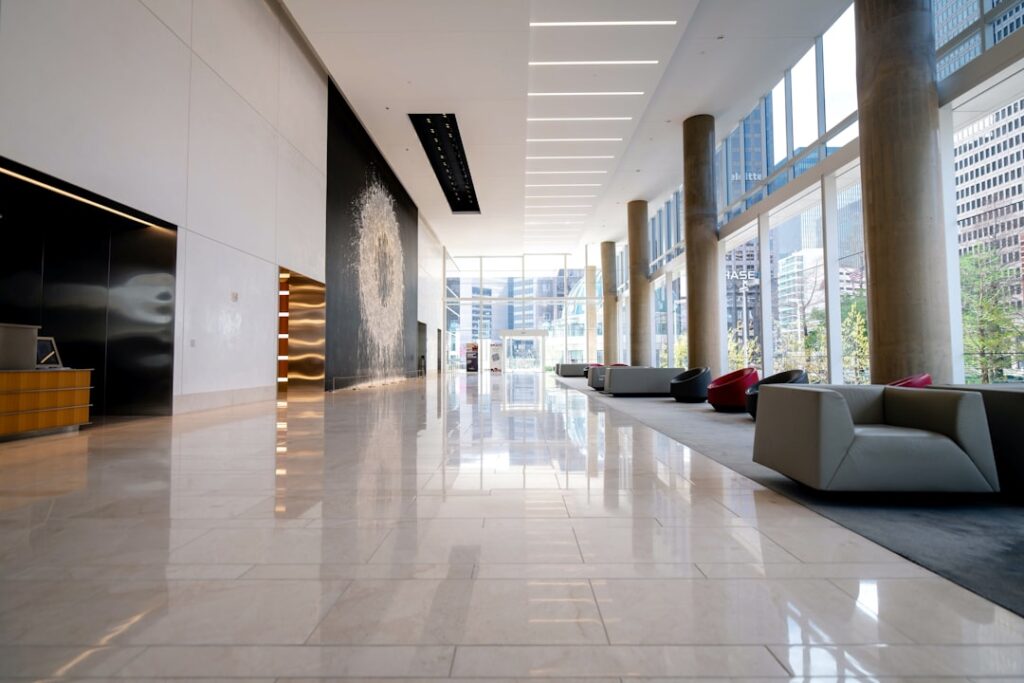
Interior design and styling shape how guests perceive a venue. Good design isn’t just about looks; it’s about function too. Selecting durable fabrics for upholstery or scratch-resistant finishes for tables keeps spaces looking fresh despite heavy use. Lighting should be adjustable to suit different times of day or moods. Even the smallest details, like the height of seating or placement of power outlets, impact comfort and convenience.
Consulting and project management guide owners through decisions beyond design. From negotiating leases to sourcing properties, these experts help avoid pitfalls that could stall or inflate costs. They also coordinate contractors, track timelines, and ensure materials meet standards. A common source of frustration is miscommunication between teams, regular check-ins and clear documentation help keep everyone aligned.
For those ready to elevate their hospitality environments, working with firms specializing in hospitality design and construct brings real benefits. These professionals understand industry norms, local regulations, and current trends, offering solutions tailored to specific needs and markets.
Creating spaces that draw guests back means paying careful attention to layout, style, and materials from start to finish. Engaging knowledgeable partners early reduces surprises and rework. Whether designing a cozy coffee shop or a boutique hotel, choosing the right elements shapes how people experience the space and how successful the business becomes. Consider exploring hospitality interior design advice for guidance on making your vision practical and inviting.