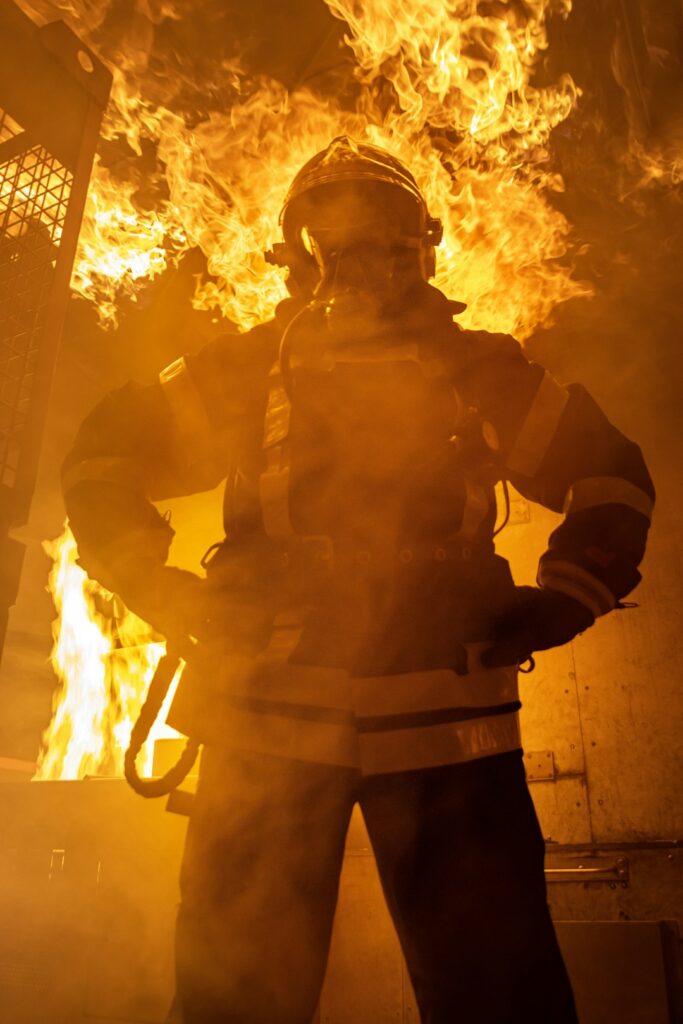
When a fire alarm system is offline or under maintenance, buildings do not become less vulnerable to the threat of fire. In fact, they become more exposed. This is where fire watch guards come into play. These professionals serve as a critical line of defense by providing a physical presence to monitor and respond to fire hazards when traditional systems are unavailable or insufficient.
Fire watch guards are specially trained individuals tasked with patrolling properties to identify and report potential fire risks. Whether the threat arises from construction activities, malfunctioning fire equipment, or temporary shutdowns of alarm systems, their role is to ensure safety standards are upheld. They are particularly essential in environments where a fire could spread quickly or go unnoticed without constant supervision.
In many jurisdictions, local fire marshals or building codes require the presence of fire watch guards during certain high-risk periods. For example, when a fire sprinkler system is offline for repairs, a fire watch may be mandated until it’s fully functional again. During these times, fire watch guards perform regular patrols, keep detailed logs, and are trained to initiate emergency protocols if a fire is detected. Their presence provides reassurance to building managers, tenants, and firefighters alike.
The importance of fire watch guards is especially evident in construction zones. These sites often contain flammable materials, exposed wiring, and heavy machinery. Without a functioning fire suppression system, the risk of fire increases. Fire watch guards closely monitor these environments, often working in shifts to provide 24/7 coverage. Their training typically includes knowledge of evacuation procedures, communication with emergency services, and the use of basic fire suppression tools.
Hiring fire watch guards is not only a matter of compliance but also of proactive safety. Many property owners understand that the cost of a fire can greatly exceed the cost of prevention. These professionals can be deployed in commercial buildings, hospitals, warehouses, and even public events where fire safety is a concern. Their adaptability to different settings makes them a versatile and reliable solution.
While their duties may seem straightforward, effective fire watch guards must possess a keen eye for detail and the ability to stay alert for extended periods. Their logs are often reviewed by fire marshals or safety inspectors, making accuracy and thoroughness key. They also serve as a communication bridge between property managers and emergency responders, ensuring that crucial information is relayed quickly and clearly should a fire occur.
The role of fire watch guards has evolved in recent years. With increasing awareness of workplace safety and stricter regulations, their responsibilities have expanded. Some are now trained in basic first aid and crowd control, providing additional layers of protection in emergencies. Others work closely with safety consultants to assess and mitigate risks before they become critical issues.
For property managers and business owners, understanding when and why to bring in fire watch guards can be vital. Factors such as the duration of system outages, the type of occupancy, and the nature of ongoing activities all influence this decision. When in doubt, consulting with professionals who specialize in safety services can provide clarity and compliance assurance.
Choosing a reliable provider for these services ensures that guards are not only certified but also experienced in various fire watch scenarios. Many companies offer customized plans tailored to the unique needs of each property. These plans often include initial risk assessments, deployment of trained personnel, and ongoing communication with local authorities. For more information, property managers can explore a range of safety solutions by visiting this professional security resource.
Ultimately, fire watch guards play a crucial role in maintaining safety and compliance across a variety of settings. Their presence can mean the difference between a manageable incident and a devastating loss. As fire safety continues to be a priority in both public and private sectors, the demand for qualified fire watch personnel is expected to grow, reinforcing their place as a cornerstone of risk management.