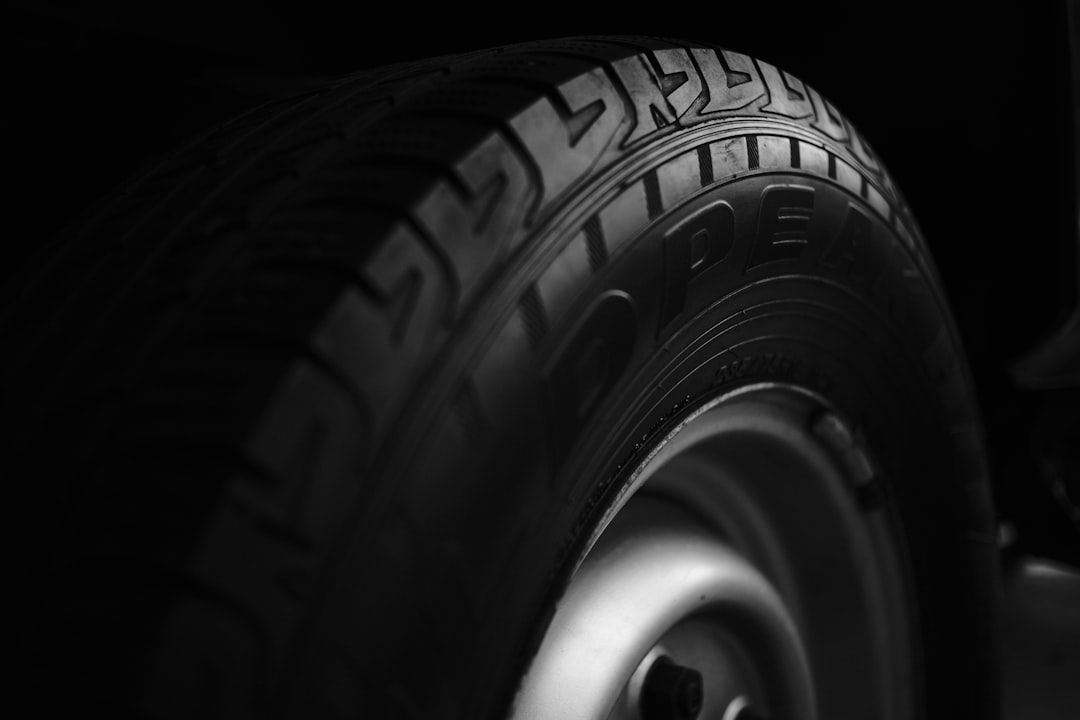
A heavy-duty truck’s tyres are the last thing a driver wants to fail mid-route. Yet, many operators underestimate how important the right tyres are, leading to breakdowns and safety problems. For example, under-inflated tyres are a frequent cause of blowouts. These incidents not only stall deliveries but also rack up repair bills. Spending on quality heavy-duty truck tyres built for specific weights and road conditions can make a noticeable difference in dependability and uptime.
Choosing the right type of tyre matters for both safety and fuel efficiency. Heavy-duty tyres are made to carry heavier loads and provide stronger traction than standard ones. A regional delivery truck fitted with all-terrain tyres will handle wet or uneven roads better, reducing slip risks. Conversely, trucks operating mostly in cities benefit from tyres that enhance steering response without sacrificing toughness. These details matter because mixing tyre types or misjudging conditions often leads to premature wear or accidents.
Tyre pressure is often overlooked but critical. Incorrect inflation causes uneven tread wear, which not only shortens tyre life but also lowers fuel economy. Drivers should check pressures daily, especially when loads vary. It’s common practice to keep a logbook of tyre checks to catch slow leaks early. Rotating tyres regularly is another simple step that evens out tread wear between positions, delaying costly replacements.
Tread depth checks shouldn’t be skipped either. Worn treads reduce grip and increase stopping distances, especially on highways or slick city streets. Fleet managers often schedule inspections every few weeks to spot tyres that need swapping before they turn dangerous. Opting for tyres with deeper treads can improve traction in wet or snowy weather, which is critical in regions with unpredictable climates.
The materials used in heavy-duty tyres affect their resistance to punctures and abrasions. Reinforced sidewalls protect against cuts from construction debris or rough terrain, reducing downtime caused by flats. Some drivers keep a visual checklist for sidewall damage after each trip, catching issues early. Using tougher compounds can increase tyre lifespan by months on busy routes.
Different vehicles require different tyres. Forklift tyres, for example, are not interchangeable with those on trucks or buses because they handle loads and surfaces differently. Fleet managers who don’t match tyre types risk impaired vehicle performance or safety hazards. Consulting with suppliers or technicians about your fleet’s specific needs is a practical way to avoid mismatches.
Seasonal changes affect tyre performance as well. Heat can cause tyres to wear faster, while cold temperatures may make rubber stiffer and less grippy. Many fleets adjust their tyre choices based on weather forecasts, switching to compounds better suited for winter or summer conditions. This practice helps maintain consistent handling and safety year-round.
Good tyre management depends on clear communication and routine maintenance. Drivers should be trained to spot signs of tyre issues like uneven wear or sidewall bulges and report them immediately. Some companies include tyre condition reports as part of daily vehicle checks to build awareness and prevent unexpected failures. This hands-on approach helps keep fleets moving safely and efficiently.seasonal tyre advice for fleets