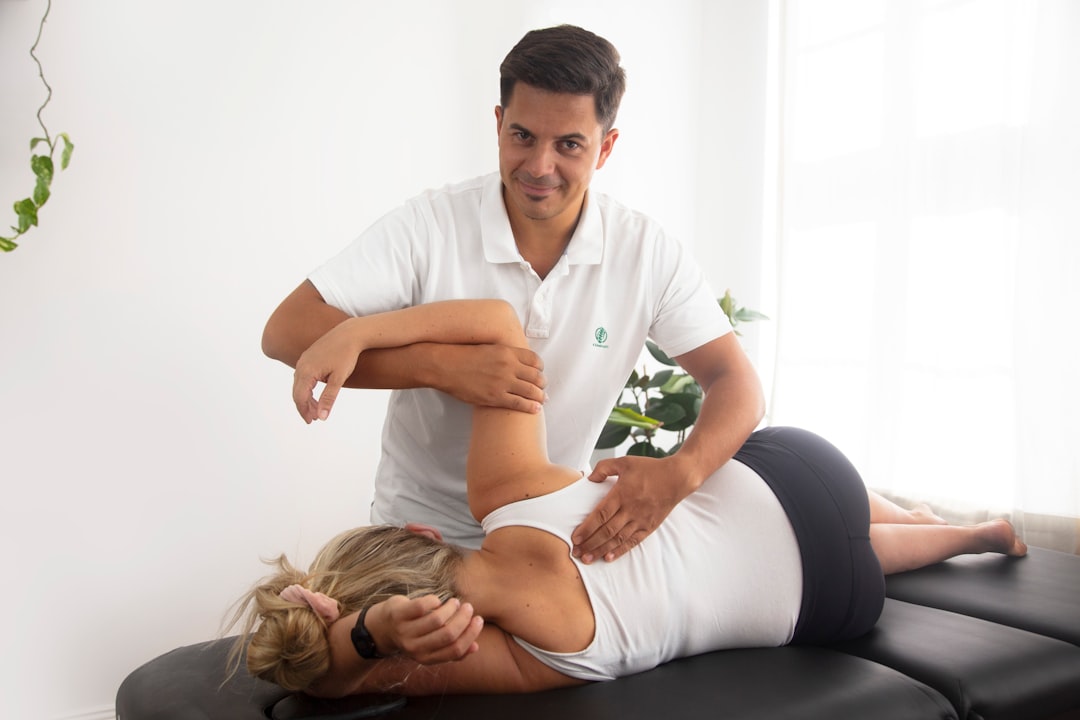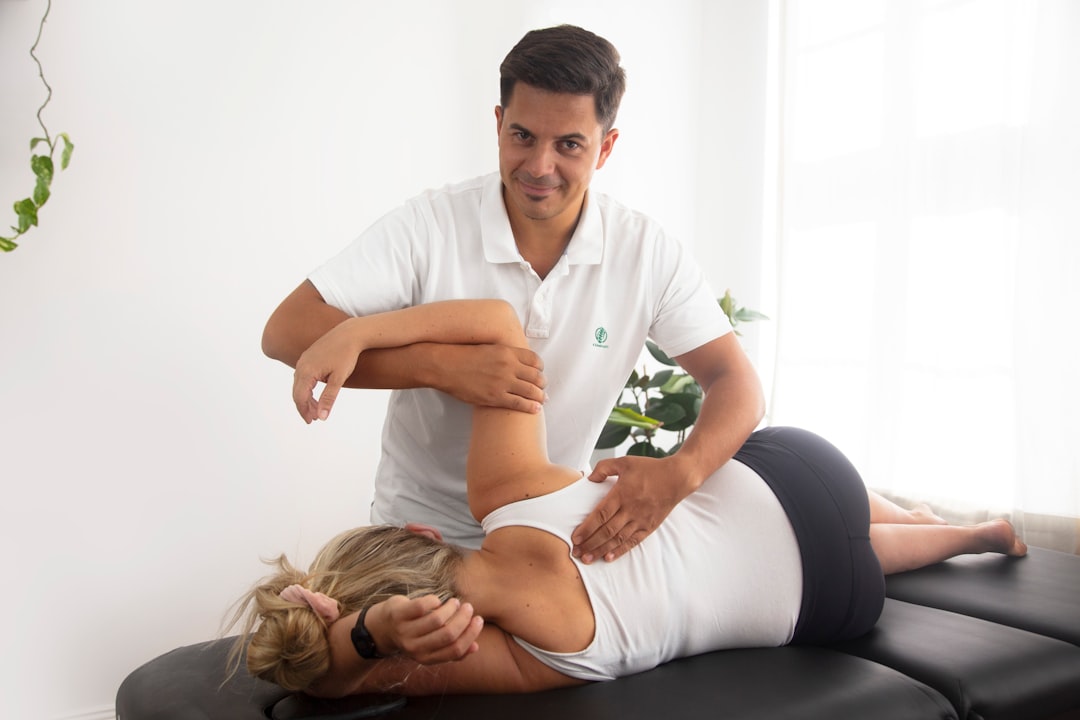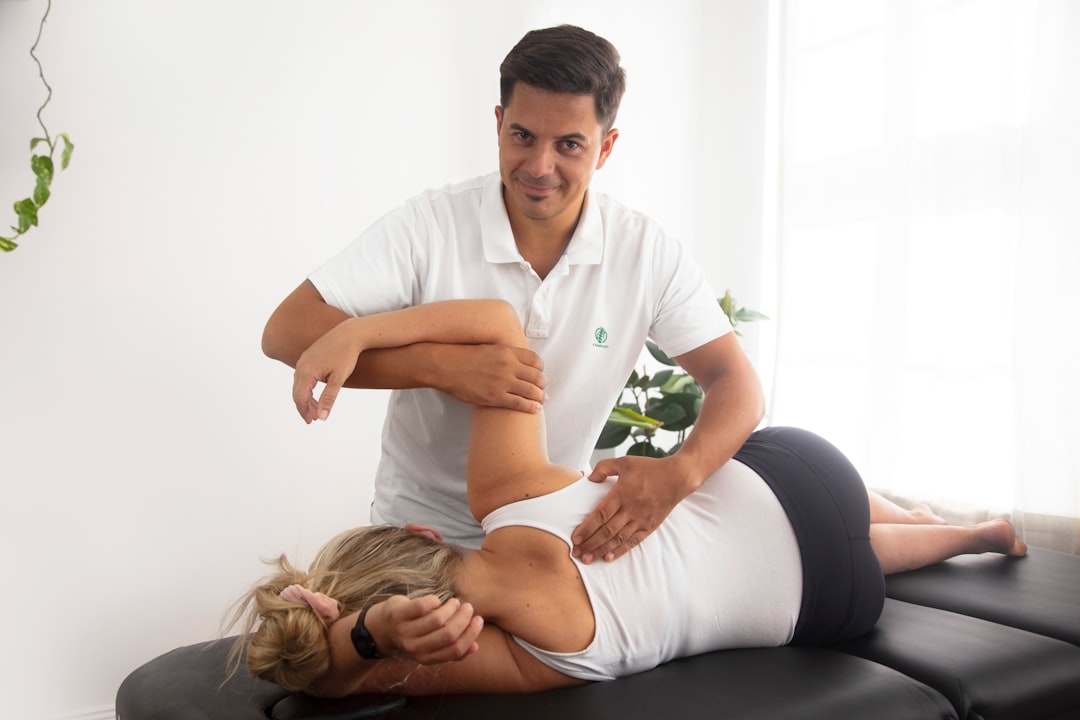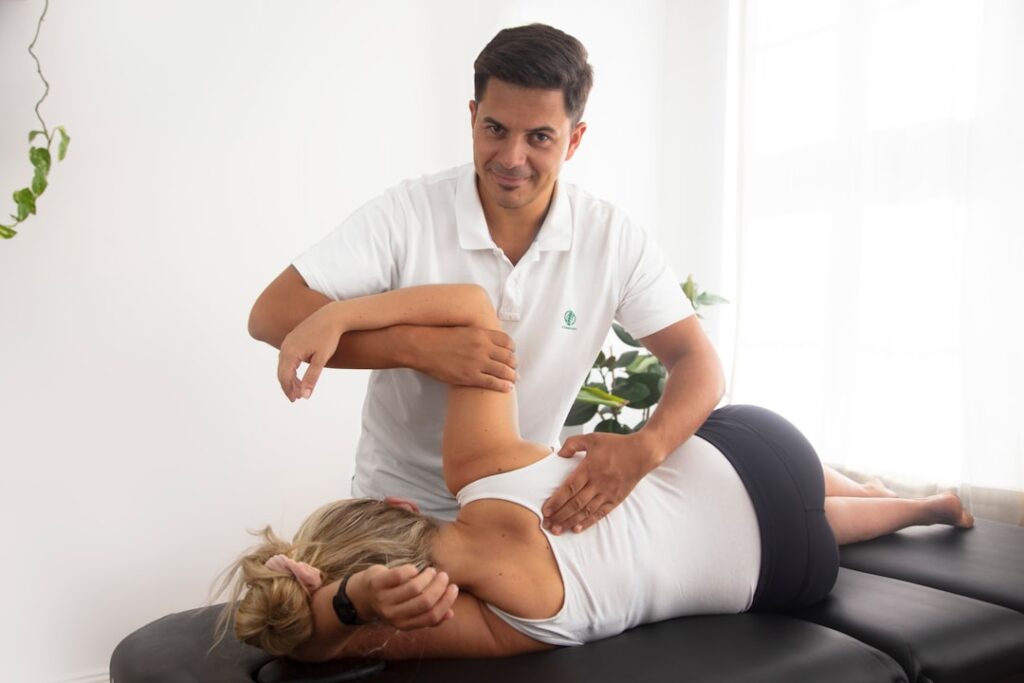
If you’re several months pregnant and starting to feel the strain on your back and hips, antenatal physiotherapy could make a real difference. Pregnancy shifts your center of gravity and loosens ligaments, which often causes discomfort. A physiotherapist trained in prenatal care can design exercises that reduce pain, improve flexibility, and get your body ready for labor. Besides exercises, they’ll teach you how to maintain good posture throughout the day, which often goes unnoticed but is a major factor in easing ongoing aches. Many women underestimate how much simple changes to how they sit or stand can relieve pressure.
Stress and anxiety are common during pregnancy, partly because of hormones and the big lifestyle shifts. Antenatal physiotherapy often includes relaxation and breathing techniques that help manage these feelings. For example, learning diaphragmatic breathing can calm your nervous system. Practicing these techniques regularly can improve sleep quality and lower tension, making daily challenges easier to handle. Your physiotherapist might also guide you through gentle movements that release muscle tightness contributing to stress.
Preparing for recovery after childbirth is another key focus. Pelvic floor exercises are essential for many women but often overlooked before delivery. Strengthening these muscles beforehand can lessen the chance of urinary incontinence and pelvic pain postpartum. Your physiotherapist will show you how to do these exercises correctly, since improper technique can limit their effectiveness. Regular assessment ensures you’re progressing and adjusting exercises as your pregnancy advances.
Every pregnancy is different. A tailored approach is critical because some women have pre-existing conditions like sciatica or diastasis recti that require special attention. A physiotherapist will evaluate your unique situation, including any previous injuries or chronic issues, then develop a plan that suits you. This personal assessment usually involves checking your range of motion and muscle strength. It’s common for therapists to ask about your daily activities to identify habits that might worsen symptoms.
Education on labor positions is often part of antenatal physiotherapy. Certain positions during labor can reduce pain and help the baby descend more easily. Knowing these options early can give you a sense of control when contractions start. Physiotherapists might demonstrate positions like hands-and-knees or side-lying and explain when each might be beneficial. This knowledge helps you communicate preferences to your midwife or doctor during delivery.
If you’re searching for antenatal physiotherapy in Mosman, look for someone who offers assessments, individualized exercise plans, and ongoing advice as your body changes. Services should not only address current discomfort but also prepare you for labor and recovery. Finding a provider who listens carefully to your concerns prevents wasted effort on unsuitable exercises or advice. By choosing antenatal physiotherapy mosman, you invest in a practical approach focused on your specific needs.
Postpartum care often gets neglected despite its importance. Continuing physiotherapy after birth helps address issues like abdominal separation or lingering pelvic pain. Many women find their muscles weaker than expected after delivery, which slows recovery if not addressed. Ongoing sessions can monitor healing and adapt exercises as needed. This support also helps with the physical demands of caring for a newborn, such as reducing back strain from lifting or breastfeeding positions. For extended postpartum care options, consider exploring physical therapy for new mothers that targets long-term wellness.