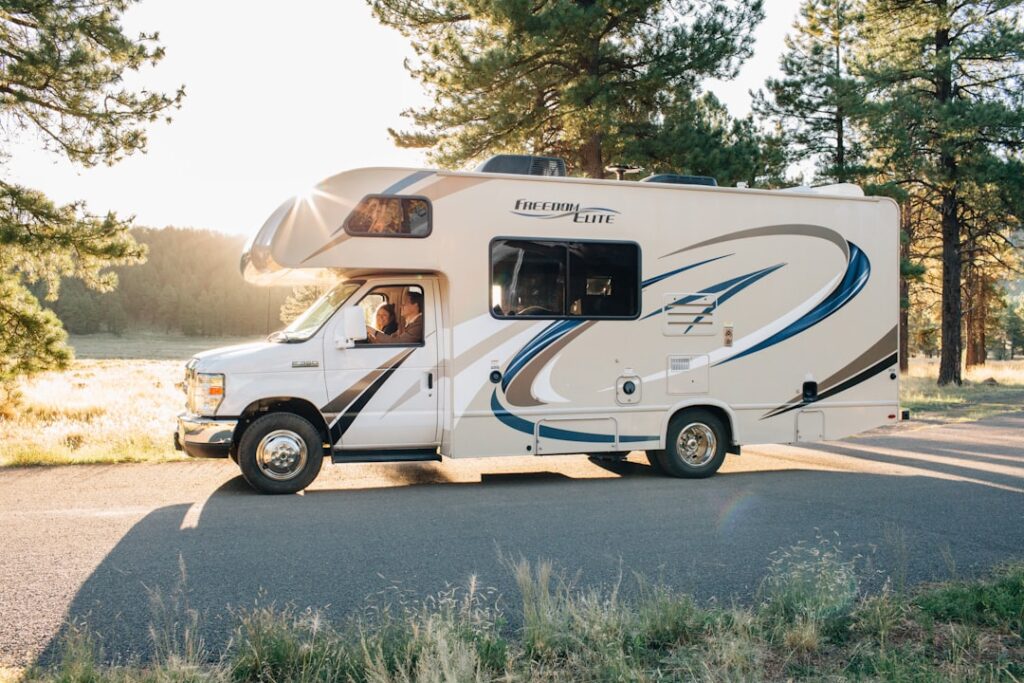
You’re gearing up for a long trip in your RV and notice the roof has some cracks and fading. If left unchecked, these issues can lead to leaks and expensive repairs down the road. Selecting the proper RV roof coating is essential to keep your roof intact and extend its life. A good coating acts as a shield, blocking water and weather damage.
First, identify what type of material your RV roof is made from. Common options include rubber (EPDM), fiberglass, or metal. Each material demands a specific kind of coating that bonds well without causing harm. For example, liquid rubber membranes work well on EPDM roofs because they offer flexibility and resist cracking. Knowing your roof’s material helps you pick a coating that fits its unique demands.
Ease of application matters, especially if you plan to do the job yourself. Some coatings come pre-mixed and ready to roll on with a brush or roller, which saves time and reduces errors. This is helpful because mixing wrong ratios can ruin the product’s effectiveness. Many RV owners keep a small kit handy for quick touch-ups, preventing small cracks from turning into bigger problems.
Coverage is another key point. Check how many square feet one gallon covers to estimate how much you need. Some products cover about 100 square feet per gallon but always check the label as this varies. It’s common for people to buy too little or too much coating due to inaccurate measurements, so using a best rv roof coating calculator is practical for budgeting and avoiding waste.
Consider where you’ll be traveling with your RV. Areas with strong sun exposure require coatings that block UV rays to prevent peeling and fading. Wet climates call for waterproof membranes that stop moisture from seeping in and causing mold. Some coatings are designed to stay flexible through temperature swings, which reduces cracking over time.
Don’t overlook prepping the roof before applying any coating. Cleaning thoroughly to remove dirt, old sealant, and mildew ensures better adhesion. Many RV owners spend an afternoon pressure washing and then letting the surface dry completely before starting. Using a primer or sealant can improve how well the coating sticks and lasts longer.
If you’re unsure which products fit best together or your particular roof type, seek advice from someone experienced in RV maintenance. They might suggest certain primers or complementary sealants that match your coating brand. It’s also useful to explore different coating options online to compare features and prices before buying.
A common mistake is rushing the application or skipping surface prep, which often leads to peeling or bubbling later on. Taking time to read instructions thoroughly and working on a cool, dry day makes a big difference. Many RV owners find that regular inspections during off-seasons help catch issues early, avoiding costly repairs later.
By carefully matching your roof material with the right coating, planning your application method, accounting for coverage needs, considering climate effects, and preparing the surface properly, you’ll protect your RV roof effectively. This approach keeps your RV ready for many miles ahead without worrying about leaks or damage.