
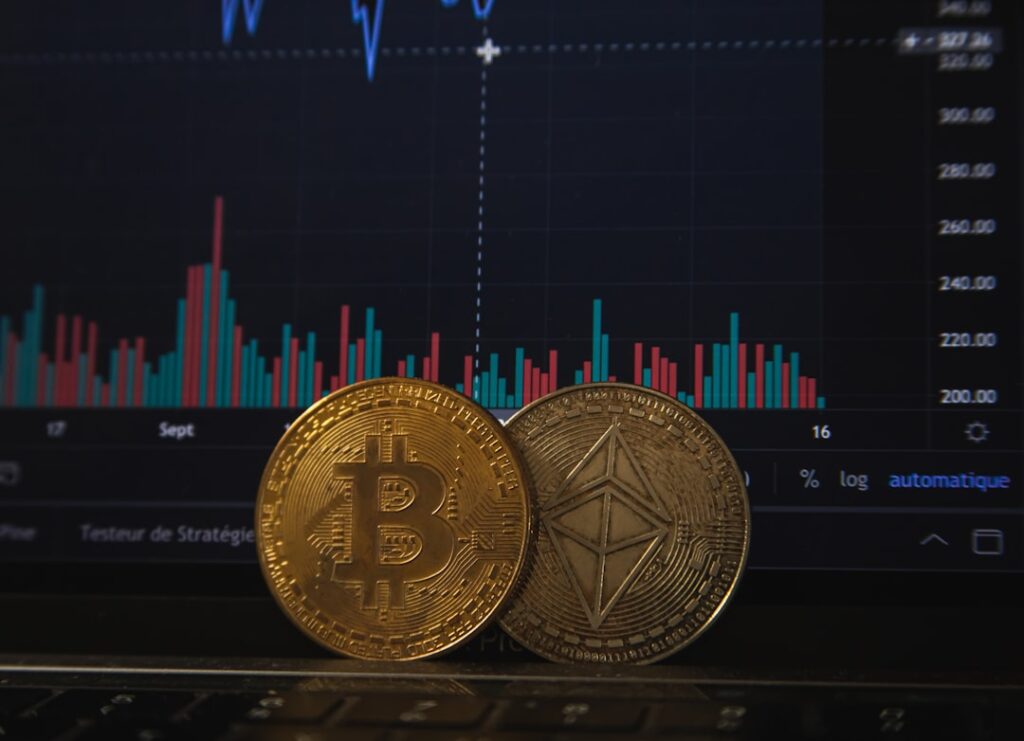
If you’ve ever stared at stock charts, unsure whether to jump in or step back, you’re not alone. Trading can feel overwhelming without solid guidance. Online courses offer a practical way to build the skills needed for trading forex, stocks, commodities, indices, and cryptocurrencies. But not all courses are created equal. Look for those that focus on actionable skills like reading price charts and understanding technical indicators. Price action trading involves interpreting raw price movements without relying heavily on lagging indicators. Technical analysis complements this by using patterns and tools like moving averages or RSI to predict potential price changes. These techniques help traders make informed decisions rather than guesses.
Discipline often separates successful traders from those who struggle. Markets throw curveballs constantly, and emotional reactions can wipe out gains fast. Effective training addresses the mental side of trading too. It teaches how to stick to your plan, control impulses, and handle losses without panic. Many traders find their biggest hurdle isn’t the charts but their own mindset. For example, a common mistake is doubling down on losing trades out of frustration, a habit that often leads to bigger losses. Learning to step back and reassess can save both money and stress.
Connecting with experienced traders accelerates learning. Some online platforms offer mentorship programs where you get direct feedback on your strategies and trades. Being able to ask questions tailored to your own challenges makes a big difference. It’s one thing to study theory; it’s another to hear how a seasoned trader adjusted a strategy after a big market swing. These sessions might also cover practical habits like keeping a trading journal to track decisions and outcomes, a simple tool that many novices overlook but experts swear by.
Practical course features matter too. Some programs allow lifetime access to lessons so you can revisit material as markets evolve or your skills improve. Others include active communities or forums where you can exchange ideas with fellow traders, discuss recent trades, or troubleshoot issues. This ongoing interaction helps prevent the isolation many beginner traders feel when working alone. It’s common for new traders to misinterpret signals or overtrade; having peers to check in with can help catch these early mistakes.
If you’re hesitant to commit financially, look for providers offering free introductory sessions or consultations. Taking a free trader success strategy session can clarify whether their approach fits your needs and experience level without pressure. Many traders find this initial conversation valuable for setting realistic expectations about time commitment, risk management, and what kind of results are feasible. It’s an opportunity to get honest answers before investing time or money.
When choosing a course, consider one designed for all levels, from beginners building basics to advanced traders refining techniques. A well-structured program covers fundamental concepts like order types, stop losses, and risk-reward ratios alongside more advanced topics such as algorithmic trading or managing multiple asset classes. For instance, understanding the difference between market orders and limit orders is foundational but often overlooked by beginners, leading to unexpected trade executions.
Starting your trading journey with solid education changes everything. It’s not about chasing quick profits but developing skills that help you adapt as markets shift. With proper training and mindset work, you’ll avoid common pitfalls like chasing trends blindly or ignoring position sizing rules. Ready to start? You can learn trading online in an environment that encourages growth and confidence.
Trading demands more than just knowledge, it requires practice, patience, and emotional control. Resources are available to help you build these qualities step-by-step. For detailed course options and ongoing support, visit trading education resources in australia. Taking this step could reshape how you approach markets and your financial future.

