Finding water in your basement after heavy rain is frustrating and can cause serious damage if ignored. Dampness brings a musty smell and risks mold growth, which can affect health and property value. Whether you’re protecting a home or a commercial space, preventing water intrusion is critical. Effective waterproofing products help keep moisture out and reduce long-term repair costs.
Liquid rubber membranes offer a flexible way to waterproof many surfaces, from concrete foundations to wooden decks. These coatings create a protective layer that sticks tightly without seams, reducing weak points where water can get through. For example, pools and fountains benefit from this barrier to avoid leaks and prevent water loss. They also stand up well to sun exposure and temperature swings, which means fewer touch-ups over time.
Calculating how much product you need saves money and effort. Some liquid membranes cover about 100 square feet per pint, so a small container can handle moderate jobs. If you’re tackling a DIY project, keeping track of coverage helps avoid running out mid-application or buying excess product that goes to waste. It’s common to misjudge surface preparation time too; cleaning and drying surfaces thoroughly before application is non-negotiable for a lasting seal.
Applying these membranes doesn’t require expensive equipment. A simple brush or roller usually works fine, depending on the texture of the surface. It’s important to remove dirt, oil, or old paint beforehand because any residue can cause the membrane to peel later. Many people skip reading the label closely and end up with uneven coats or bubbles. Following instructions on drying times between layers prevents problems like cracking.
To get precise estimates, online coverage calculators are handy tools. Enter your wall or floor dimensions, and they tell you how much liquid membrane is needed. This kind of planning helps avoid ordering too much or too little material. Comparing products side-by-side using charts can also reveal differences in drying time, UV resistance, and flexibility, helping you pick what fits your project conditions best.
Several websites offer step-by-step guides tailored to specific waterproofing tasks. These resources often include tips on prepping different materials, the best order for applying coats, and advice on maintenance after sealing. One common tip is to check the weather forecast before starting; rain within hours can ruin fresh coatings. Such practical advice prevents costly redo jobs.
Keeping up with new waterproofing products can improve results over time. Advances in formulas mean newer membranes stick better and last longer against environmental wear. Subscribing to trade newsletters or forums focused on building maintenance can alert you to products that might suit your needs better than older options. Sometimes small changes in application method recommended by manufacturers make a big difference in durability.
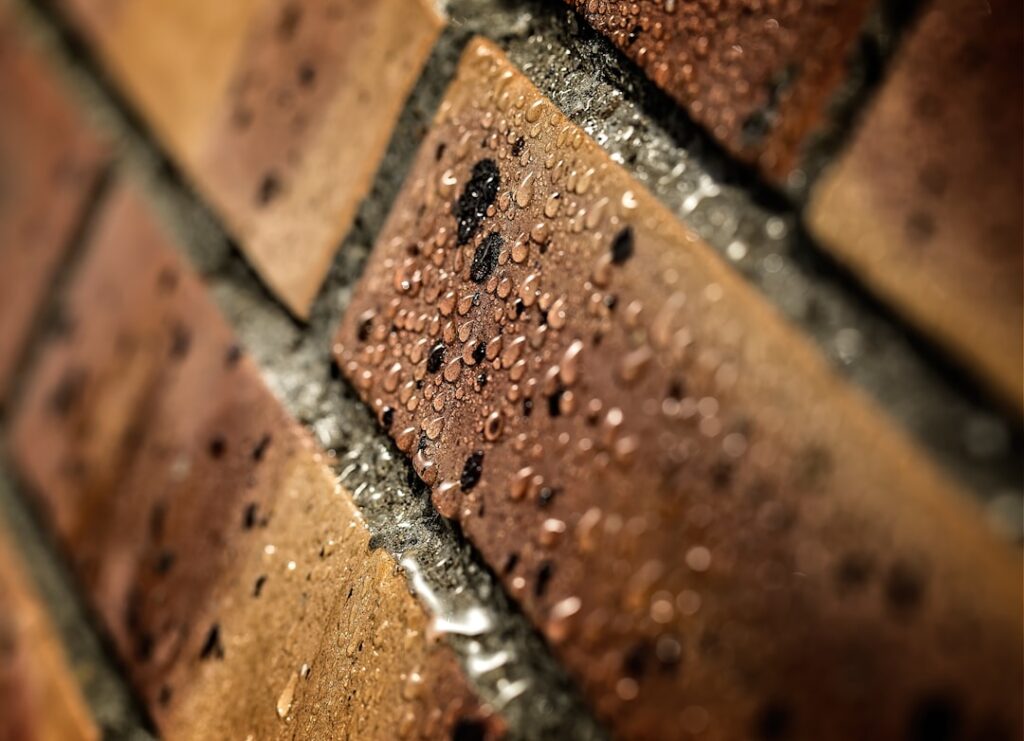
Depending on your surface type, primers or sealants might be necessary before applying the main waterproofing membrane. For porous materials like brick or untreated wood, a primer prevents the liquid rubber from soaking in unevenly, which can cause weak spots. When unsure about product compatibility or quantities, consulting with a professional prevents missteps that lead to wasted materials and time.
For detailed information on reliable liquid waterproofing membranes, visit quality waterproofing. If you want more general advice on moisture control and building protection, check out . Taking these steps early helps avoid major repairs caused by water damage later.