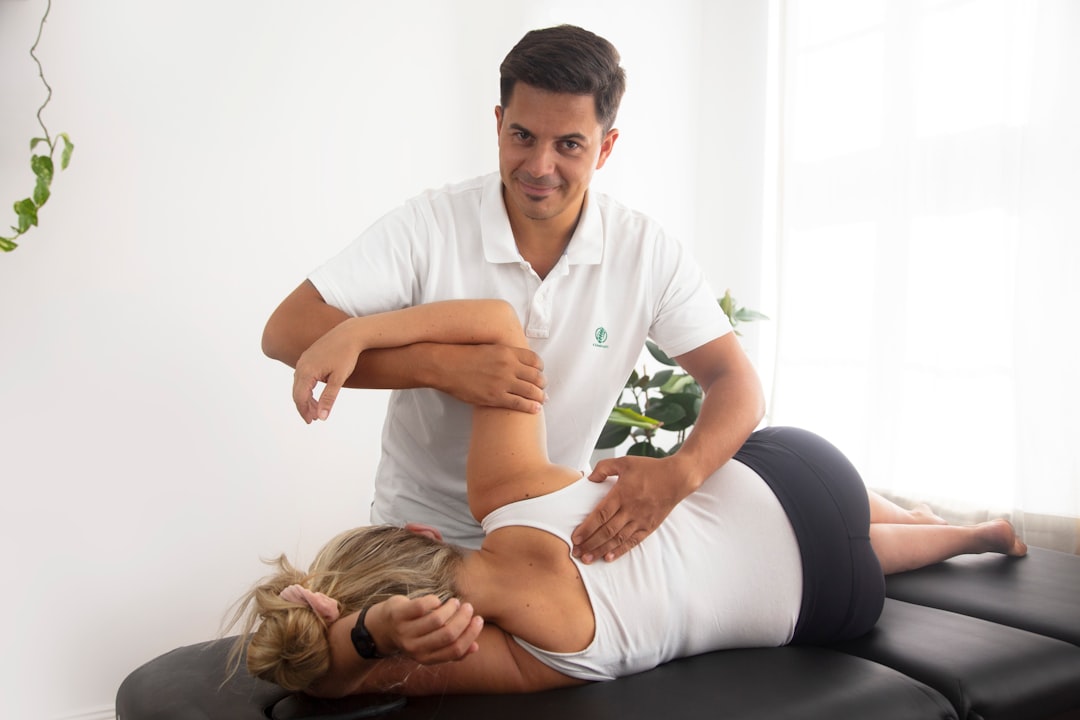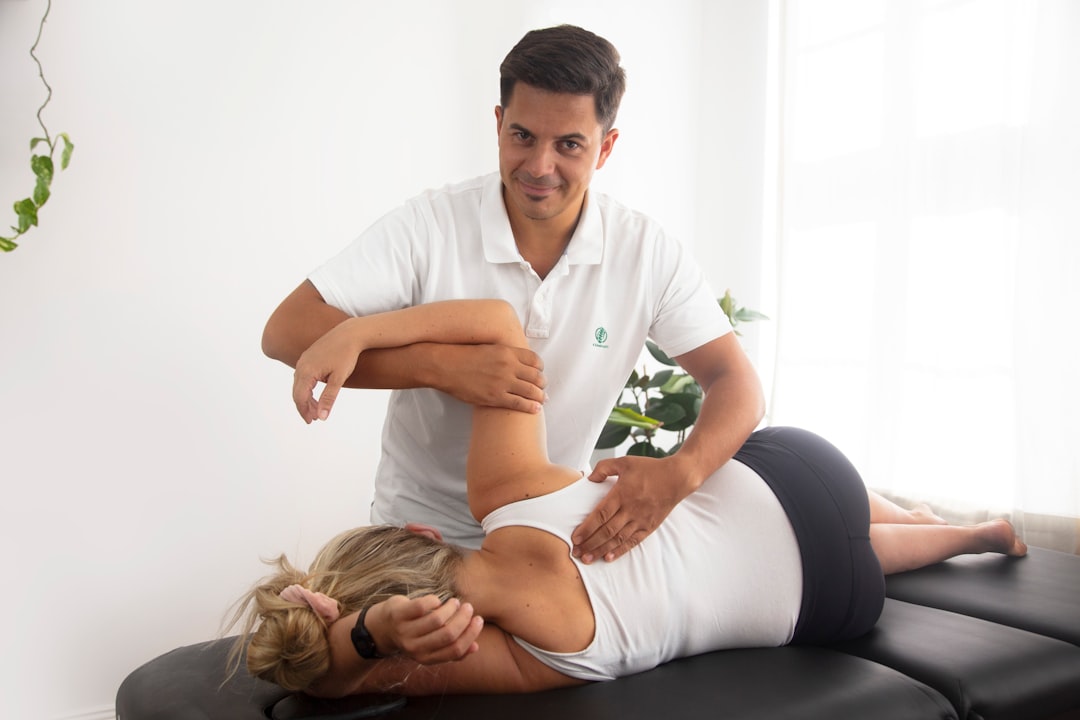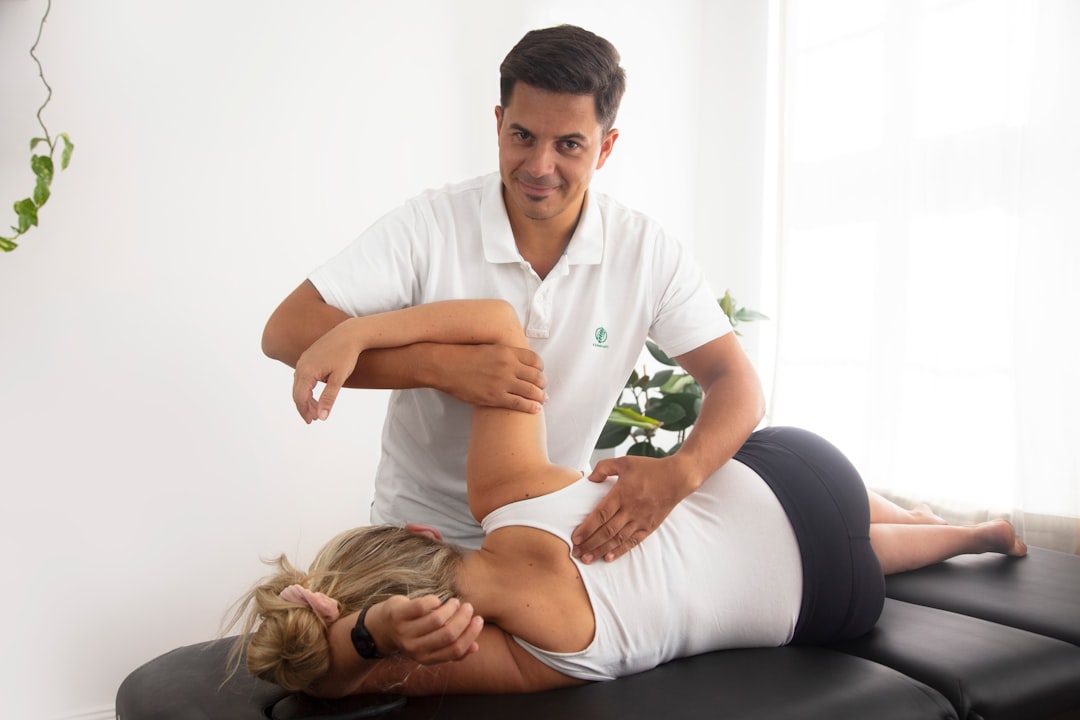
Shoulder injuries are among the most common musculoskeletal issues affecting people of all ages and activity levels. Whether caused by a traumatic incident, repetitive use, or degenerative conditions, shoulder problems can significantly impact daily life, work, and recreational activities. Physiotherapy plays a crucial role in managing these injuries, promoting recovery, and preventing recurrence.
The shoulder is a complex joint made up of bones, muscles, tendons, and ligaments that work together to provide a wide range of motion. Because of its mobility, it is particularly susceptible to injuries such as rotator cuff tears, dislocations, bursitis, and frozen shoulder. Each condition presents unique challenges and requires a tailored treatment approach. An early and accurate diagnosis is essential to developing an effective rehabilitation plan.
One of the core objectives of physiotherapy in treating shoulder injuries is to reduce pain and inflammation. Initially, this might involve rest, ice therapy, and manual techniques to alleviate discomfort. As inflammation subsides, the focus shifts to restoring strength, flexibility, and function. Physiotherapists use a variety of tools, including therapeutic exercises, joint mobilisation, dry needling, and postural re-education, to support these goals.
When addressing a rotator cuff injury, for instance, targeted strengthening exercises are vital. These muscles stabilise the shoulder and allow for smooth movement. A physiotherapist will guide patients through specific routines that gradually build muscle endurance without overloading the injured tissues. This progressive approach ensures safe recovery while preventing further damage. For those recovering from shoulder surgery, physiotherapy becomes even more critical to regain range of motion and avoid long-term stiffness.
In cases of frozen shoulder, also known as adhesive capsulitis, treatment can extend over several months. The condition is characterised by stiffness and pain that restrict shoulder movement. A physiotherapy plan will likely include stretching exercises, manual therapy, and modalities such as ultrasound or heat to improve mobility. Patience and consistent effort are essential, as progress can be slow but steady with the right care.
For individuals experiencing shoulder pain due to poor posture or repetitive strain, education becomes a key part of the physiotherapy process. Learning proper ergonomics, movement patterns, and body mechanics can significantly reduce stress on the shoulder joint. In many cases, making simple adjustments to daily habits can prevent the recurrence of symptoms. This is particularly relevant for those who work at desks or perform overhead activities regularly.
Engaging in physio for shoulder injury not only addresses the current issue but also builds resilience. Strengthening surrounding muscles such as the upper back and core contributes to overall shoulder stability. This holistic approach ensures better long-term outcomes and helps individuals return to their desired levels of activity, whether that means lifting weights, swimming, or simply reaching overhead without pain.
As with any treatment plan, consistency and commitment are vital. Physiotherapy is not a quick fix but a process that relies on active participation from the patient. Regular sessions combined with prescribed home exercises lead to the most effective and lasting results. Communication with the physiotherapist ensures that the program evolves according to progress and changing needs.
Finding a trusted provider who specialises in musculoskeletal rehabilitation can make a significant difference. Comprehensive assessment, personalised treatment, and ongoing support form the foundation of successful recovery. For those seeking professional guidance, expert physiotherapy services in Western Australia are available to help navigate the journey from injury to full function.
Whether dealing with a minor strain or a complex post-operative recovery, physiotherapy remains a cornerstone in the management of shoulder injuries. By addressing both the symptoms and underlying causes, it empowers individuals to regain control of their movement and quality of life.