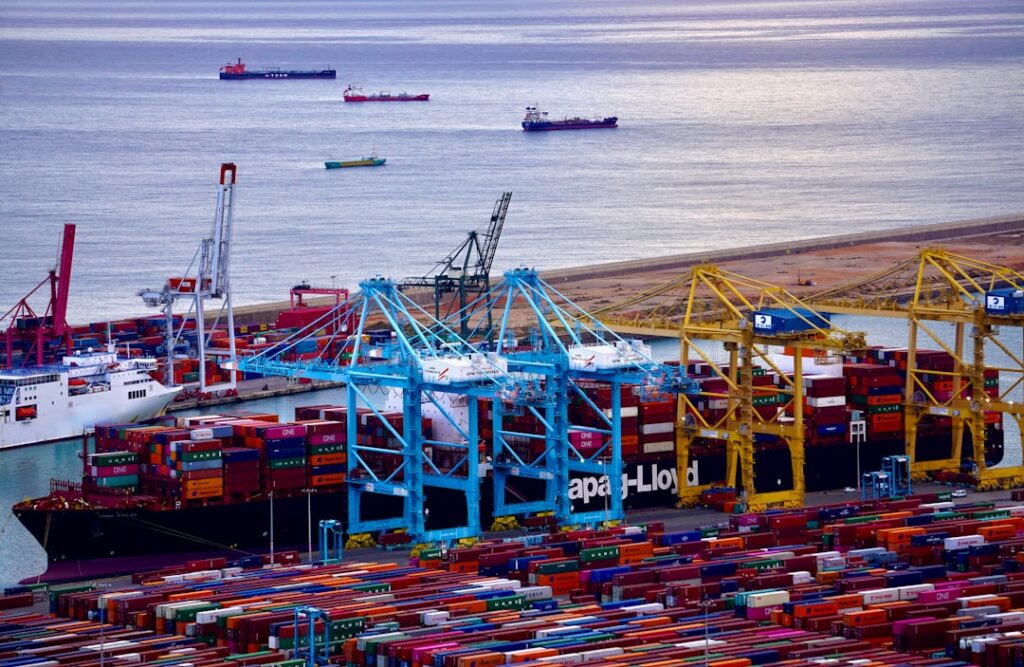
Coffee seaports are busy places where the trade of green coffee beans takes center stage. Importers and exporters working here deal with a constant flow of shipments, each requiring careful attention to logistics and quality control. If you run a coffee import business, you quickly learn that knowing shipping rules and customs paperwork can save you from costly delays. Handling the documentation properly, such as bills of lading and phytosanitary certificates, often makes the difference between smooth clearance and frustrating hold-ups.
Coffee origins vary widely, and so do their grading systems. For example, Colombian beans often carry designations like Supremo or Excelso, which affect price and buyer expectations. Ethiopian coffees might be graded by bean size or cup quality scores. A skilled importer knows how to interpret these grades and match them with customer preferences. It’s common to double-check samples and keep detailed records of lot numbers to avoid mixing different qualities during storage.
Once shipments reach the port, they must pass inspection to meet local safety standards. This usually means screening for pests, mold, or foreign matter that could ruin the batch. Inspectors will often require fumigation or re-packaging if problems come up. Business owners learn to coordinate with inspection agents ahead of time and maintain clear communication to prevent surprises. Many keep a logbook tracking inspection dates and outcomes to help manage compliance over time.
Transport logistics are critical after clearance. Beans need to move swiftly from the dock to warehouses or roasting facilities without exposure to moisture or contamination. Most businesses combine sea freight with trucking to optimize cost and timing. Planning routes carefully helps avoid bottlenecks during harvest seasons when ports get congested. It’s common practice to schedule regular check-ins with freight forwarders and drivers to track shipment progress and adjust plans if needed.
Storage conditions directly affect bean quality. Green coffee is sensitive to humidity and temperature fluctuations; improper storage can lead to loss of aroma and flavor. Many warehouses invest in climate-controlled units with humidity levels kept between 60 and 65 percent. Rotating stock regularly also prevents older beans from degrading. Some operators use moisture meters and visual inspections to spot early signs of spoilage before products are moved to roasting.
Coffee seaports sometimes host events like tastings or educational workshops to connect producers, importers, and consumers. These gatherings provide a chance to highlight unique regional coffees and share brewing tips. They also offer networking opportunities that can lead to new partnerships or bulk orders. Preparing these events requires attention to detail, such as arranging sample logistics and ensuring hygienic setups for public tastings.
Industry conferences offer valuable moments for business owners to exchange knowledge on trends and regulations affecting coffee imports. Topics might include updates on sustainability certifications, advances in pest control methods, or changes in customs policies. Staying engaged with these forums helps businesses anticipate challenges before they arise. It’s advisable to bring along documentation like import licenses and previous shipment records for reference during discussions.
Successful coffee seaport operations demand practical skills in managing shipments, ensuring regulatory compliance, and fostering customer connections. Keeping a tight schedule on paperwork, maintaining proper storage environments, and actively participating in community events all contribute to steady growth. For detailed information about running a coffee seaport business effectively, industry resources can be a solid starting point.
As demand for specialty coffee grows, those who master these elements stand a good chance of expanding their market presence while supporting local economies. For insights on cross-border trade practices relevant to coffee imports, check out international shipping advice.