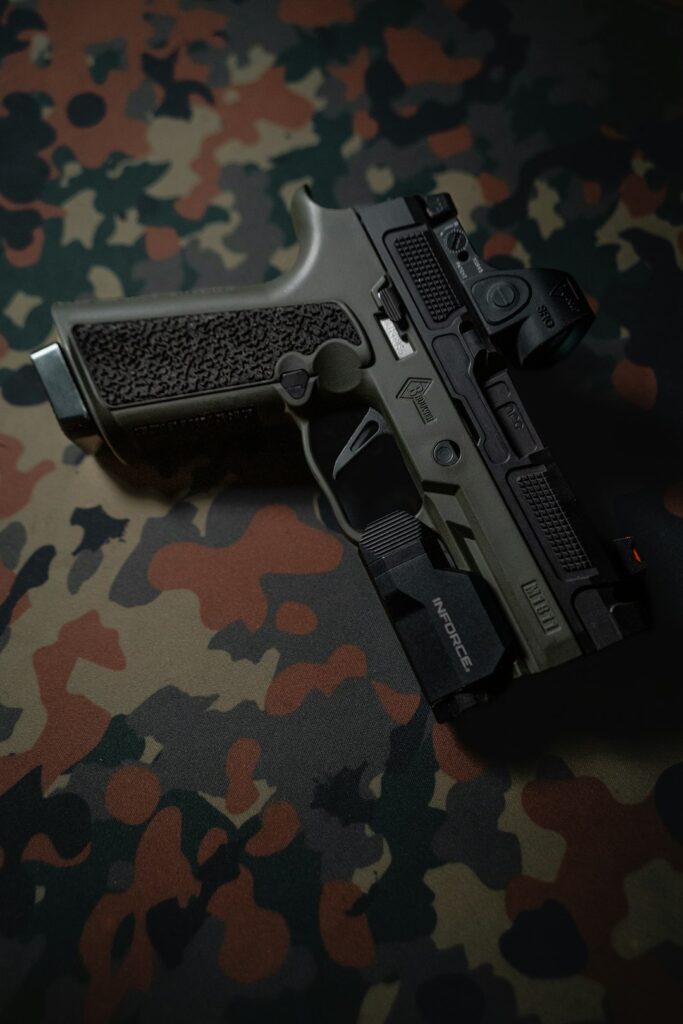
When you’re at the range lining up shots, traditional iron sights can slow you down. They demand precise alignment and often force you to switch focus between the front sight and your target. Red dot sights eliminate that hassle by projecting a bright aiming point directly onto your field of view. This lets you keep both eyes open and concentrate on the target, speeding up your shot process. But switching from iron sights to red dots isn’t always straightforward. Many struggle with mounting their sight securely or adjusting it properly for accuracy.
A frequent error is skipping the zeroing step. Just attaching the sight isn’t enough. Every gun shoots differently, so if you don’t calibrate the dot to where your rounds actually hit, you’ll waste ammo and get frustrated misses. Start by firing small groups at known distances, then tweak elevation and windage until your point of aim and impact match. Taking notes on your adjustments can save time when moving between different distances.
Battery life is another often overlooked concern. Some shooters ignore battery indicators and find themselves with a dead dot right when it matters most. Make it a habit to check battery levels before each session and carry spare batteries that are compatible and easy to swap out. Models with quick-change battery compartments reduce downtime and keep your sight ready for action.
Consider the RX-795, which features tap-to-activate controls instead of fiddly buttons. This design lets you adjust brightness or turn the sight on and off with simple taps, even under stress. Its IntelliDOT system adapts reticle brightness to ambient light, helping maintain visibility without manual adjustments. Spending time practicing these controls in calm conditions builds muscle memory so you’re not fumbling during critical moments.
The debate between red dots and iron sights continues among shooters. Iron sights offer reliability and don’t rely on batteries, but they slow target acquisition, especially in low light or under pressure. Red dots speed things up by keeping your focus on the target with both eyes open, which is vital for competitive shooting or defense scenarios where fractions of a second count.
Maintaining your red dot sight is simple but often neglected. Clean the lens frequently using lens-safe cloths to avoid scratches and ensure a clear picture. Check mounting screws regularly; vibrations from shooting can loosen them over time, causing misalignment. Also, watch for fogging inside the lens housing, if it happens, verify seals or consider anti-fog treatments. These small steps prevent annoying issues that interrupt your session.
For anyone aiming to upgrade their setup, a pistol red dot sight offers tangible benefits over iron sights. Whether you’re training for competition or personal defense, understanding how to mount, zero, power, and maintain these sights can make a real difference in your performance and confidence.
Some shooters overlook the value of keeping a shooting log. Recording your zero settings, battery changes, and any adjustments after each trip helps track what works and what doesn’t. It’s a simple habit that prevents guesswork next time you head out.
Also, don’t underestimate environmental factors like lighting and weather. Red dots perform differently in bright sunlight compared to dusk or indoors. Learning how your sight reacts in various conditions lets you adapt quickly rather than getting caught off guard. For more details on selecting and handling pistol optics, check out pistol optics advice.