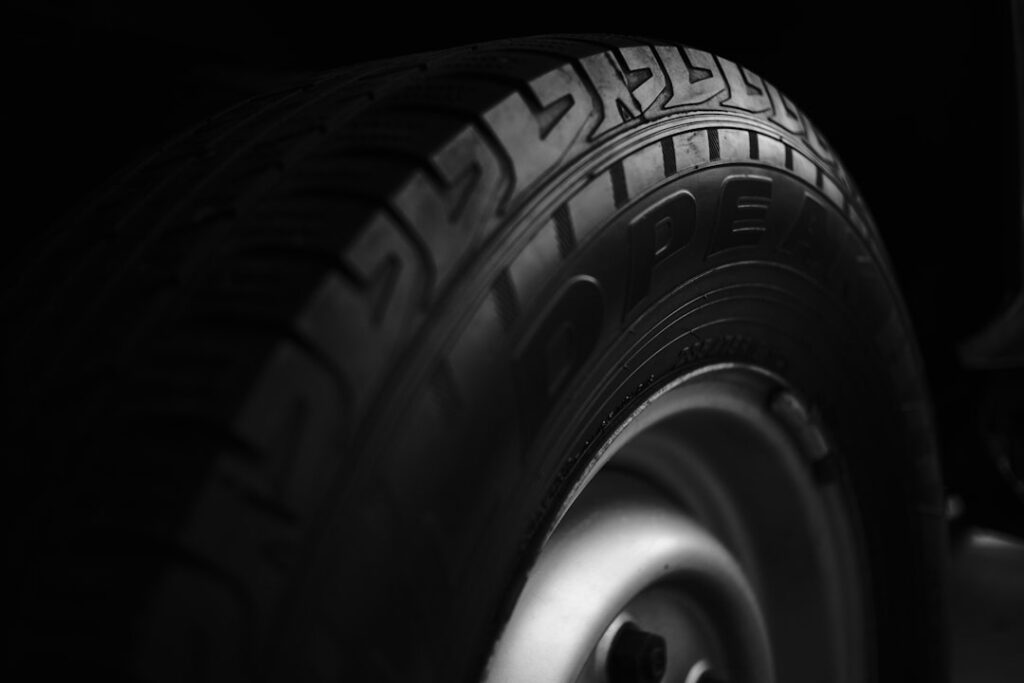
Running a logistics business means your light trucks are the backbone of meeting delivery deadlines. Yet, you’ll notice some trucks wear out tyres faster than others, even on similar routes. The difference often comes down to the type of tyres fitted. Picking the right light truck tyres affects how your vehicles perform, saves fuel, and keeps drivers safer.
Light truck tyres aren’t just beefed-up versions of car tyres. They’re made to carry heavier loads without faltering. Reinforced sidewalls and specific tread patterns help maintain grip on city streets or rougher terrain. For example, a courier van navigating tight urban roads benefits from tyres that improve handling and grip in wet conditions. Meanwhile, trucks covering long highway miles need tyres designed to reduce rolling resistance and boost fuel economy.
A common mistake is assuming all tyres can handle the same weight. Light truck tyres are built to support much heavier loads safely. Ignoring this can lead to tyre blowouts or poor control, especially when hauling bulky cargo. Checking the tyre’s load index is necessary; it tells you the maximum weight the tyre can hold. Fleet managers often keep a simple log of load ratings to avoid mismatches during vehicle servicing.
Tread design also matters. Different patterns serve different functions. An all-terrain tyre has deep grooves and rugged blocks for off-road grip, while highway tyres have tighter treads to cut down road noise and improve mileage. Matching the tread to your truck’s main use extends tyre life and prevents unnecessary replacements. Drivers often report better stability when using tyres suited for their typical routes.
How a tyre is built impacts its durability and ride quality too. Most light truck tyres use radial construction, which flexes better and dissipates heat efficiently compared to older bias-ply types. This makes rides smoother and improves handling, especially on fast roads or sharp turns. Investing in well-constructed tyres usually means fewer breakdowns and a longer replacement cycle, saving money over time.
Imagine a transport firm struggling with frequent delivery delays caused by tyre failures. Switching to quality light truck tyres tailored to their fleet’s needs could reduce those issues noticeably. Better tyre performance leads to more reliable schedules and happier customers, which makes a difference in tight markets.
Regular tyre care is often overlooked but vital. Under-inflated tyres wear unevenly and hike fuel costs; over-inflated ones lose traction and ride harshly. Smart fleet operators schedule weekly pressure checks and visual inspections, catching problems before they escalate. Drivers also get trained to spot signs like cracking or bulging sidewalls.
Understanding what makes a good light truck tyre helps business owners get the most out of their vehicles. From picking the correct tread to keeping up maintenance, every choice counts towards efficiency and safety on the road. For those exploring options for their trucks, detailed information is available through resources like commercial vehicle tyre options.