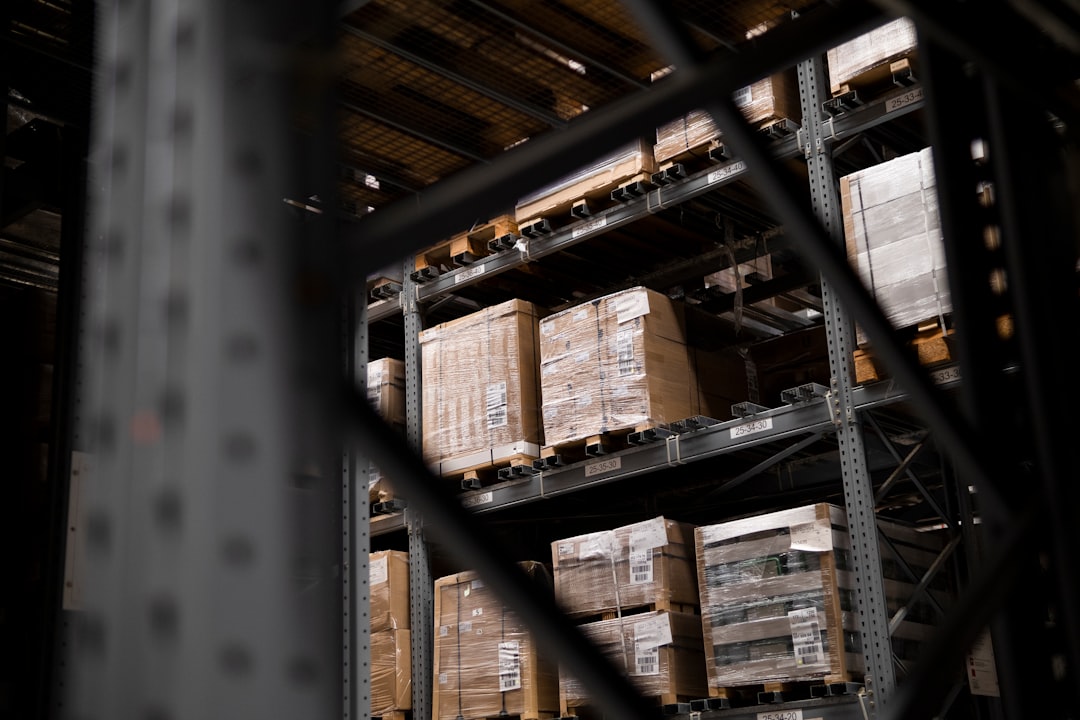

Manufacturing floors demand speed and precision. A factory producing thousands of units daily can’t afford delays caused by slow or faulty scanning equipment. High-performance datamatrix readers that decipher codes within milliseconds reduce stoppages on assembly lines. This kind of efficiency allows supervisors to track parts in real time and maintain steady throughput. Workers also appreciate scanners that are rugged enough to withstand drops or exposure to dust and grease, common in industrial settings.
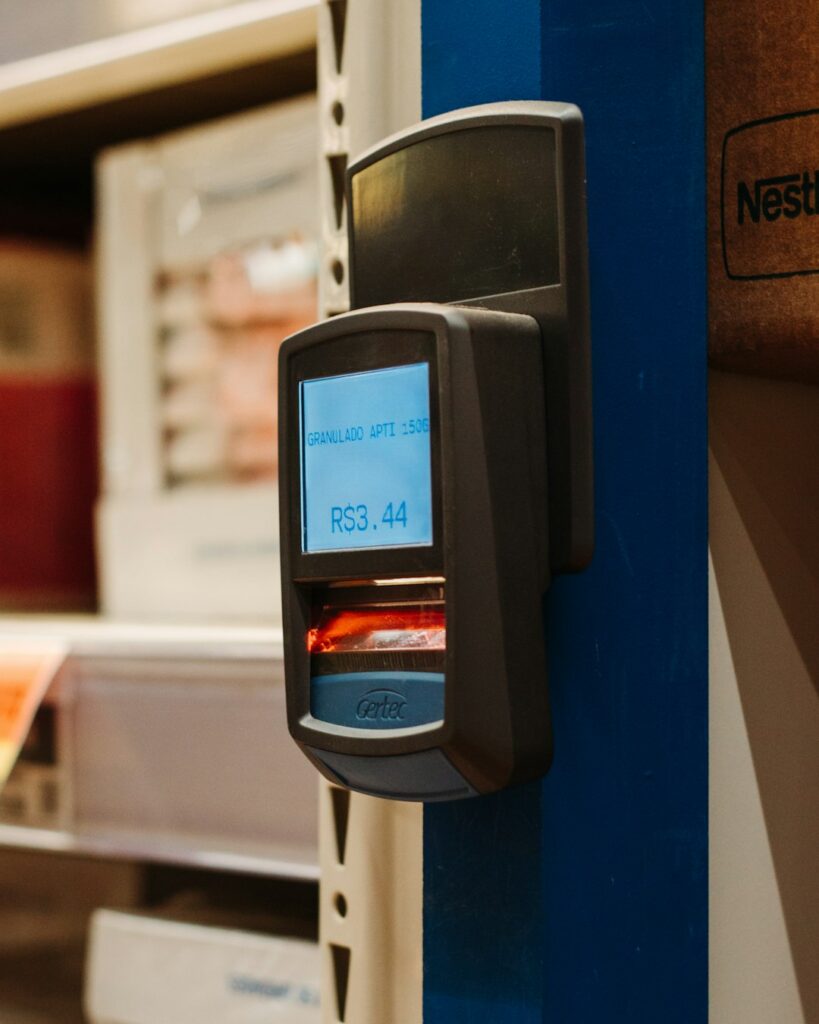
Retail stores face pressure to speed up checkout times while handling a variety of product sizes and packaging. Customers expect swift scanning to avoid long lines. Modern barcode readers equipped with mobile screens and the ability to read from paper or plastic labels help cashiers keep queues moving. Self-service kiosks using these scanners let shoppers scan items themselves without confusion, which lowers the need for staff intervention. It’s common for retail managers to train employees on how to quickly reposition items or adjust scanner angles to fix reading errors on reflective packaging.
Choosing the right datamatrix reader starts with understanding what your operation demands. Wireless connectivity might be vital for a warehouse where scanners move across wide areas, while hospitals may prioritize devices with sterilizable housings for infection control. Single tube readers often provide better precision in medical contexts, whereas mobile handheld scanners favor retail by balancing speed and portability. Checking compatibility with existing software systems is another practical step that prevents delays during installation.
Technical specs matter but aren’t the whole story. Decoding speed affects how fast each code scans, impacting overall workflow speed, especially in busy environments. Scanning distance is crucial too; a device that reads from several feet away allows operators to scan items without handling them directly, useful in warehousing or retail stockrooms. Also, consider the scanner’s ability to read damaged or poorly printed codes, some models use advanced imaging technology designed for this challenge.
Investing in quality scanning equipment often leads to noticeable improvements in productivity and reduces frustration among staff. Businesses should consider their specific workflow patterns, like peak operation hours or common scanning angles, to pick a device that fits naturally into daily tasks. For example, some warehouses create scanning stations where employees routinely clean lenses and test devices first thing each shift, preventing downtime caused by dirt or lens fogging.
Keeping up with new developments in barcode scanning technology offers ongoing benefits. Manufacturers regularly release updates that improve decoding algorithms or add features like multi-code reading in a single scan. Staying informed about these changes can help businesses upgrade at the right time and avoid falling behind competitors. For those exploring options beyond basic readers, datamatrix reader models provide a good starting point.
Additionally, research on barcode scanner performance reviews can help identify devices suited to specific environments and budgets. Reading user feedback often reveals practical insights such as battery life under heavy use or how well a scanner performs outdoors in varying light conditions. These firsthand reports can save time and money by narrowing down choices before committing to a purchase.
Regular maintenance routines contribute significantly to scanner longevity and reliability. Simple habits like wiping lenses daily, charging batteries overnight, and updating firmware when available prevent many common problems. In workplaces where multiple staff use the same device, clear guidelines about handling and storage reduce accidental damage and ensure everyone benefits from consistent performance.