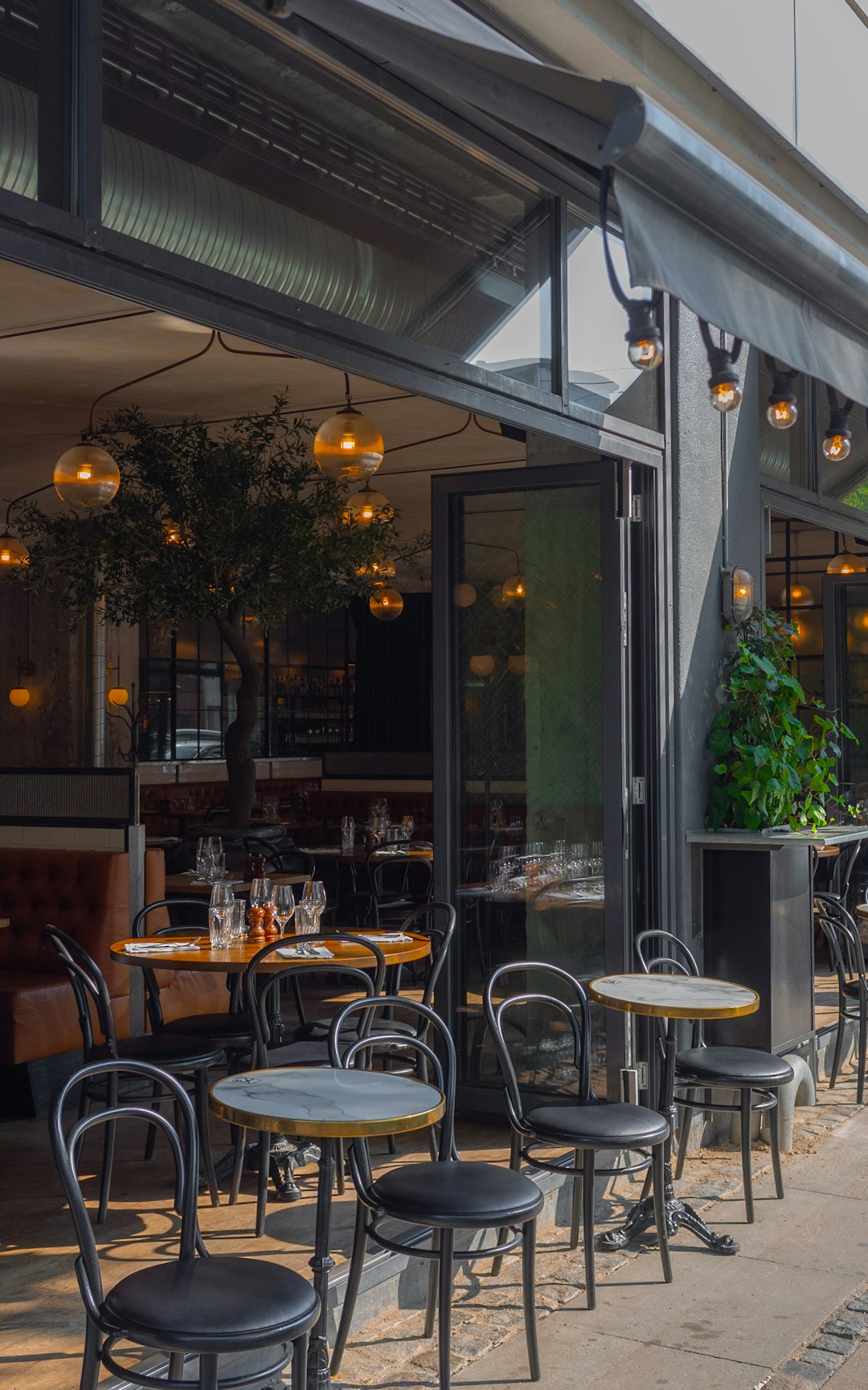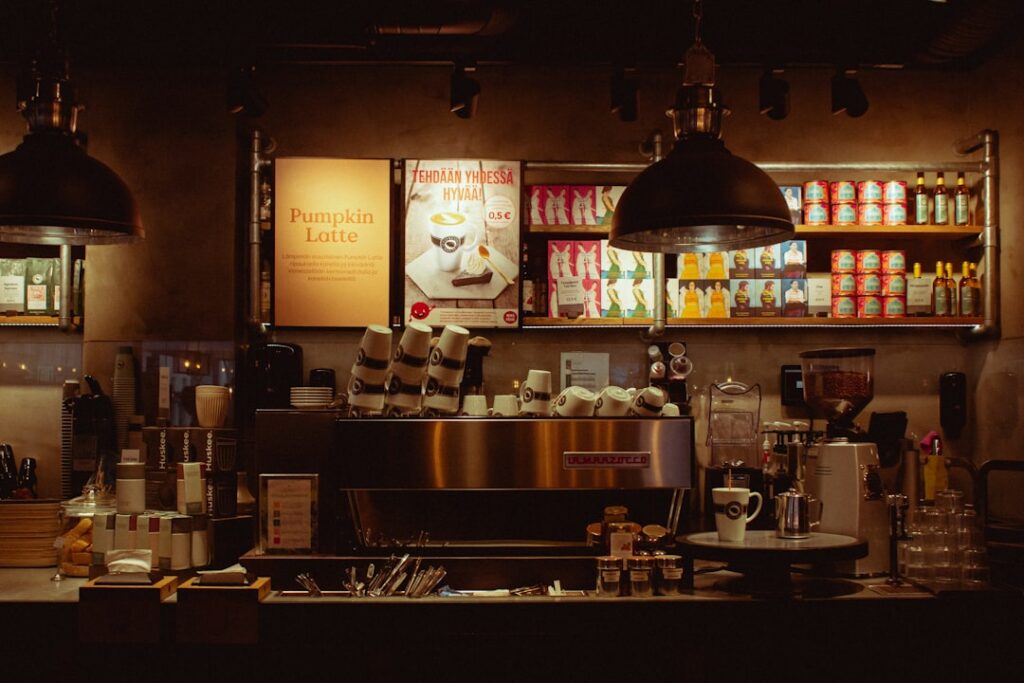

Not every coffee shop fits into one mold. Some owners think an open floor plan is the way to go, but that depends on your concept. A specialty shop focused on artisan brews might benefit from cozy corners where people can linger over a book or laptop. On the flip side, a busy café serving high volumes needs a setup that speeds up service and encourages quick turnover. Knowing who you want to attract helps shape how you arrange everything.
Dividing your shop into zones is more than just a design trend. It’s about organizing areas for ordering, seating, and prep so that things don’t get tangled during rush hour. For example, placing the espresso machine close to the register lets baristas whip up drinks faster, cutting down wait times. Anticipating how customers move through your space stops bottlenecks and keeps traffic flowing smoothly.
Seating isn’t just about cramming in as many chairs as possible. Mix it up with communal tables, solo seats, and lounge spots to suit different visitors. Some might want a quiet nook for studying or reading, while others prefer chatting with friends at a big table. Offering variety creates a welcoming vibe where everyone can find their spot. One practical tip: check your local fire codes before finalizing seating plans to avoid last-minute changes.
Lighting sets the tone more than most realize. Overly bright or harsh lights can make a café feel cold and uninviting. Warm ambient lighting helps customers relax and stick around longer. Whenever possible, use natural light to brighten the space; it also makes photos taken by patrons look better on social media, which can bring in more business. Switching out bulbs seasonally keeps the mood right as daylight shifts.
There’s real value in hearing from those who’ve been through the startup process. Connecting with experienced owners often reveals details textbooks miss, like how small changes to counter height improve staff speed or how foot traffic patterns evolve over time. Training courses offer practical advice on everything from layout to daily operations that align with your vision. Resources like coffee shop layout ideas provide useful frameworks worth exploring.
Every element in your layout contributes to how customers experience your brand. From where chairs sit to how customers queue, these choices shape feelings and behaviors. Paying attention to details like clear signage reduces confusion and helps new visitors find their way without staff having to explain repeatedly. Regular walk-throughs during setup help catch overlooked issues before opening day.
Designing a coffee shop takes more than picking furniture and paint colors. It demands understanding customer habits, operational flow, and your own priorities as an owner. When done well, you create a space that not only functions efficiently but invites people back time after time. For ongoing support and ideas, check out shop setup guidance online, which offers practical tips tailored for coffee businesses.