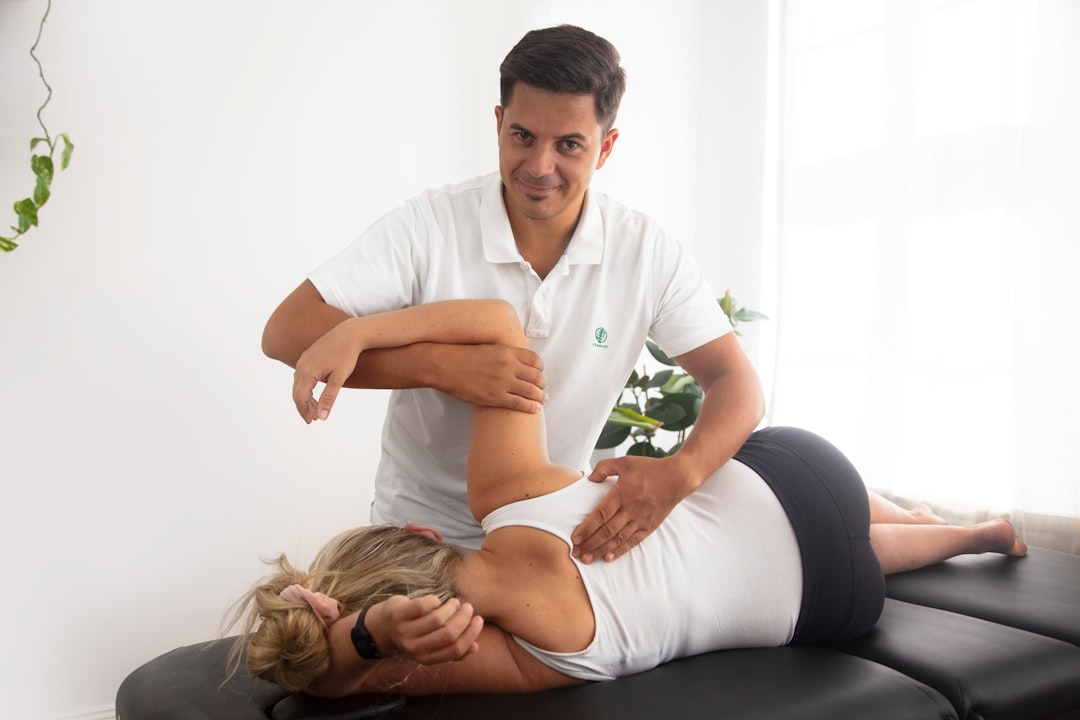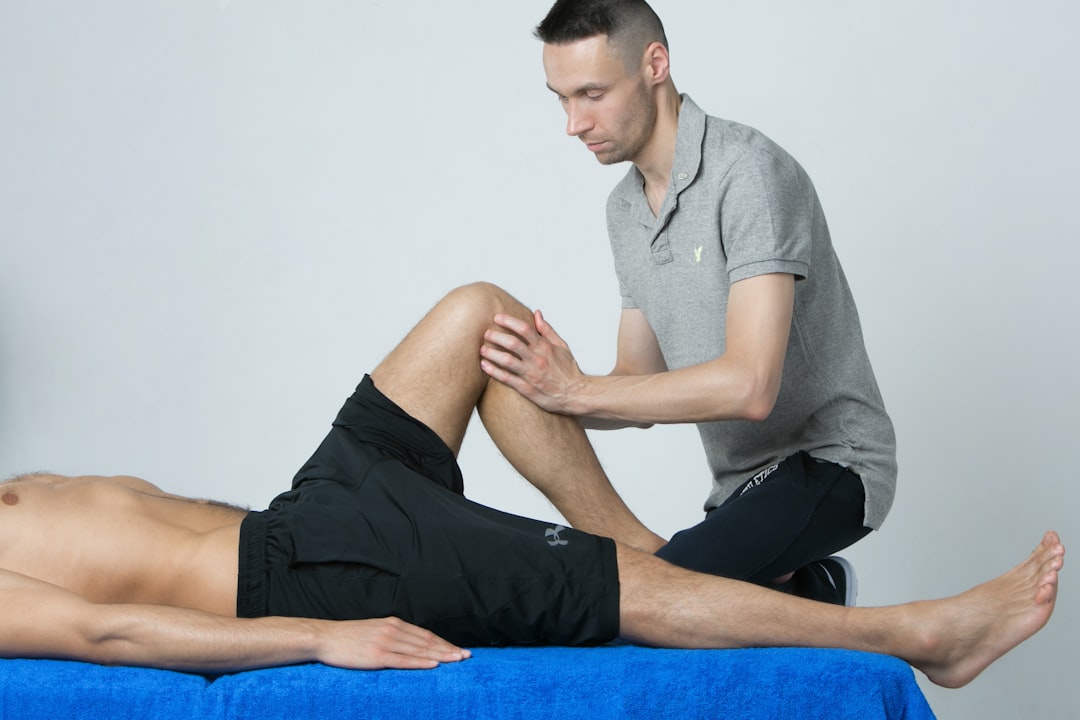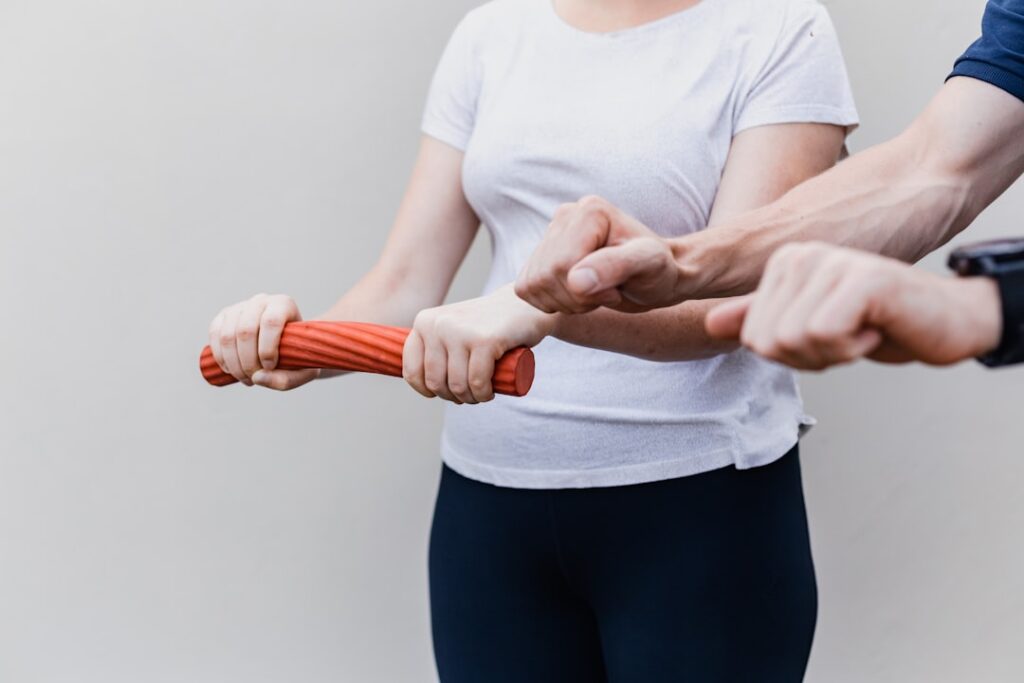

The first step after an injury is to visit a healthcare professional who will assess the damage. This usually involves hands-on physical tests to check stability and pain response, alongside imaging like an MRI to see if the ACL is torn or just strained. Many people assume surgery is automatic, but that’s not always the case. Mild sprains might be managed with physiotherapy alone. What’s vital is having clear communication between your GP, surgeon if needed, and physio. In Sydney, building these connections can help avoid repeated appointments or conflicting advice, which often causes frustration.
Once a treatment route is set, rehab begins with gentle movements. At this stage, the goal is to reduce swelling and regain knee mobility without causing more harm. Simple range-of-motion exercises, such as heel slides or seated knee bends, are standard. Patients commonly misunderstand this phase by pushing too hard too soon, leading to setbacks. Your therapist will guide you on the right pace. As swelling drops and motion improves, strengthening exercises come into play. Focused work on the quadriceps and hamstrings is crucial since these muscles support knee stability during walking or running. Exercises like straight leg raises, leg presses, and hamstring curls gradually rebuild muscle strength.
Balance and proprioception training should start early but become more challenging over time. Proprioception refers to your body’s sense of joint position and movement, something that often gets overlooked. Using equipment such as wobble boards or balance cushions, or simply practicing single-leg stands, retrains your brain and muscles to react quickly to changes in terrain or direction. Athletes who skip this step risk re-injury because their knees aren’t ready for the sudden twists and turns sports demand.
Setting clear goals with your physiotherapist helps keep you honest about your progress. For instance, aiming to jog pain-free by six weeks post-injury is a realistic short-term target that many patients find motivating. Long-term goals might include returning to competitive sport within months or improving knee function enough to avoid supports like braces. Regular check-ins allow your team to tweak your program if you hit a plateau or develop new symptoms. This ongoing feedback loop prevents wasted effort and helps identify issues early.
Before jumping back into your sport, you need sport-specific drills that mimic real conditions but don’t overload your knee. Your physio will design exercises that simulate cutting movements or sudden stops without full intensity at first. They’ll watch closely for pain or instability and adjust accordingly. A common mistake people make is rushing this phase because they feel fine during daily activities but aren’t ready for the demands of their sport. Consulting with professionals who specialise in acl physio sydney means you’ll get a tailored plan designed around your exact needs and timeline.
Education throughout rehab matters more than most expect. Knowing why each exercise exists, what the healing stages involve, and potential warning signs empowers you to take control rather than passively follow instructions. Many patients track their sessions in a rehab journal or app, noting pain levels and milestones, this habit helps avoid misunderstandings during appointments and keeps everyone on the same page. Additionally, online resources can supplement learning with videos or articles explaining injury mechanics and recovery tips. For more insights into managing ACL injuries effectively, check out rehabilitation advice in sydney.
Recovery from an ACL injury isn’t quick or easy. It demands patience, consistent effort, and good guidance from your healthcare team. But by following a structured rehab program that balances strengthening, mobility, proprioception, and education, you stand the best chance of returning to your sport confident and capable.