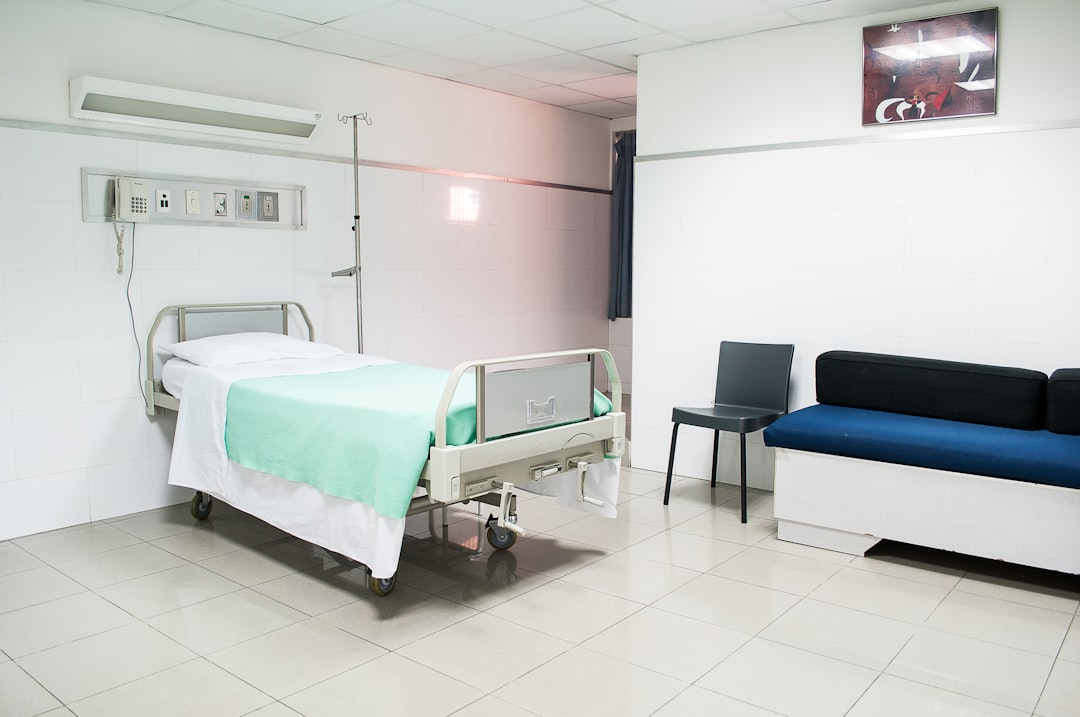
In fast-paced healthcare environments, timely communication can mean the difference between life and death. This is especially true in hospitals, assisted living facilities, and nursing homes where patient care relies on well-coordinated staff responses. One critical component of that care infrastructure is the emergency nurse call system. These systems are designed to facilitate rapid communication between patients and medical personnel, ensuring that help arrives when it is needed most.
Emergency nurse call systems are typically installed in patient rooms, hallways, and common areas, offering patients and staff a direct line to nursing stations. When a patient presses a call button, a signal is sent to alert nurses or caregivers. Depending on the sophistication of the system, the alert may appear on a central panel, be routed to a mobile device, or trigger an audible alarm. These systems not only improve response times but also enhance patient safety by ensuring that assistance is always within reach.
Modern nurse call systems have evolved significantly from their early counterparts. Today’s solutions often include integrated features such as voice communication, location tracking, and real-time reporting. These enhancements allow caregivers to prioritize calls based on urgency, communicate directly with patients, and track response times for accountability and quality improvement. For example, a patient experiencing chest pain can be prioritized over a routine assistance request, allowing medical staff to allocate resources more effectively.
An essential function of any emergency nurse call system is reliability. Systems must be designed to operate continuously, even during power outages or network disruptions. Many facilities now opt for IP-based solutions that offer greater flexibility and integration with other building systems. These platforms can be customized to meet the specific needs of a facility, whether it’s a small care home or a large hospital complex. The ability to scale and adapt is particularly valuable in healthcare settings where patient needs and staffing levels can change rapidly.
Safety regulations and healthcare standards also play a significant role in the implementation of nurse call systems. Facilities must comply with local and national guidelines to ensure patient safety and system reliability. This includes regular testing, staff training, and ongoing maintenance. Furthermore, systems must be intuitive enough for patients of all abilities to use, which includes considerations for accessibility, language, and cognitive limitations. Effective design can significantly reduce confusion and ensure faster response times during emergencies.
Integrating emergency nurse call systems with other safety and communication tools is becoming increasingly common. For instance, systems can work in tandem with fire alarms, access control, and building evacuation procedures. This type of integration allows for a streamlined response during large-scale emergencies. To see how such integrations are implemented in real-world settings, explore more about emergency nurse call solutions and how they enhance overall safety protocols.
Beyond emergency situations, nurse call systems also support daily operational efficiency. Staff can manage workflow, monitor patient requests, and coordinate care more effectively. By reducing unnecessary steps and minimizing delays, these systems contribute to higher patient satisfaction and better clinical outcomes. For administrators, the data collected through these systems offers valuable insights into performance metrics and areas for improvement.
Healthcare technology continues to evolve, and nurse call systems are no exception. As patient expectations rise and care becomes more complex, facilities must invest in technologies that support both patient needs and staff efficiency. Choosing the right system requires careful assessment of facility size, patient population, and available resources. Decision-makers should also consider future scalability and integration capabilities to ensure long-term value.
For healthcare providers looking to upgrade or install new systems, understanding the full capabilities and benefits is essential. Resources that provide detailed product and solution information can guide these decisions. For a deeper look into tailored technologies designed for healthcare environments, visit healthcare communication solutions that align with modern care demands.
As the healthcare landscape continues to adapt, the importance of efficient, reliable communication tools like emergency nurse call systems will only grow. These systems not only serve as a lifeline for patients but also as a critical support for the caregivers who rely on them every day. Investing in the right technology is an investment in safety, efficiency, and quality of care.