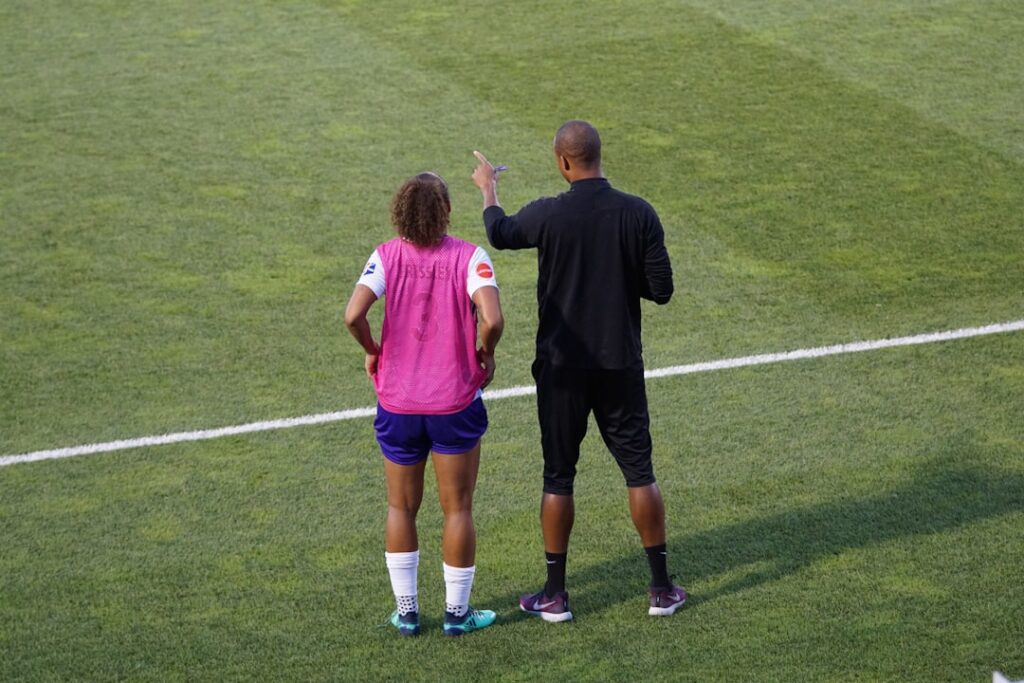

Parents should try to build a space where children feel safe talking about their worries and setbacks. Instead of asking only about goals scored or games won, ask how they felt during the match or practice. Kids need to hear that mistakes are part of improving. When parents listen without judgment, it eases pressure and opens up honest conversations. For example, after a tough game, sitting down for a calm chat can help the child process feelings rather than bottle them up.
Sports psychology offers practical tools that help young athletes handle pressure. Visualization is one technique that works well; having a child imagine themselves successfully taking a penalty kick or making a great play can build mental readiness and reduce nerves. Teaching kids to set small goals, like improving their passing accuracy or running speed, instead of obsessing over winning helps keep progress manageable. Celebrate those small wins to keep motivation high and resilience growing.
It’s also vital to balance practice with fun. If kids feel like sports are just chores, they’ll lose interest fast. Incorporating playful drills or games that develop skills without the stress of competition encourages a genuine love for the sport. Parents should watch out for signs of burnout, such as complaints about practice or reluctance to attend games. Mixing in non-competitive activities preserves enthusiasm and supports long-term growth.
Confidence outside of sports matters too. Low self-esteem can spill over and affect many areas of a child’s life, including athletic performance. Working with someone trained in sports psychology can offer strategies for handling stress and building confidence both on and off the field. Professionals who focus on young athletes understand how to tailor advice so it fits the child’s personality and life situation.
Communication is key. Parents should make it a habit to check in regularly with their child about their sporting experiences. Letting kids express frustrations or excitement gives them a sense of control over their journey. It’s common for misunderstandings to arise when parents assume silence means everything is fine. Active listening helps avoid miscommunication and strengthens the parent-child bond.
Supporting young athletes demands patience and flexibility. Focus on effort, not just results. Encouraging enjoyment alongside skill development helps kids stick with sports longer and builds character traits like perseverance and teamwork. For added guidance, families can explore resources on parenting young athletes. These materials provide straightforward advice that complements what parents learn from coaches and teachers.
Every child is different, so personalized support makes a real difference. Some kids benefit from extra one-on-one coaching while others need more encouragement during team practice. Learning about online youth sport coaching can offer flexible options that fit busy schedules. Keeping track of progress through simple notes or videos also helps parents and coaches spot areas needing attention before problems grow.
Ultimately, effective guidance comes down to understanding each young athlete’s unique needs and fostering an environment where they feel valued beyond just wins and losses. With clear communication, realistic goal-setting, and a strong emphasis on enjoyment, parents can help their children thrive both in sport and in life.