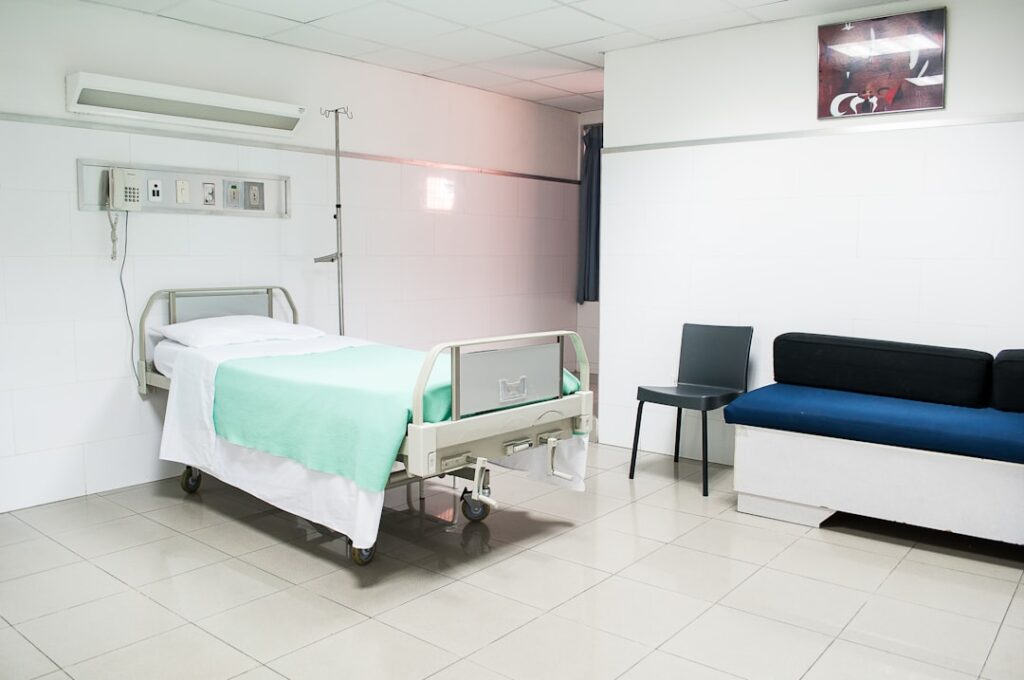
In modern healthcare environments, timely communication between patients and caregivers is essential for delivering quality care. One of the most vital components supporting this interaction is the nurse call button system. These systems are integral in hospitals, aged care facilities, and rehabilitation centers, offering patients a direct line of communication to medical staff when they need assistance. But beyond convenience, these systems play a pivotal role in enhancing patient safety and operational efficiency.
At its core, a nurse call button system allows patients to alert nursing staff to their needs through a simple button press. This system typically connects to a centralized station where alerts are received and prioritized. Depending on the complexity of the setup, alerts can be routed to specific staff members’ mobile devices or pagers, ensuring that the right personnel respond quickly. This immediacy is particularly critical during emergencies, where every second counts.
The benefits of such systems extend beyond rapid response times. They contribute significantly to reducing patient anxiety by offering a sense of security. Patients, especially those with limited mobility or chronic conditions, often feel vulnerable when alone. Knowing that help is just a button away can alleviate stress and contribute to a quicker recovery. For healthcare providers, the system also ensures accountability and improves workflow by streamlining communication and reducing the need for physical check-ins.
Technological advancements have further expanded the capabilities of the modern nurse call button system. Integration with other hospital systems, such as electronic medical records and building management systems, allows for a more cohesive care environment. For example, when a patient presses the call button, the system can automatically pull up their information, enabling faster and more informed responses. Some systems are equipped with voice communication features, allowing patients to describe their needs without waiting for staff to arrive, which can be crucial in differentiating between routine and emergency situations.
In aged care settings, the importance of nurse call systems becomes even more pronounced. Residents often have varying levels of physical and cognitive ability, making it essential to have a reliable way to call for help. These systems are often designed with larger buttons, wearable devices, or pull cords to accommodate different needs. Additionally, some systems can track residents’ movements and alert staff to unusual activity, such as a fall, further enhancing safety.
Operationally, these systems help administrators monitor response times and identify patterns in call frequency. This data can be used to allocate staff more effectively, identify areas where additional training may be needed, and even justify budgetary decisions. For example, if one wing of a facility consistently records slower response times, administrators can investigate whether more staff or different protocols are required.
Not all nurse call systems are created equal, however. Choosing the right system involves evaluating factors such as scalability, integration potential, ease of use, and compliance with healthcare regulations. Facilities must also consider the training required for staff to use the system effectively. A well-implemented system should be intuitive enough that both patients and staff can use it confidently without extensive instruction.
Modern systems are also increasingly designed with redundancy and backup power solutions, ensuring they remain operational even during power outages. This reliability is particularly important in emergency situations, such as natural disasters, where maintaining communication can be life-saving. Facilities that invest in high-quality systems often find that the long-term benefits in patient satisfaction and operational efficiency outweigh the initial costs.
For organizations looking to modernize their healthcare infrastructure, exploring integrated technologies is a crucial step. A comprehensive solution that combines nurse call, security, and building management functions can streamline operations and enhance both safety and care quality. More information on such solutions can be found on integrated healthcare technology platforms that provide tailored systems for various clinical environments.
Ultimately, nurse call button systems are more than just communication tools—they are foundational to a safe, responsive, and efficient care environment. As healthcare continues to evolve, these systems will remain essential in supporting both patients and providers through immediate access, better data, and integrated functionality.