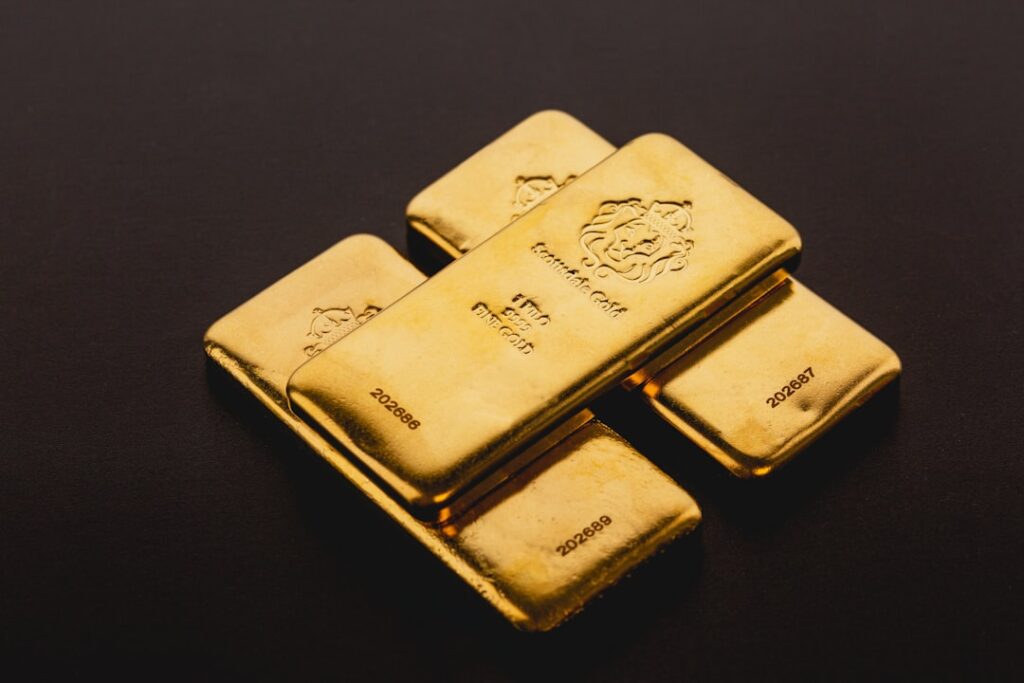

Understanding the weight and measurement of silver bars is key. Silver is weighed in troy ounces, with popular sizes including 1 ounce, 10 ounces, and even 100 ounces. These standard weights make it easier to buy and sell across different markets. For example, a retailer might hold several 10-ounce bars instead of one large bar to keep transactions flexible and avoid having to sell an entire large piece at once.
Purity matters too. Most reputable silver bullion bars contain 99.9% pure silver, often called ‘three nines fine.’ This ensures you’re getting the metal’s full value without significant impurities. It’s common practice for buyers to check for mint stamps or certificates of authenticity. Genuine bars usually carry markings from well-known mints, which helps prevent counterfeit risks in the secondary market.
Storage is a practical concern that gets overlooked. Physical silver needs secure storage since it’s a tangible asset, unlike stocks or bonds held electronically. Many businesses rent safe deposit boxes at banks or invest in heavy-duty home safes made for precious metals. A local jewelry shop, for example, might use a vault system with controlled access to balance security with operational convenience.
Liquidity is another advantage of silver bullion bars. They are generally easier to sell compared to other physical assets like real estate or collectibles. During tight cash flow periods, businesses can convert silver holdings into cash relatively quickly. Some investors keep smaller bars on hand precisely for this reason, allowing them to sell portions without liquidating their entire investment.
Silver also serves as a form of wealth preservation beyond just investment returns. While currencies can lose purchasing power through inflation, physical silver maintains value as a hard asset. This is why some business owners include silver bullion bars in their financial planning as a hedge against economic uncertainty.
The silver market responds to various external factors such as industrial demand and geopolitical developments. For instance, silver’s use in electronics and renewable energy technologies can push prices higher when demand climbs. Staying updated on market trends through reports and analyses related to precious metals can inform better timing for buying or selling.
silver bullion bars remain a practical choice for those wanting tangible assets that combine liquidity with stability. Their standardized weights and purity standards simplify transactions, while secure storage options mitigate risks associated with physical ownership.
Businesses interested in precious metals should consider tracking supply and demand shifts closely. silver market analysis reports offer insights that help investors make informed decisions about their holdings and potential sales.