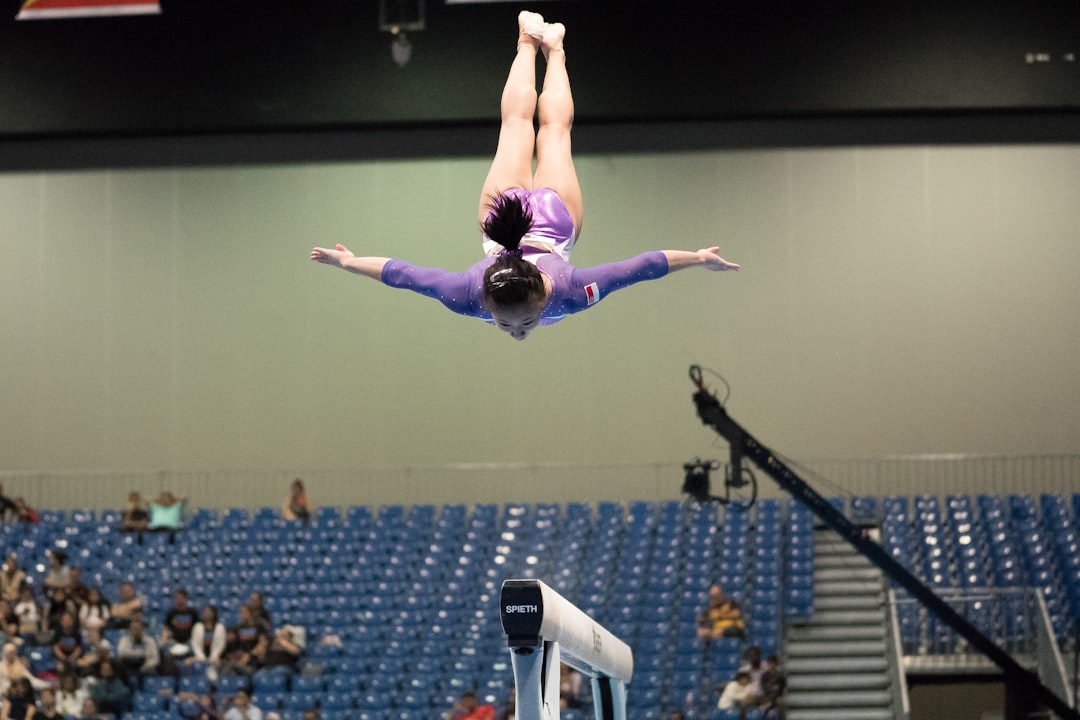

Athletes frequently get stuck focusing too much on winning or losing rather than the process of competing itself. This narrow view can sap enjoyment and slow progress. A good coach helps refocus attention on mastering fundamentals and personal growth instead of fixating on outcomes. This shift not only improves skills but also renews passion for the sport. For instance, a runner might concentrate on maintaining form and pacing during training rather than obsessing over race results. Getting back to basics like this makes the whole experience more rewarding.
Stress management often separates good athletes from great ones. High-pressure moments are unavoidable, but how one reacts can change everything. Coaches teach practical strategies such as controlled breathing, mindfulness, and simple pre-performance routines to stay calm and focused. For example, a tennis player might take deliberate deep breaths before serving during a match point. These small habits help reduce nerves and sharpen concentration in critical moments.
Setting clear, achievable goals keeps athletes motivated and on track. Coaches help break down long-term ambitions into smaller, measurable steps that align with overall objectives. Tracking progress through training logs or video reviews provides concrete evidence of improvement, which boosts confidence. Many athletes find it helpful to write down weekly goals and reflect on them regularly to stay accountable and make adjustments as needed.
The coach-athlete relationship itself affects performance significantly. A supportive coach acts as mentor and motivator, offering personalized feedback tailored to each athlete’s strengths and areas for improvement. Regular check-ins prevent misunderstandings about expectations and progress, a common source of frustration in training partnerships. This partnership encourages athletes to push beyond their comfort zones while providing tools to do so safely and effectively.
Owning weaknesses is often uncomfortable but necessary for growth. Athletes who honestly assess their technique or mental blocks often experience breakthroughs. Addressing issues like fear of failure, burnout, or inconsistent practice habits can transform performance over time. For example, an athlete might realize that skipping cooldown routines contributes to recurring injuries, prompting a change in habits to support longevity.
Continuous learning keeps athletes competitive throughout their careers. Coaches who emphasize ongoing education about mental strategies prepare athletes not just physically but psychologically. This knowledge extends beyond sports, helping manage stress in daily life or maintain focus under pressure at work or school. If you want to take your performance seriously, consider connecting with someone who offers guidance on competitive excellence through mental conditioning techniques for athletes.