
Preparation is everything when applying a liquid waterproofing membrane. Start by thoroughly cleaning the surface, dirt, oil, or leftover sealants can stop the membrane from sticking properly. For concrete decks or floors, patch all cracks and smooth out uneven spots before you begin. Skipping these steps often leads to uneven coverage and weak spots where water can get in. Many who rush through preparation regrettably face peeling membranes or early failure, so take the time to do it right.
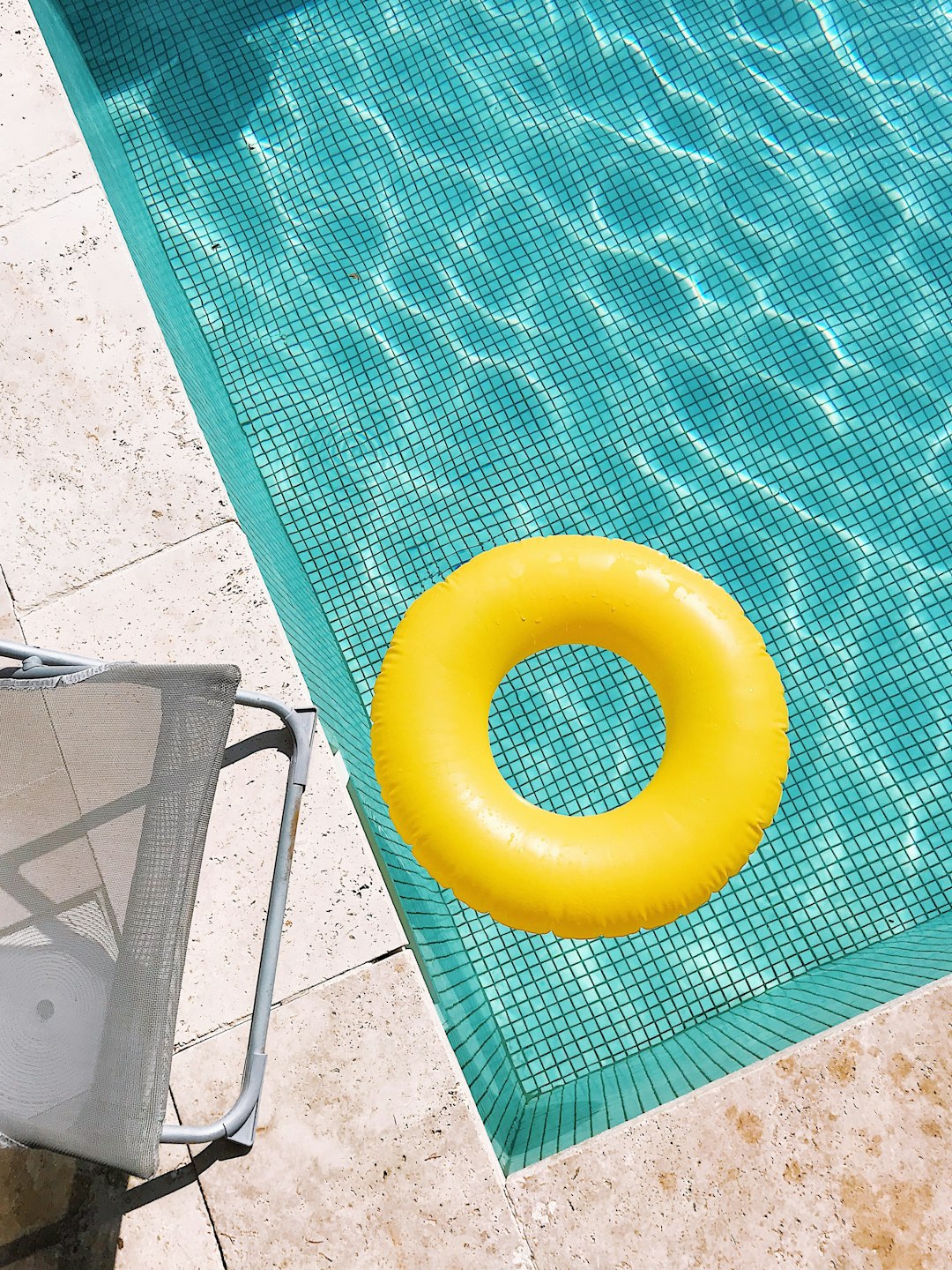
Applying each coat correctly matters as much as surface prep. You need to let each layer dry fully before adding the next; otherwise, you risk bubbles or peeling once the area gets wet. For example, sealing a pool deck requires patience, rushing through coats can cause the membrane to fail under constant water exposure. Waiting 4 to 6 hours between coats, depending on temperature and humidity, usually works well. Checking manufacturer instructions closely helps avoid premature problems.
Coverage rates vary based on the membrane type and surface texture. On average, one pint covers around 50 square feet, but rough concrete absorbs more product than smooth wood. Using a coverage calculator or measuring your area carefully prevents buying too little or wasting excess material. This is especially helpful if you’re managing a budget for a business or multiple projects. Always round up slightly to account for unexpected absorption.
Consider using complementary products like drainage mats or additional sealants in high-risk zones such as basements or outdoor patios exposed to heavy rain. These extras help channel water away and reduce pressure on the membrane itself, increasing durability. Combining products requires understanding how each works together, some sealants may interfere with membranes if applied incorrectly. Testing on a small patch first avoids surprises.
If you’re unsure how to proceed, detailed step-by-step guides are available for specific scenarios like basement walls or rooftop terraces. These instructions cover everything from surface prep to layering techniques, ensuring you don’t skip critical steps that could compromise performance. It’s common for DIYers to overlook curing times or proper crack filling, so following clear guidance saves time and money in the long run.
Before buying materials, check for potential discounts on bulk orders or first-time purchases. A 10% reduction on your initial order can free up funds for better tools or additional waterproofing layers. Many suppliers offer these deals but don’t advertise them upfront; asking directly or looking for promo codes online can pay off.
If you need personalized advice or help selecting products suited to your project’s needs, support is available. Whether it’s choosing the right membrane thickness or understanding how environmental factors affect application, experts can provide practical answers. For more detailed information on deck waterproofing membrane options designed for durability and ease of use, visit that page. Also, check out to explore products tailored to different surfaces and climates.