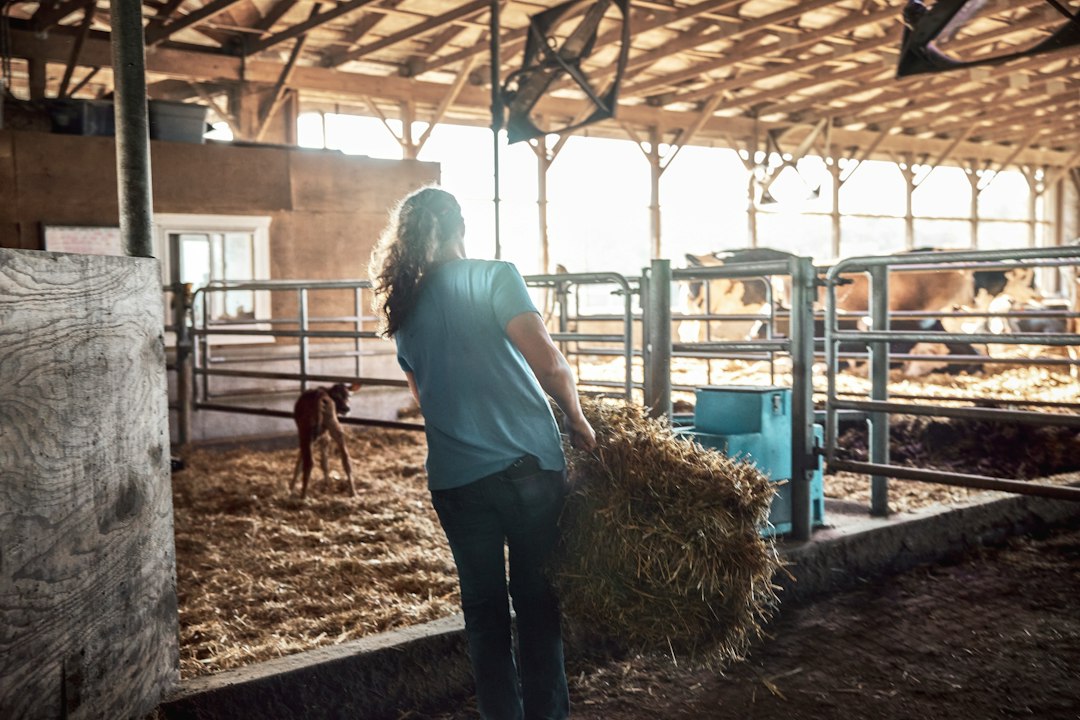

Next, confirm usable capacity rather than relying on a general impression of spaciousness. A renovated 1918 barn at this type of Connecticut venue can accommodate receptions of up to 150 guests, but the seating arrangement affects how comfortable that number feels. Capacity refers to the number of people a space can hold under a particular setup, not simply the maximum headcount. Ask whether the room will be arranged for a sit-down dinner, buffet, or stations. Buffet tables need clear service paths, while a dance floor reduces the area available for dining tables and guest circulation.
Map the floor plan before committing to decorations. A floor plan shows tables, chairs, food service, the bar, dancing, and pathways in relation to one another. In a barn with an adjoining deck, you might place cocktails outside, dinner inside, and dancing near the deck for a smooth transition. A hypothetical wedding with 120 guests may need a different arrangement from a 70-person celebration, even if both fit within the stated capacity. Ask where guests will wait before the ceremony, where gifts will go, and how staff and vendors can work without crossing the couple’s entrance.
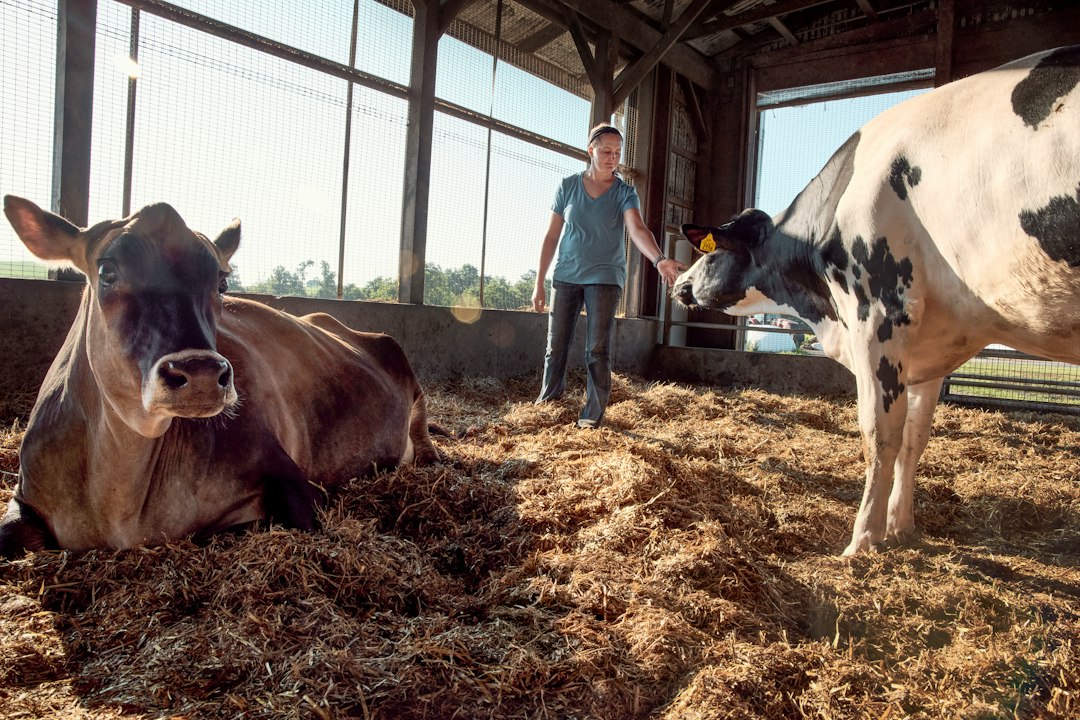
Weather planning deserves its own conversation when your vision includes an outdoor ceremony. Open fields and pastures can provide a backdrop of foliage, animals, and farmland, but rain, wind, heat, or damp ground can change the experience quickly. A rain plan should identify an alternative location and schedule rather than leaving the decision vague. Ask whether the ceremony can move into the barn, whether the deck remains usable in light rain, and who makes the call. If showers are forecast for a 4 p.m. ceremony, decide when guests will be notified and how the transition will be managed.
Use the season and property details to guide practical choices. The described wedding season runs from April through November, so spring, summer, and fall celebrations may call for different plans. April may require warm layers and a sheltered cocktail area, while a summer afternoon may make shade and water more useful. Autumn foliage can complement the rural setting, but shorter daylight affects portraits and ceremony timing. Also ask about lighting, electrical capacity, level routes, seating for older relatives, restrooms, and parking. These details affect comfort as much as the barn’s appearance.
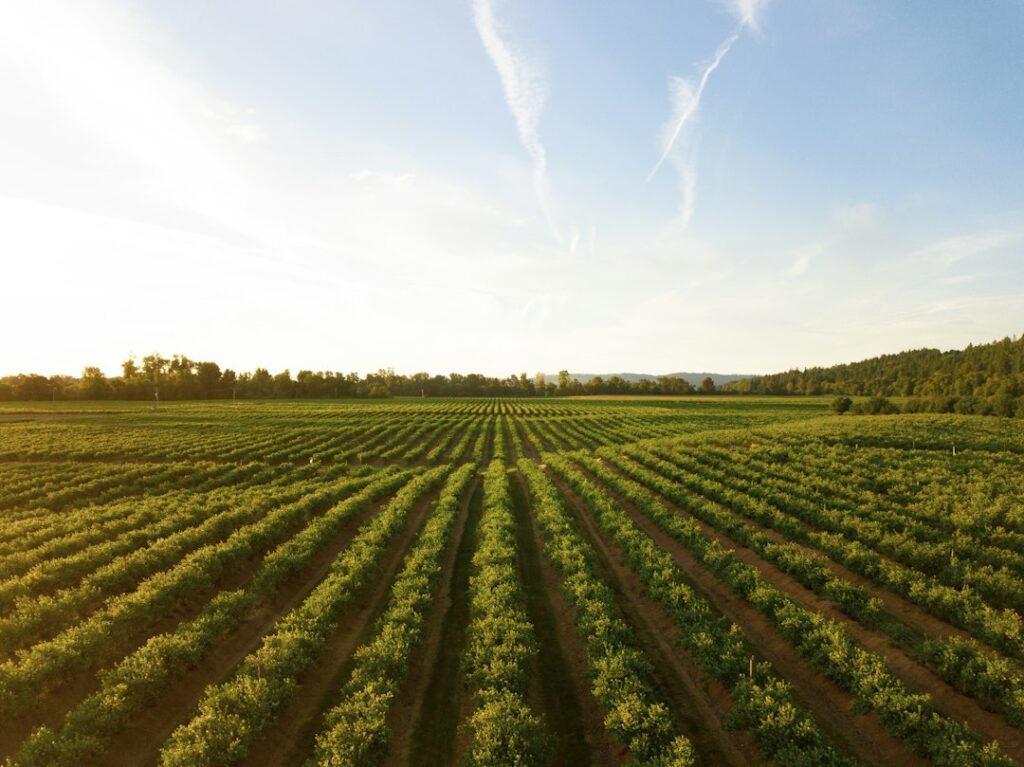
Compare included spaces and planning responsibilities in writing. Exclusive use of a renovated barn and outdoor deck can provide a private setting, while access to 40 acres may leave room for an outdoor ceremony and portraits. As you review farm wedding venues, confirm which areas are available on your date and what the reservation includes. Ask about setup and cleanup windows, vendor access, furniture, lighting, restrooms, parking, music timing, and the wet-weather layout. The answers will show whether the venue matches your event rather than merely matching your style.
Before signing, turn your questions into a simple walkthrough with your planner or venue contact. Trace the guest route from arrival and parking to the ceremony, cocktails, dinner, and dancing. Identify where vendors unload, where catering equipment goes, and where guests can gather if weather changes. Review the agreement for timing, access, restrictions, and responsibilities, then share the plan with your photographer, caterer, band, and coordinator. A beautiful rural wedding property becomes much easier to manage when every space has a purpose and each contingency has a named decision maker.