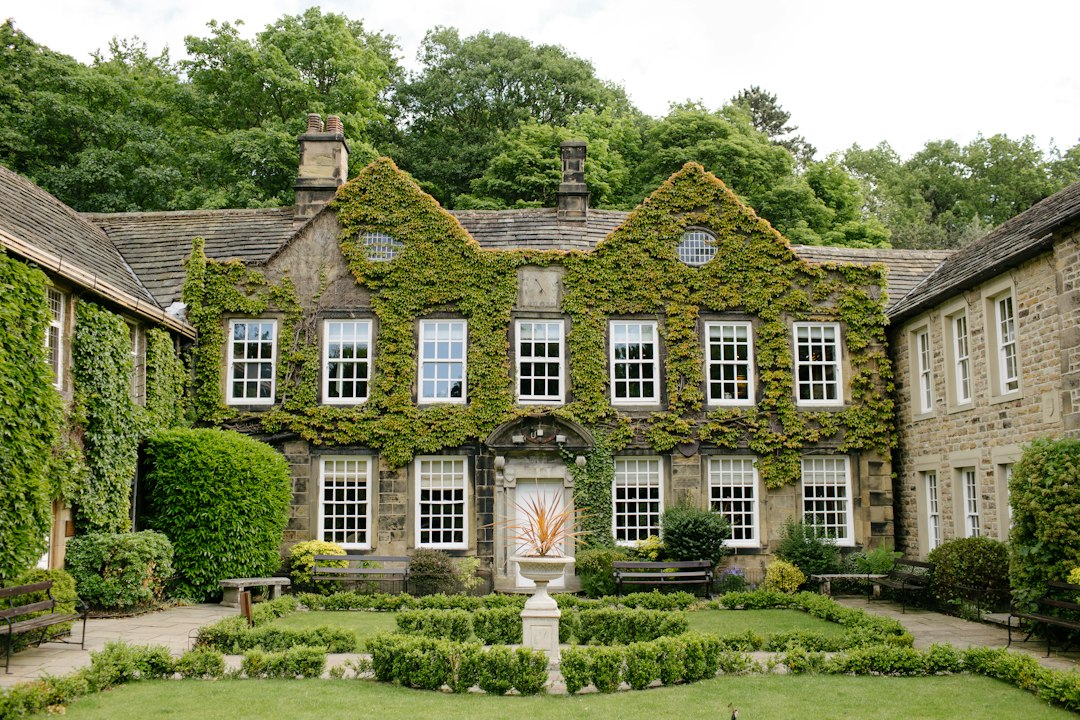

A frequent misconception is that the tide dictates whether a ceremony can happen. Tides are the regular rise and fall of ocean water, and their timing can affect the width of the beach and the sound of breaking waves. Ask how the ceremony schedule accounts for that movement, then consider sun angle, guest comfort, and the time needed to move indoors. For example, a 4 p.m. ceremony may look beautiful in photographs but place some guests in direct sunlight. A later start may improve comfort, while a shaded courtyard can provide another outdoor option without relying on the shoreline alone.
Weather planning is not the same as expecting rain. Wind can disturb microphones, programs, veils, and table settings even under clear skies, while humidity can affect hair, clothing, and flowers. A backup plan means a specific alternative location and a clear decision process, not a vague promise to relocate if necessary. An all-season courtyard may suit couples who want open air with more structure, while a grand ballroom can protect the reception from changing conditions. Confirm when the location decision is made, who communicates it, and how guests will find the new space.
Another mistaken assumption is that a beach ceremony automatically creates a casual reception. The tone depends on choices such as lighting, linens, seating, music, and the room itself. A grand ballroom can support a formal dinner and dancing after a simple shoreline exchange of vows, while a courtyard can connect the two moods. Think about guest movement as well as photographs. Older relatives may prefer a shorter walk and stable flooring, and children may need a comfortable place to pause. Ask about the bridal room too, since a private preparation area can make the hours before the ceremony calmer.
Food deserves its own conversation rather than being treated as a minor reception detail. Catering describes how a venue plans, prepares, presents, and serves the meal, while a menu is the actual selection of dishes. Couples sometimes assume a beach setting limits them to informal food, but reception style and cuisine can be planned separately. Request menu options that fit the season, guest preferences, and timing of the event. For instance, a long plated meal may require a different schedule from stations or a buffet. Discuss allergies, vegetarian needs, cake service, and late-night refreshments in specific terms.
Wedding packages can simplify planning, but the word package does not always mean every desired service is included. Read the contract, which is the written agreement defining costs, responsibilities, timing, and cancellation terms. Ask which elements cover the ceremony, reception, catering, staffing, setup, cleanup, and décor, and which require outside vendors. A professional team can coordinate details, yet couples should still identify one person who answers questions on the wedding day. Request a written explanation of deposits, payment dates, overtime, weather changes, and guest-count deadlines before treating a package as a complete budget.
Picture a couple hosting 60 guests: they want ocean views for vows, a sheltered option if wind rises, and a formal dinner without sending guests across town. Their planning conversation should compare the beach, courtyard, and ballroom as connected parts of one schedule. Visiting a north myrtle beach venue at a similar time of day can reveal sound, shade, parking, and travel questions that photographs cannot answer. With those practical details settled, the shoreline can remain what it should be: a memorable setting that supports the celebration rather than a source of avoidable surprises.