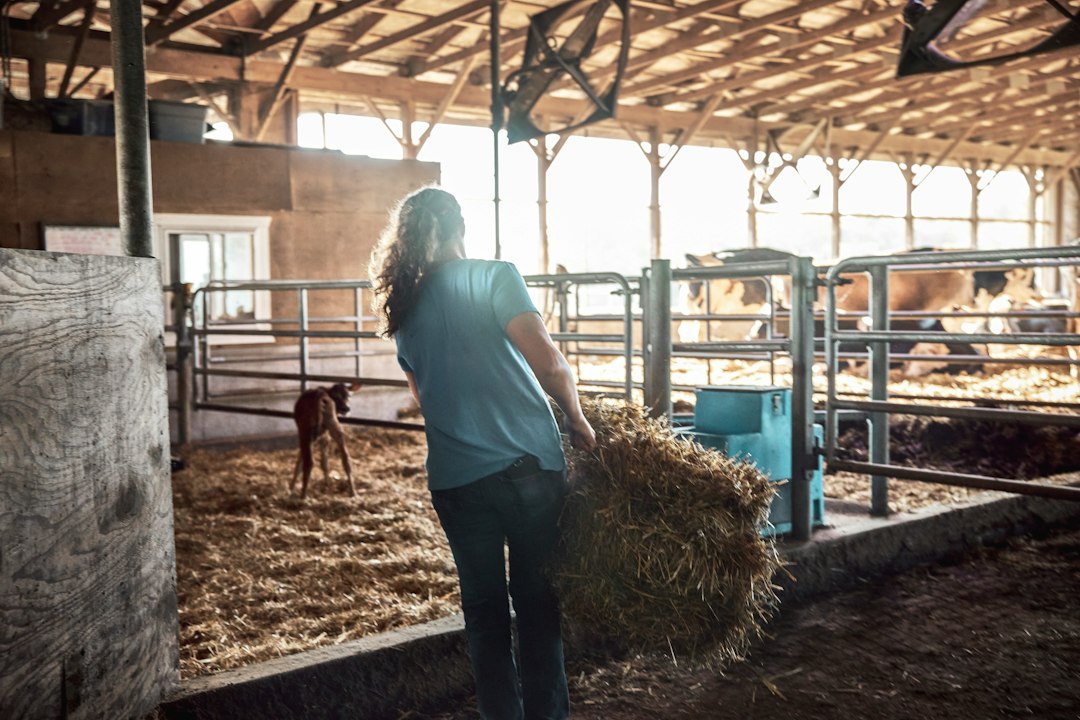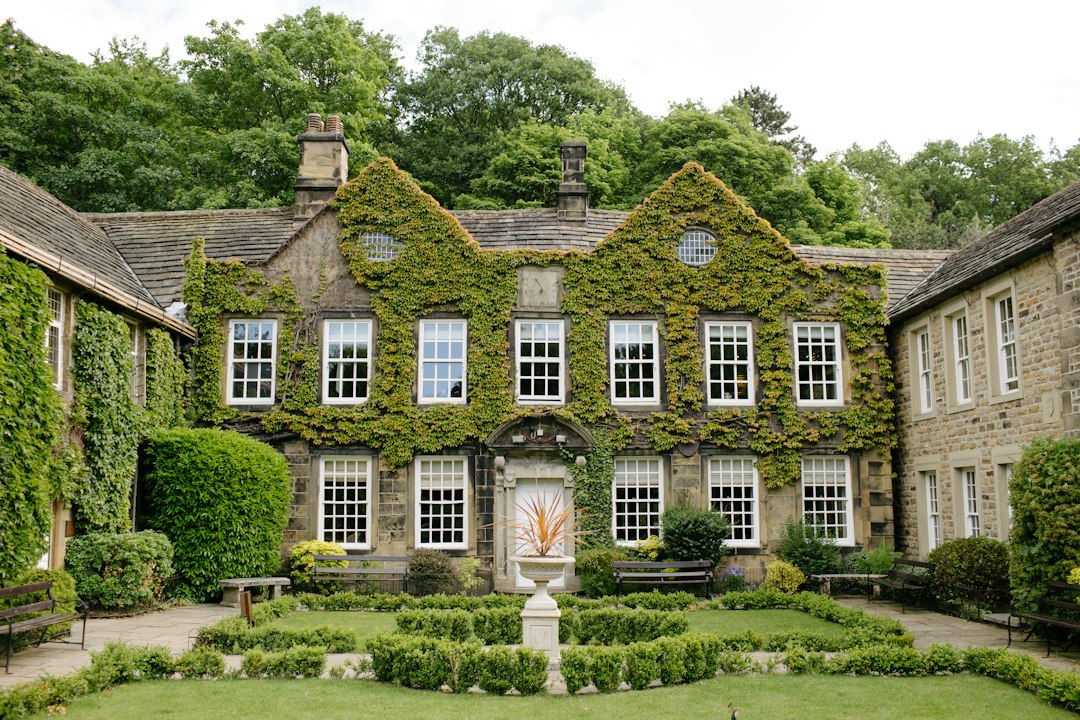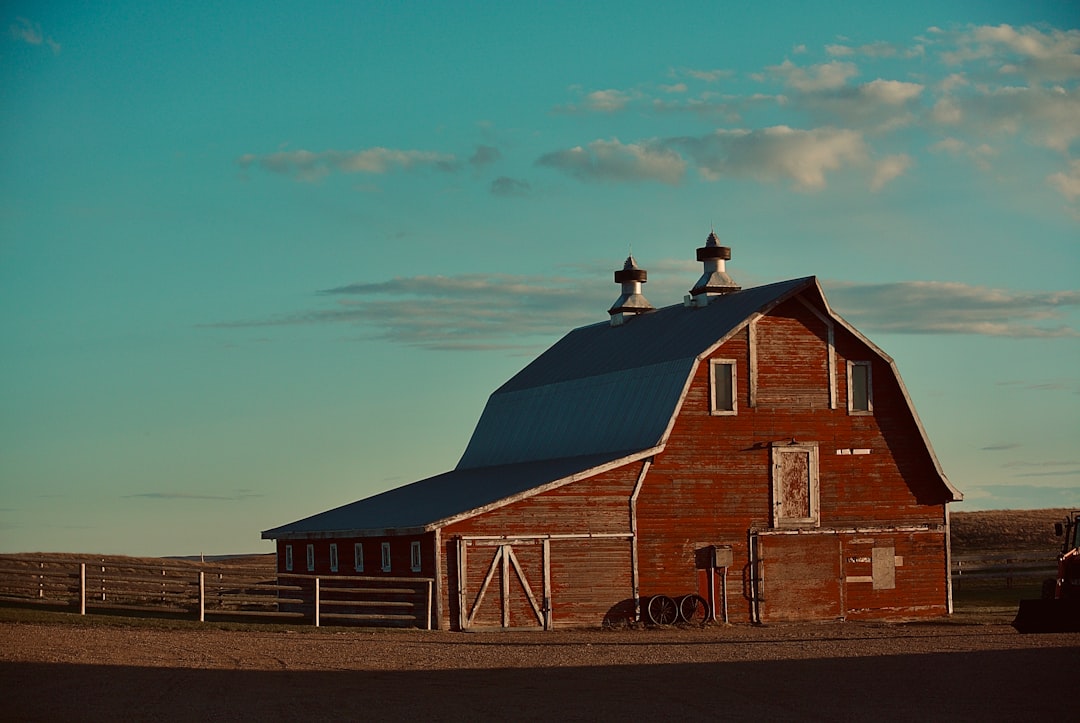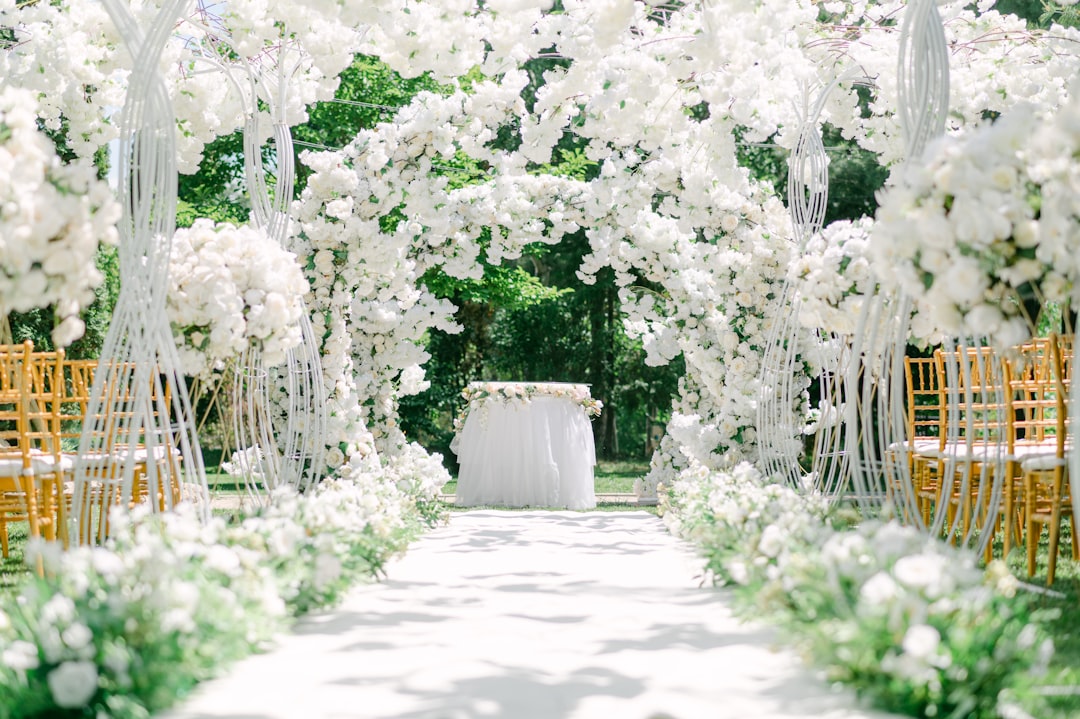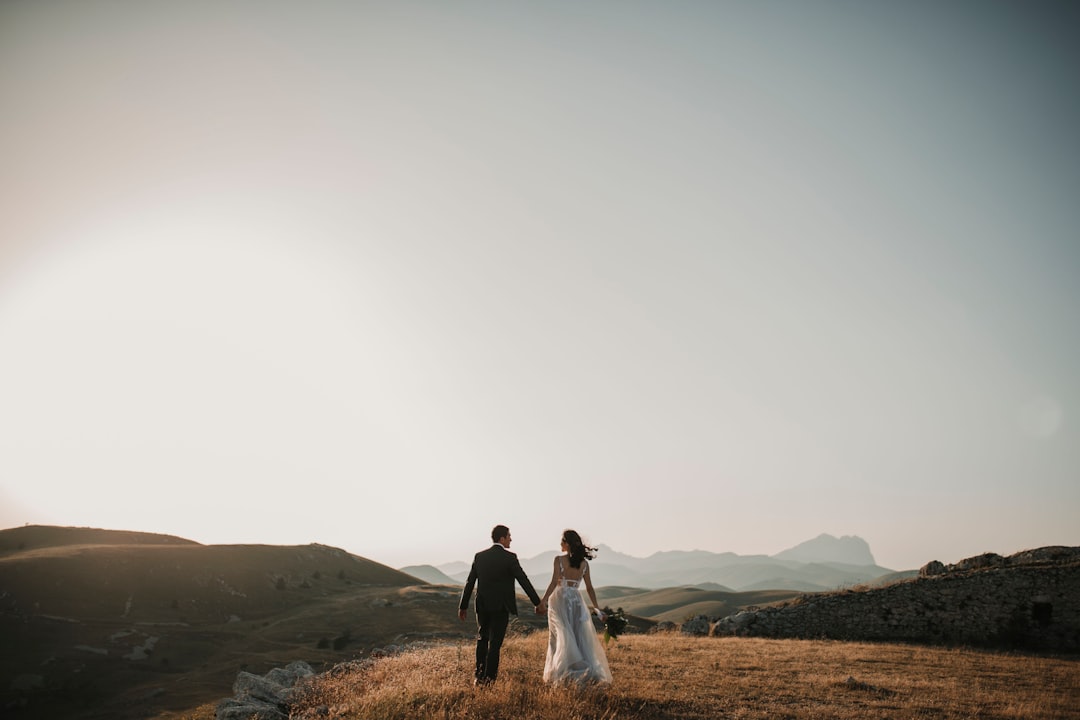

Exclusive use deserves precise questions rather than a general assumption. Ask whether the whole property is reserved for your party, which buildings and outdoor areas are included, and when the booking period begins. Early access can affect styling, supplier deliveries and preparation time. At a private Hunter Valley estate, established trees, open lawns and a lake may provide several ceremony locations, but each will feel different according to season, shade and walking distance. Walk the proposed route with the coordinator, noting slopes, steps, toilets and places where guests can pause. For couples considering a luxury wedding, these practical details matter as much as visual appeal.
The reception space needs to work as well as it looks. Trace the movement from ceremony to drinks, then from the terrace into dinner and dancing. Check where tables, service stations, toilets, entrances and entertainment will sit, since these details form the floor plan and affect how comfortably people circulate. If 80 guests are outside at sunset, find out where refreshments are served and whether the path remains easy to see after dark. Visit at a similar time of year if possible. The position of the sun, evening temperature and available daylight can alter the practical use of every area.
Accommodation can turn a wedding into a shared stay, particularly when the venue is in a rural location. Look beyond the advertised number of guests and check the actual bed arrangement, bathrooms, accessibility and suitability for children. A group of close family may enjoy staying together, whereas a larger party could need nearby guesthouses or hotels. Confirm whether rooms are included in the wedding price, charged separately or available only on particular nights. It is also worth asking who handles arrival information, keys, linen and cleaning. Add those details to the planning notes so nobody assumes another person has covered them.
Packages reduce the number of separate decisions, but the word luxury tells you little about what is actually included. Request a written schedule of costs covering furniture, staff, food, drinks, styling and hire items. Ask which menu changes carry an additional charge, whether the cake, celebrant and music are separate, and how the estimate changes if the guest count rises. A couple planning for 60 people should see the effect of inviting 15 more before signing. Keep the latest quote beside the draft guest list and mark each revision by date. This prevents an early estimate being mistaken for the final one.
Weather planning should describe an actual process, not simply promise flexibility. Ask whether the ceremony can move indoors, how quickly the room can be rearranged and where guests wait during a change. Caterers need covered access, musicians need a protected setup and guests need safe routes across wet or uneven ground. An outdoor terrace paired with an architecturally designed reception space may provide useful alternatives, but confirm who decides when conditions change and how much notice suppliers receive. Check whether photographs can still take place outside, and identify an indoor location for group portraits before the wedding morning becomes hectic.
The final comparison is between the atmosphere you want and the amount of coordination you are willing to manage. Some couples prefer separate caterers, stylists and transport providers; others want an organised package and one venue contact. Read the sample contract, fee schedule and timetable together, rather than judging a gallery alone. If privacy and time with guests are priorities, investigate the estate wedding setting alongside its accommodation, access arrangements and wet-weather plan. Record every agreed inclusion in writing, including timings, supplier access and cancellation terms, before committing. A suitable venue should feel natural from arrival to farewell.