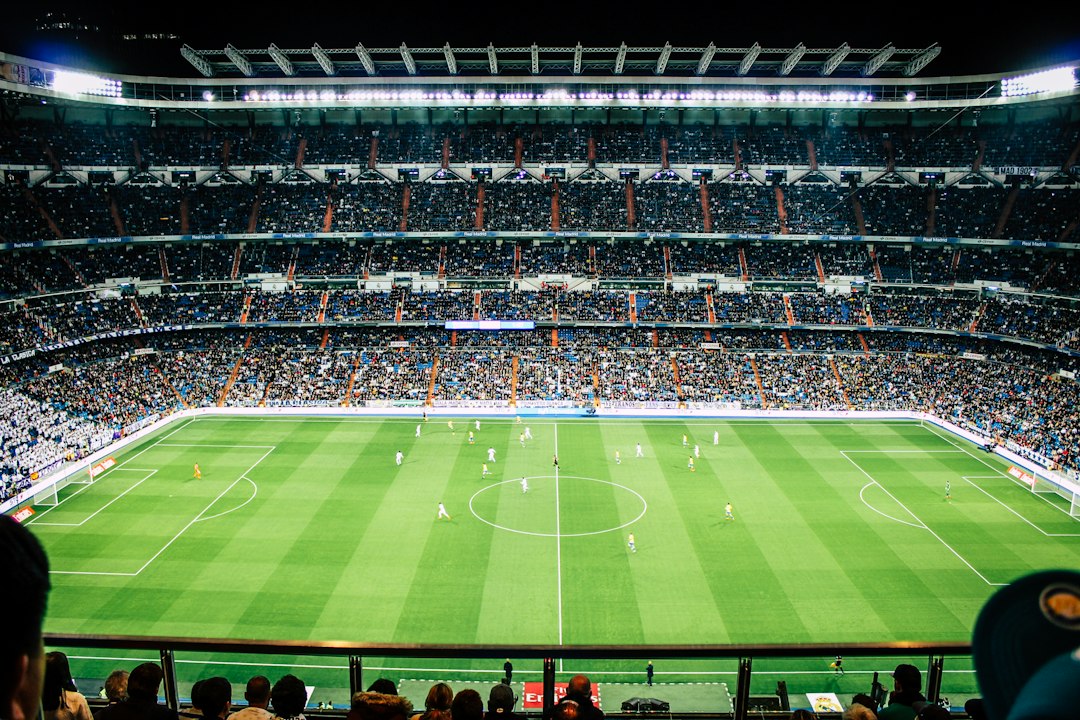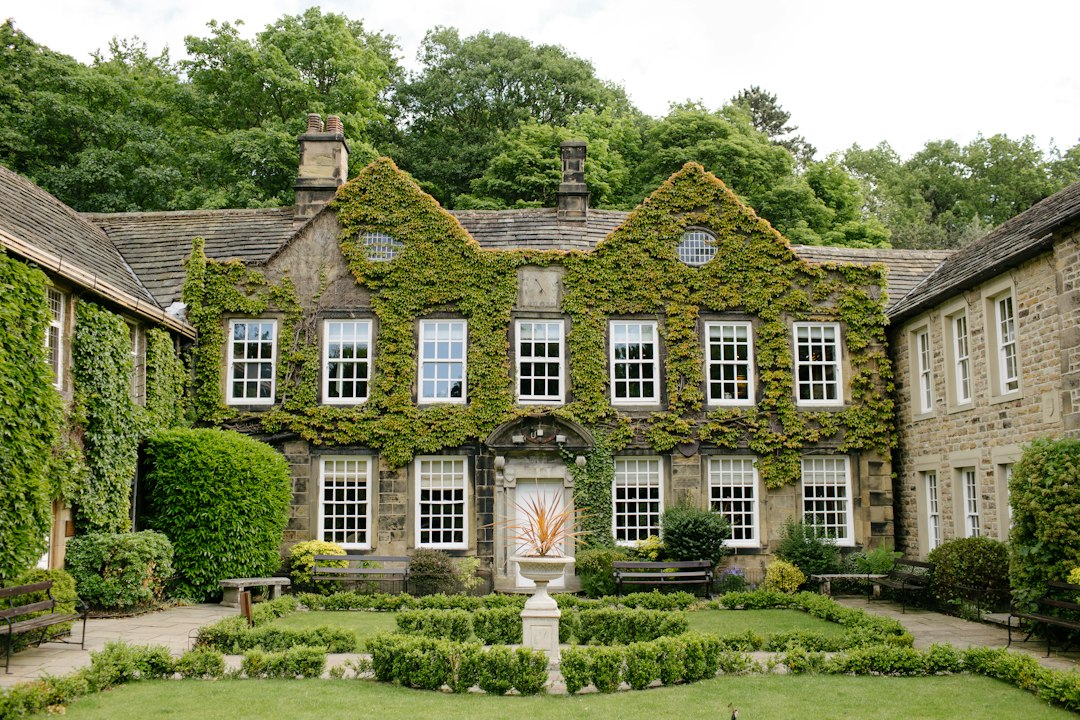

A sensible scheme starts with an assessment rather than a catalogue of fittings. Ask a designer to walk through the church during a service, rehearsal and, if possible, an evening event. They can record sightlines, mounting positions, cable routes and areas where glare may affect the congregation. A carefully developed approach to church lighting should explain the reasons behind each layer of light, from general illumination to focused light for the altar or pulpit. Request drawings, sample scenes and a clear description of how the design responds to the building’s character.
Light levels are not simply a matter of making every surface equally bright. Lux describes how much light reaches a surface, while lumens describe the amount produced by a lamp or fitting. A designer uses both ideas to balance reading areas with quieter architectural zones. Glare is unwanted brightness or reflected light that causes discomfort and reduces visibility; it can come from a fitting, a polished floor or a bright window. Shielded optics, careful aiming and suitable mounting heights can reduce it. In a small chapel, lower-output fittings positioned well may work better than powerful units scattered across the ceiling.
Colour needs equal attention. Colour temperature, measured in kelvins, describes whether white light appears warmer and more golden or cooler and bluer. Warm light may suit timber, stone and candlelit traditions, while a cooler appearance can help detailed cleaning or task work. Colour rendering tells you how faithfully the source shows hues, which matters when reading printed materials, viewing textiles or appreciating stained glass. Compare samples inside the church, not only in a showroom. A fitting that looks pleasant against a white wall may make masonry appear flat or skin tones look unnatural.
A useful design separates the church into controllable zones. One circuit might serve the nave, another the chancel, and others the vestry, entrance or external path. Dimming allows the same installation to support a quiet weekday prayer, a wedding and a concert without switching everything on at full output. Controls should remain understandable to volunteers: labelled scenes or a small number of dependable settings are often preferable to a complicated interface. Ask how emergency lighting, cleaning access and safe switching will be handled, and check that controls are located where authorised users can reach them.
Imagine a parish church hosting a Christmas service with a choir in the gallery and readers at the front. The right scheme can give the choir enough vertical light for faces and music, highlight the readers without casting harsh shadows, and keep aisles clear for movement. In a modern community hall used for worship, meetings and children’s activities, flexible zoning may matter more than architectural emphasis. During a lighting design consultation, describe these real events and ask the provider to demonstrate each scene. Their response will show whether they understand use, not merely appearance.
Compare providers by the questions they ask and the evidence they provide. Look for a written brief, measured drawings, product specifications, control logic, maintenance access and an explanation of how energy use is being considered. Confirm who coordinates with the electrician and who checks the installation after fitting. Ask about replacement lamps, cleaning, faults and future changes to seating or technology. A modest scheme with accessible fittings may serve the congregation better than an impressive arrangement that is difficult to repair. Choose the approach that protects the building’s character, supports its people and remains practical after the designer has left.