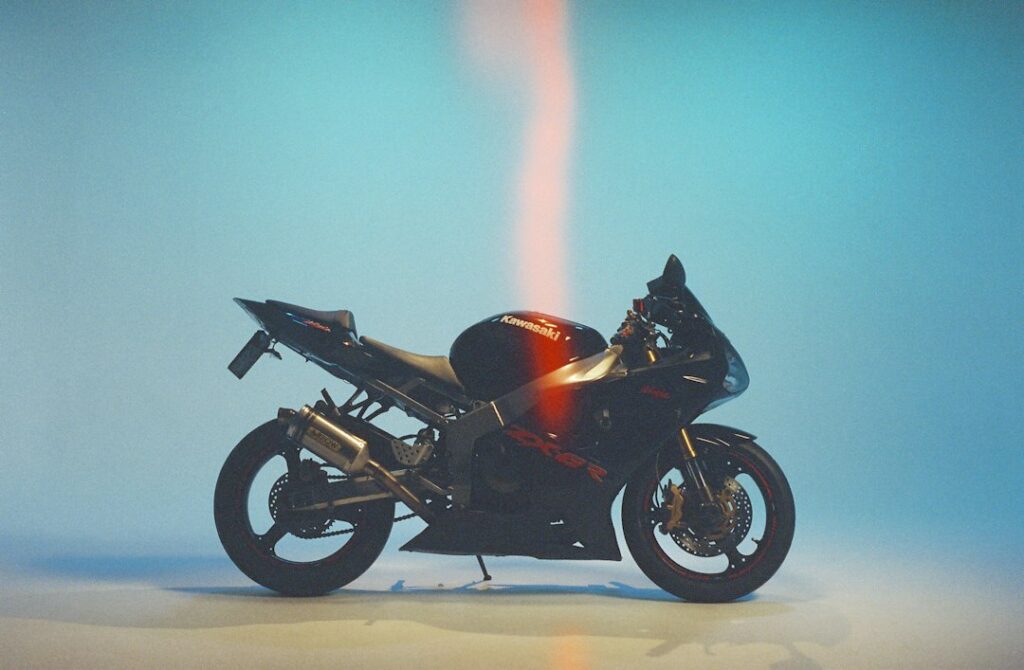

Self-guided does not mean unsupported, improvised or responsible for designing every kilometre yourself. It generally means following a planned route independently, with the freedom to choose your stopping points, pace and time for photographs. An itinerary can identify roads, overnight locations and principal stages without turning the trip into a group ride behind a leader. You can compare a new zealand motorcycle tour with your own riding preferences, then check the journey dates, daily distances, prices and inclusions. That approach is more useful than assuming the longest itinerary is automatically the most rewarding.
A route is more than a line between two towns because road type changes both timing and experience. Road hierarchy means distinguishing a direct main road from a slower scenic alternative, while also allowing for junctions, fuel stops, viewpoints and roadworks. Imagine leaving Rotorua after breakfast with Wellington as the planned destination. The distance might look manageable, but rain, traffic or a stop at a geothermal site could alter the afternoon. A sensible schedule leaves room for those choices. Before departure, check the next fuel opportunity and save the day’s route where it remains available if mobile reception becomes unreliable.
Weather is another reason not to treat a timetable as an unchangeable promise. Bright conditions on the coast do not guarantee the same temperature, visibility or road surface over a high pass. A weather window is simply a period that appears suitable for a particular section, not a guarantee of sunshine. Check conditions before setting off and reassess during a fuel stop. If a higher scenic road looks unsuitable, a lower route or a later departure may be wiser. Keep waterproof gloves and an outer layer accessible, rather than buried beneath clothing, so a brief change in conditions does not require unpacking everything.
Scenic riding is not automatically technically difficult, although unfamiliar bends deserve a measured approach. Camber is the slight slope across a road that helps water drain, and it can affect how a motorcycle feels through a corner. A decreasing-radius bend tightens after entry, so entering slowly and keeping a clear view is safer than matching the opening curve too quickly. Leave space from the centre marking, use a line that feels comfortable and avoid judging a bend solely by its first appearance. A relaxed pace can improve control while leaving more attention for changing surfaces, stock movement and other traffic.
Luggage and ferry arrangements deserve attention before the first morning’s start. Payload includes the rider, passenger, luggage and accessories within the motorcycle’s designed carrying capacity. Heavy items placed high can make low-speed manoeuvres and cornering feel less settled, so distribute weight carefully and secure every strap against wind. Keep rain gear and documents where they can be reached easily. If the journey includes an island crossing, read the booking confirmation for motorcycle check-in instructions and allow time for queues. Checking the reservation before leaving the hotel is simpler than searching through packed luggage at the terminal.
The clearest decision is to treat the journeys as different levels of commitment rather than a contest between destinations. A focused North Island or South Island trip may suit a limited holiday, while a longer itinerary can connect both islands and provide more varied scenery. Read the listed route, dates, price and inclusions beside your preferred daily distance and tolerance for changing weather. The information at independent riding guidance can serve as a practical framework, not a timetable that removes judgement. Leave enough flexibility for rest, photographs and sensible changes when the road or forecast calls for them.