
The label material is often called the face stock, meaning the visible layer that carries the printed design. Paper is usually suitable for many indoor products and packaging, especially where a natural appearance is wanted. Polypropylene and polyester are plastic-based options that can resist water, scuffing or tearing more effectively, although the right choice depends on the application. Consider whether the label will be handled frequently, stored outdoors, placed in a freezer or applied to a curved container. A supplier should be able to explain the trade-offs in clear, practical terms.
Adhesive is another decision that deserves attention. Permanent adhesive is intended to stay in place, whereas removable adhesive may allow a label to be taken off with less residue. Some adhesives perform differently on glass, coated card, untreated cardboard or textured plastic. Surface cleanliness matters too: dust, grease and condensation can prevent proper contact. For example, a candle maker selling jars at craft markets may need labels that adhere firmly to glass but still leave the container presentable if customers reuse it. Ask for advice based on the actual surface, not a general promise that the label will stick.
Shape and finish affect both appearance and production. A simple rectangle may use space efficiently and suit a barcode, ingredients panel or batch code. Rounded corners can reduce the chance of catching during handling, while a custom die-cut shape can help packaging stand out. Gloss coatings reflect more light and can make colours appear vivid; matt finishes are often easier to read under strong lighting. A laminate is a thin protective layer placed over the printed surface. It may help against rubbing or splashes, but it can alter the texture and should be tested before ordering a large quantity.
Artwork should be prepared with the printing process in mind. Bleed is extra background artwork extending beyond the cut line, helping prevent a narrow unprinted edge if the label is trimmed slightly off position. Safe space keeps important text and logos away from that edge. Small type, fine lines and pale colours should be checked at the final label size rather than only on a large computer screen. If a product needs a barcode, leave sufficient clear space around it and request a proof. A physical or digital proof gives the buyer an opportunity to catch wording, colour and layout errors before production.
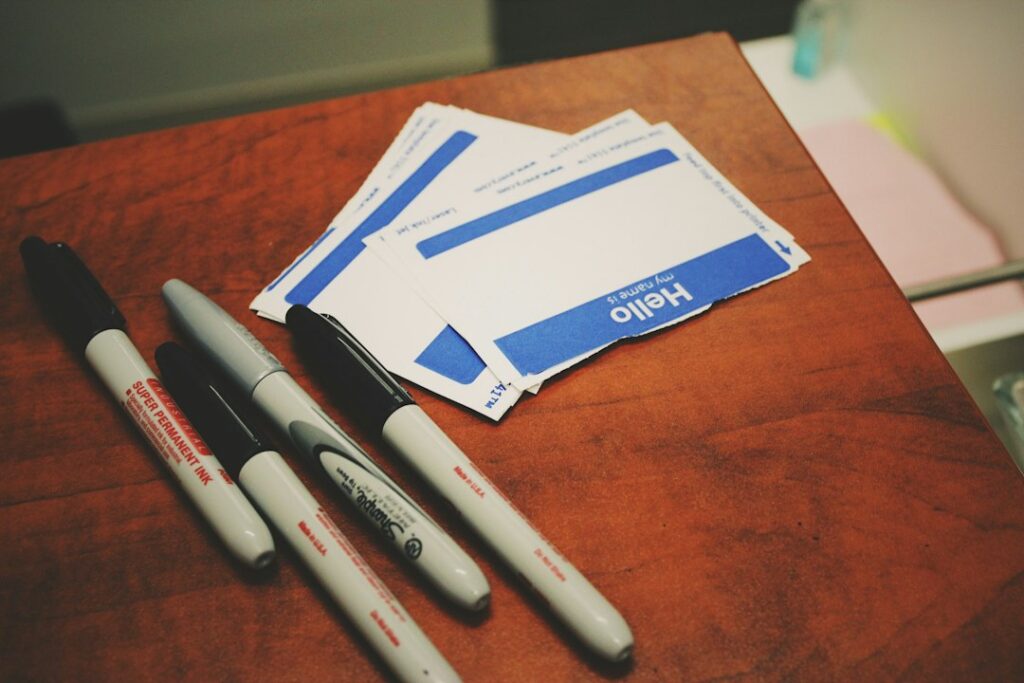
The volume and information required can change the most suitable approach. A local bakery ordering labels for one seasonal product may value a short run and quick artwork changes. A cleaning supplier with several bottle sizes may need consistent branding across multiple designs, plus space for codes or instructions. Variable data printing allows details such as serial numbers, dates or different names to change from one label to the next. If you are comparing printed sticky labels, ask how minimum quantities, repeat orders, file checks and colour matching are handled.
Provider selection should be based on communication as well as print quality. Request a clear quotation that states the material, adhesive, dimensions, finish, quantity and delivery expectations. Explain the intended use and ask whether samples can be assessed on the finished packaging. Check how corrections are approved, because a low initial price is less useful if unclear artwork responsibilities cause delays or waste. A supplier offering label printing services should be able to discuss practical alternatives without forcing one specification. The sensible choice is the approach that fits the product, environment and repeat-order plans.