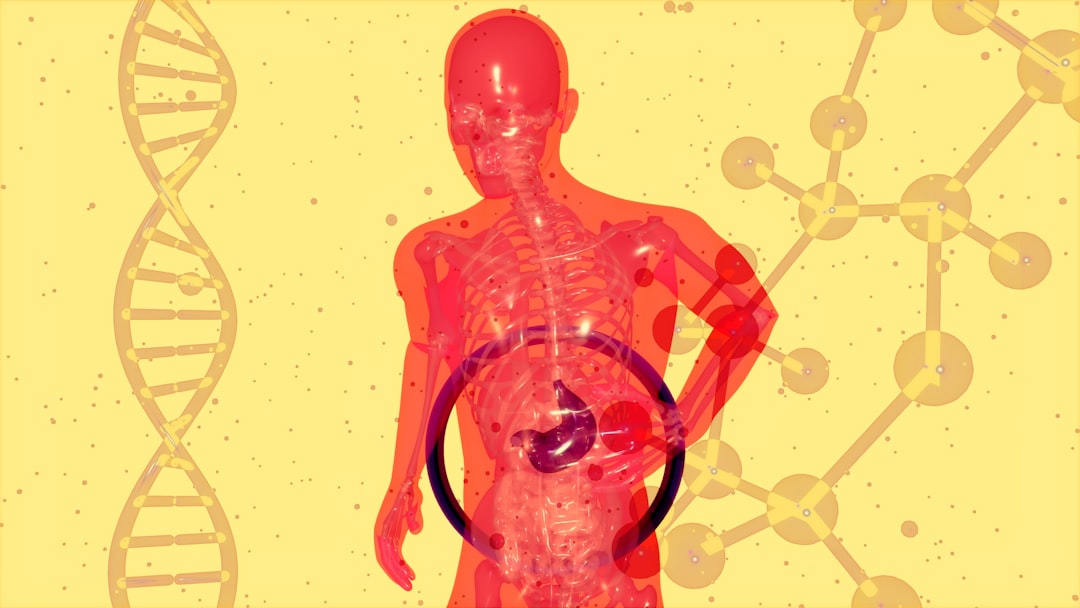

THC, or tetrahydrocannabinol, is the main intoxicating compound in cannabis. The body processes an edible through digestion, followed by processing in the liver, rather than sending inhaled compounds directly through the lungs. The experience can therefore feel different from smoking or vaping and may last longer. CBD may appear on the same label. It is not generally intoxicating in the same way as THC, but its presence does not remove the effects of THC. Terms such as full spectrum and isolate describe the product’s composition, not a promise about strength, comfort, or suitability.
Timing is the detail that causes the most avoidable mistakes. An edible may take longer to produce noticeable effects than a person expects, and the delay varies with factors such as food in the stomach, metabolism, body size, and previous exposure. Onset means the point at which effects become noticeable; duration means how long they remain noticeable. A practical habit is to write down the time the serving was taken, especially if friends are sharing a meal and conversation makes the clock easy to forget. Avoid treating a quiet first hour as evidence that the dose failed.
A person with little or no prior experience should be especially cautious with a clearly measured, lower dose. Taking a whole 20 milligram brownie, waiting 30 minutes, and then eating another piece can result in both portions becoming active later. The brownie may look small, but its physical size says nothing about its THC content. Read the serving directions before opening the package, set aside the remaining pieces, and wait through the product’s expected onset window before considering more. This simple process prevents a common error: assessing the first portion before the body has had time to absorb it.
The setting matters as much as the arithmetic. Use an edible only where you can remain safe and undisturbed, with no driving, cycling in traffic, machinery, childcare duties, or important decisions afterward. Alcohol can make impairment and unpleasant effects less predictable, so combining the two is a poor test of personal tolerance. Keep water available and tell a trusted person what was taken if you begin to feel unwell. Effects can vary from one occasion to the next, even for someone who has used cannabis before, so a familiar product is not a reason to ignore the label.
Product inspection should happen before the package is opened. Look for a readable ingredient list, a stated THC amount per serving, the total THC amount, a batch or lot identifier, and manufacturing or expiry information where applicable. Check that the serving marks match the written instructions, particularly on bars that are scored into squares. A bar marked into ten sections is easier to portion than one that lists only a total amount. Readers comparing THC Edibles should still review the actual package rather than relying on a product name, a photograph, or a seller’s general description.
Storage is part of responsible purchasing, not an afterthought. Heat, light, and moisture may affect product condition, while ordinary looking sweets create a serious risk if children or pets can reach them. Keep the package sealed, separate from everyday food, and stored according to its instructions. Returning it to the same labelled container after use is a small habit that prevents confusion later. A product described as craft cannabis or containing CBD still needs the same precautions. Buyers seeking lab tested cannabis edibles should also verify the information supplied for the specific item and not assume that a broad category guarantees uniform content.
Price comparisons are meaningful only after serving sizes are aligned. Compare THC per serving, the number of servings, ingredient information, portion marks, and label clarity rather than using the total package price alone. Availability, possession rules, age requirements, and transport restrictions differ by location, so check current local requirements before purchasing or carrying cannabis. If someone develops severe distress, confusion, chest pain, breathing difficulty, or cannot be roused after consuming an edible, seek urgent medical help and provide the package or label information to responders.