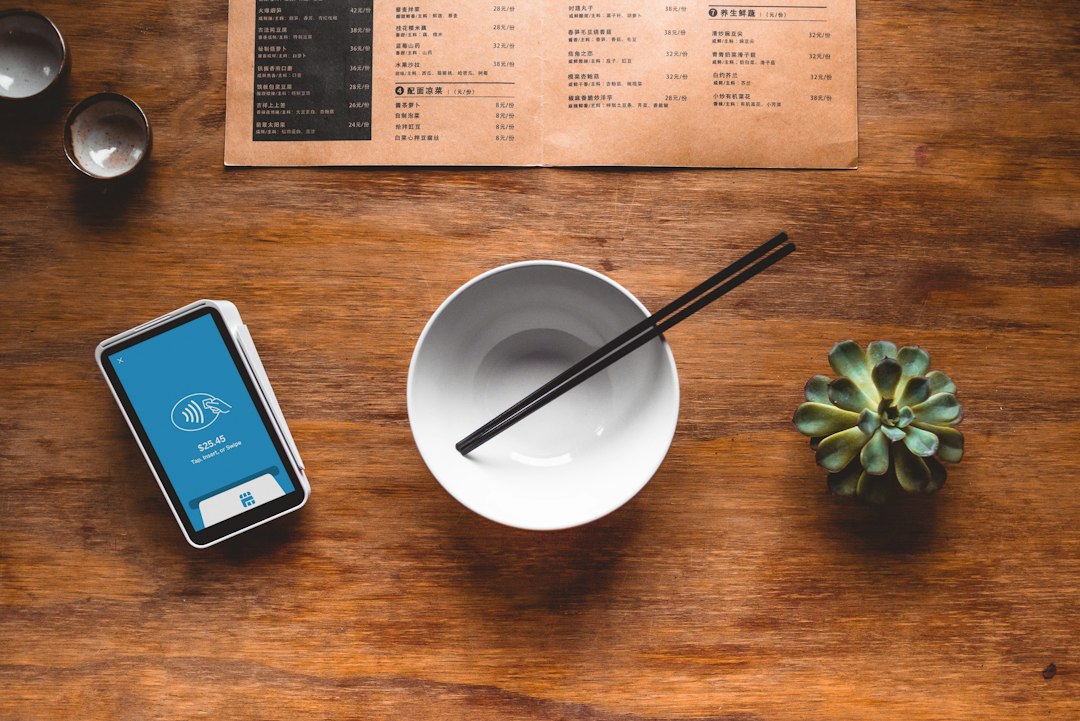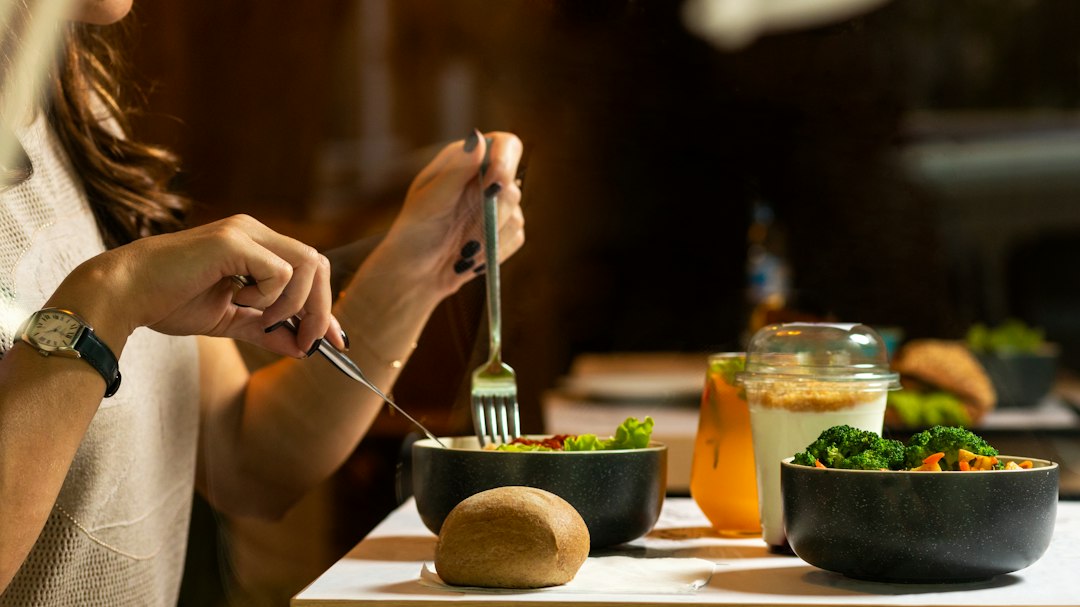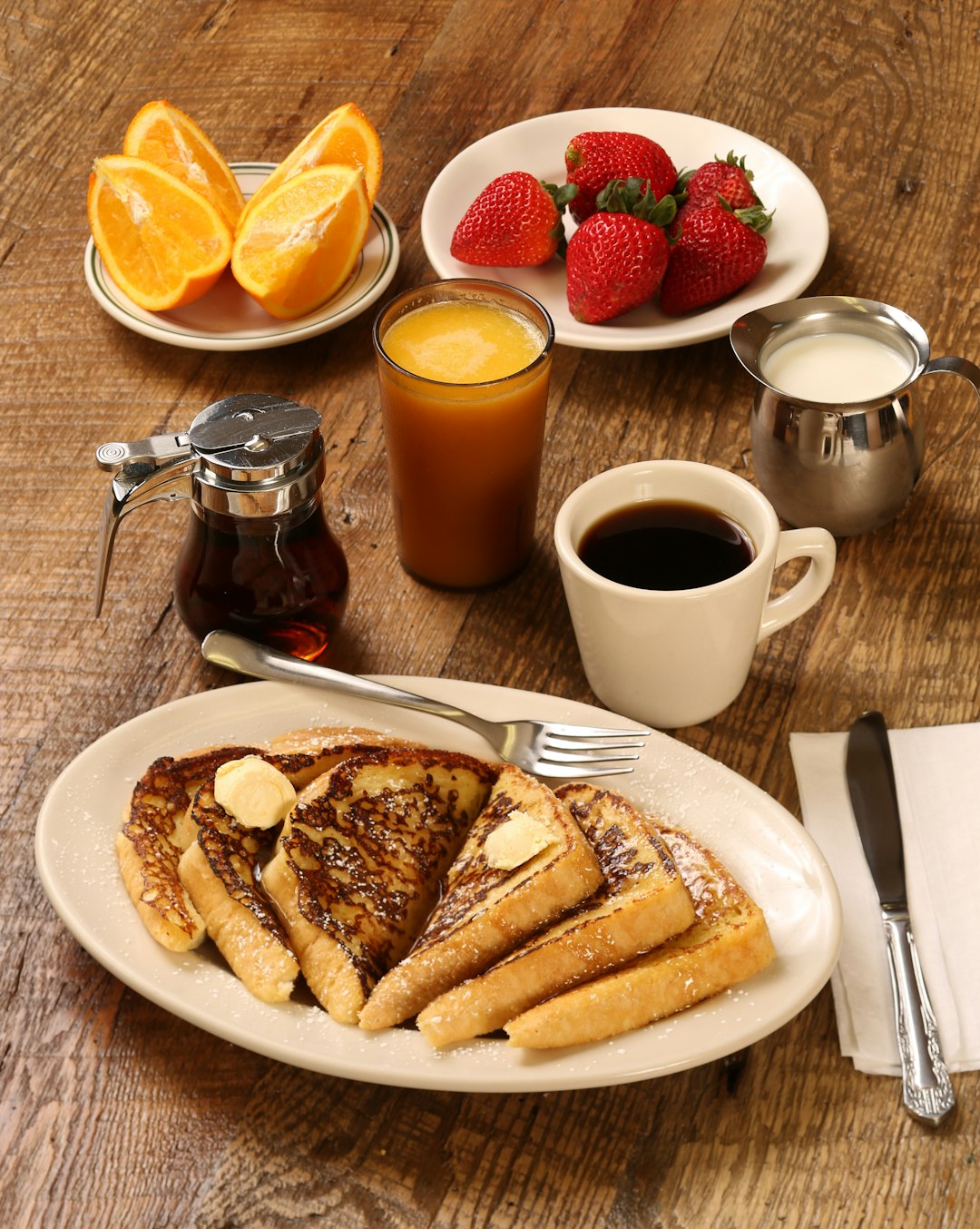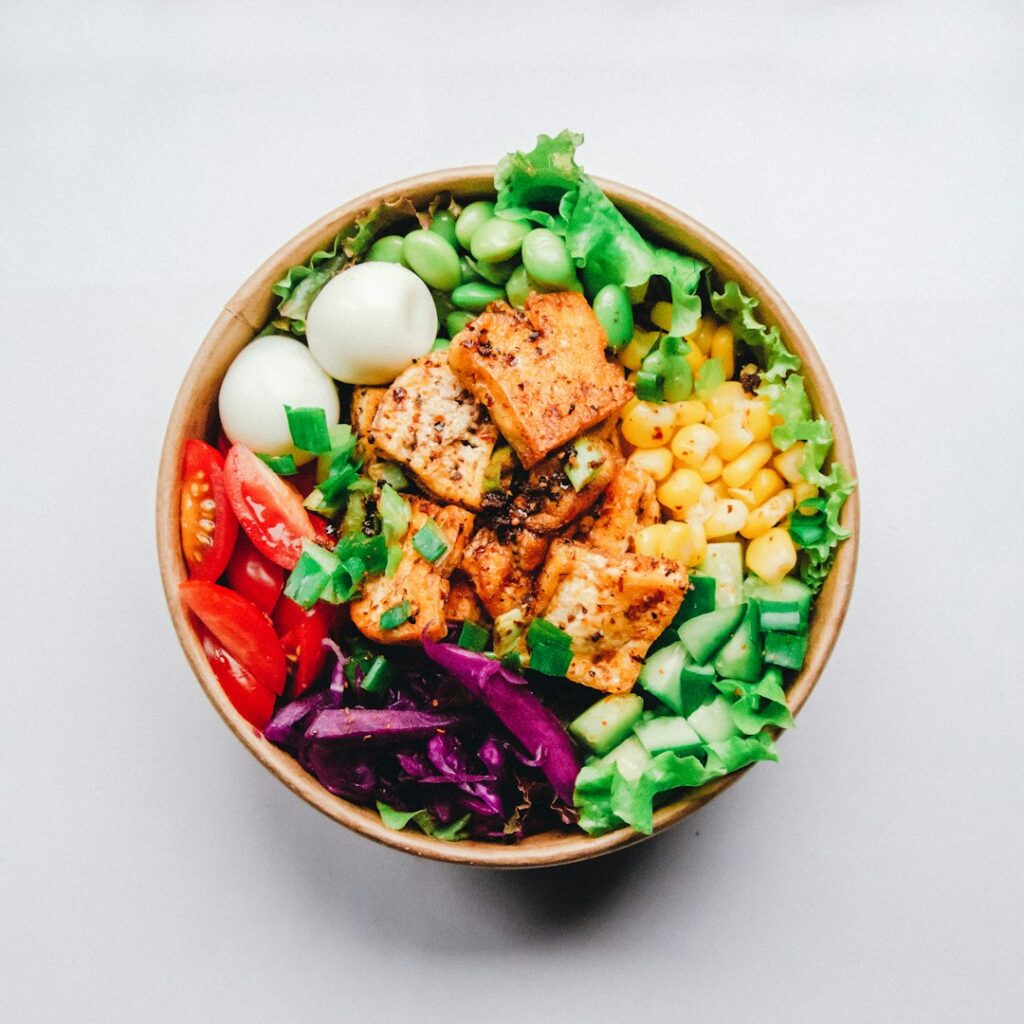

A short visual brief gives the crew something more useful than a vague request for an appetizing image. It can specify orientation, serving size, surface, background color, mood, and the location of negative space. Negative space is the open area reserved for type or labels, not simply an empty part of the frame. A bowl for a homepage banner might sit to the left with room for a headline, while a package panel may call for a centered view. The photographer should mark those variations on the shot plan before the food is plated, since fragile ingredients rarely wait patiently while decisions are made.
Lighting needs its own plan. A large diffuser can soften shadows and produce a broad, gentle source, while a flag blocks light from a selected area. A glossy sauce may need a flag positioned beside it so the reflection stays controlled without stripping away its wet appearance. Color temperature also deserves attention. Warm and cool light can make a white plate or neutral background appear inconsistent, especially when daylight mixes with studio fixtures. The crew should settle on one controlled lighting approach, then check a gray card or other reference during the set rather than trusting memory from one exposure.
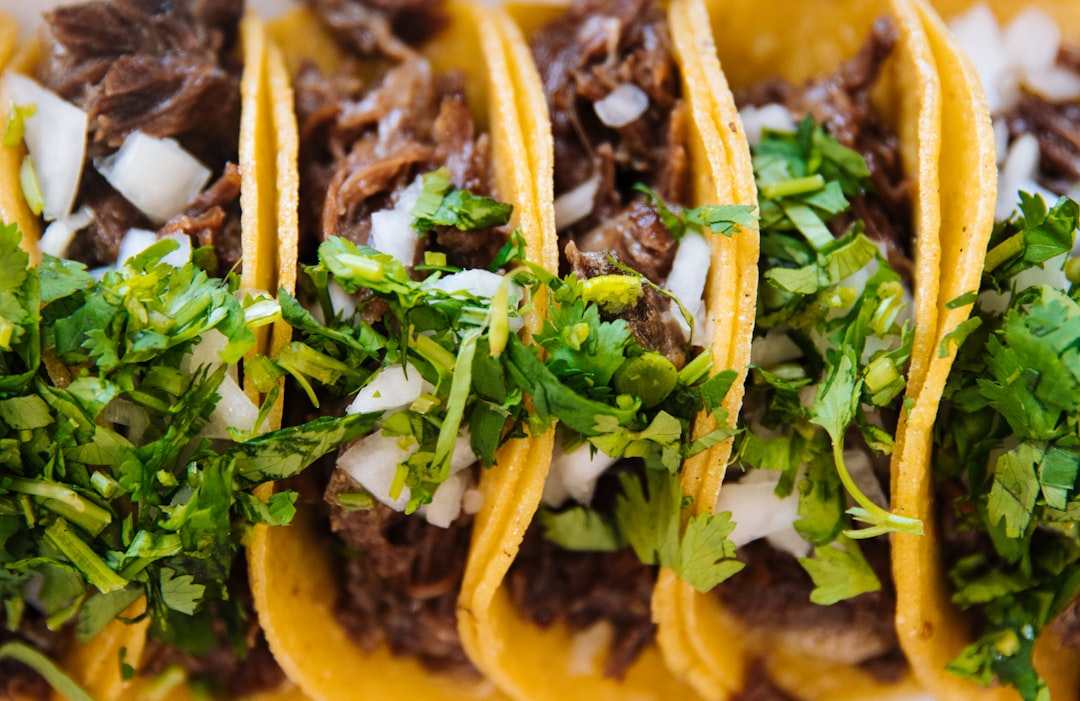
The camera position and depth of field should serve the product, not a fashionable look. Depth of field describes the range that appears acceptably sharp. A shallow setting can isolate a spoonful or emphasize a close texture, but it may leave important layers soft. A deeper setting is often safer for a sandwich, stacked dessert, or dish with several readable ingredients. During a low angle test, the front layer of a dessert may hide the texture that makes it appealing. Small adjustments to camera height, lens position, and plate rotation can reveal that detail without rebuilding the entire scene.
Tethered shooting makes those decisions easier to evaluate. Each exposure appears on a larger monitor, where the stylist and client can inspect a soft edge, stray crumb, uneven drizzle, or distracting reflection while the set remains assembled. A camera preview can hide problems that become obvious at final size. One practical habit is to pause after the first approved frame and record the camera height, lens, plate position, and key garnish locations. A quick phone photo of the set can also preserve the arrangement before anyone moves a prop for the next angle.
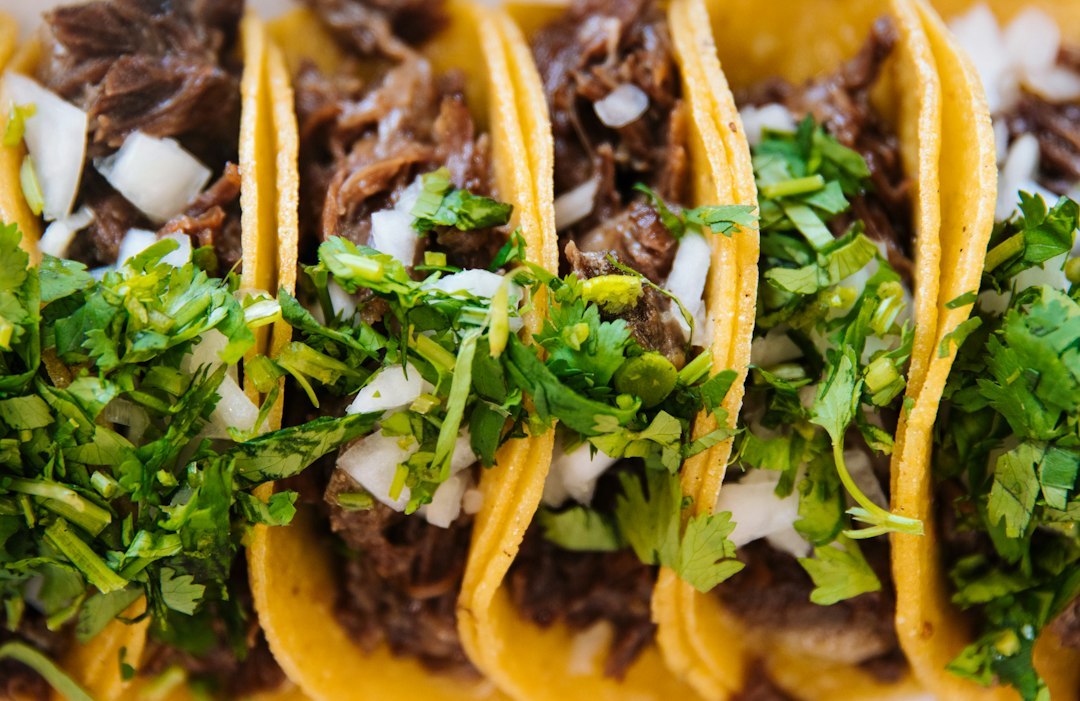
Styling has to balance appetite with an honest representation of the food. A burger may be opened slightly to show its layers, but excessive height or hidden supports can create an image that fails to guide packaging or customer expectations. The team should agree on what must remain true and what can be adjusted for presentation. A clean rim, deliberate sauce placement, and fresh herbs usually matter more than adding decorative elements. Before changing the plate, the stylist can check the shot list and mark which components must remain continuous across front, overhead, and detail views.
The handoff should be considered before the final exposure. Selected files need enough resolution for their intended placement, consistent color, and clean edges where a designer may isolate the subject. A color-managed workflow helps keep the display, editing software, and exported file in closer agreement, though print and screen can still differ. File names should identify the product, angle, and orientation instead of relying on camera sequence numbers. That discipline is part of commercial food photography: the useful result is not just a beautiful frame, but a set that can move through design, approval, and production without avoidable confusion.