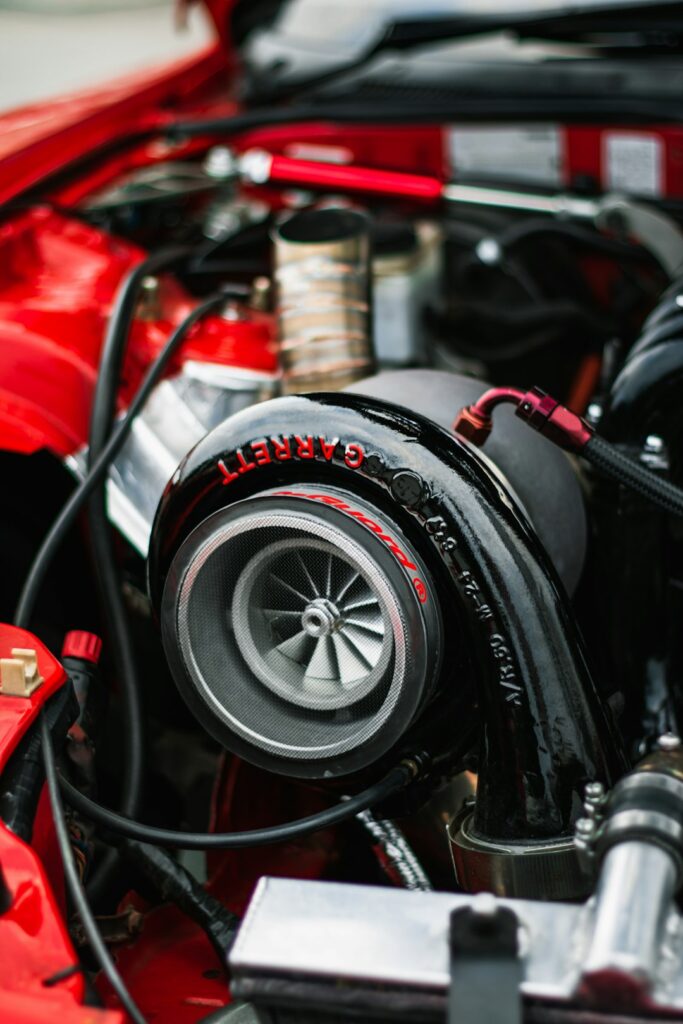

Boost leaks also sap performance. A cracked intercooler hose or loose clamp might seem minor, but it can cause a noticeable drop in boost pressure and throttle response. It’s worth setting aside time to check every hose, coupling, and clamp in the intake tract. Tightening clamps with a torque wrench rather than guessing by feel helps prevent leaks from reappearing later.
Heat management is another area where these turbos can falter if ignored. Excessive exhaust or compressor housing temperatures risk compressor surge or worse. After installing the turbo, make sure you have an efficient intercooler setup and maintain good airflow around the turbocharger itself. Some mechanics install heat shields or thermal wraps on the turbine housing to keep surrounding components safe.
Tuning is often overlooked but critical for G Series II turbos. A stock engine management setup won’t extract their full potential and can even cause knock or hesitation under boost. It’s common to see users either run too rich or too lean without realizing it. Getting a professional tuner who understands these models is a smart move. They’ll adjust fuel maps, ignition timing, and boost targets based on real-world data rather than guesswork.
Another detail many miss is checking the wastegate operation. If the wastegate actuator isn’t set correctly or the linkage binds, boost control becomes unpredictable. This leads to inconsistent performance and can stress the turbo unnecessarily. Regularly testing actuator movement and ensuring smooth linkage travel prevent headaches down the line.
For anyone wanting deeper technical info, HPT Turbos offers detailed specifications and application notes on each model variant. Their data sheets help clarify which turbo fits specific engine setups and what performance to expect.
Staying current with turbo tech also helps keep your G Series II running well. These units feature improved aerodynamics over earlier models, which means faster spool without losing top-end power. Following community forums and technical bulletins can reveal useful tips like preferred oil brands, common upgrade parts, or effective cooling mods.
If you want to explore broader turbo options or maintenance advice, check out turbocharger performance tuning tips. The site has practical articles that cover installation tricks, common pitfalls, and how to avoid costly mistakes.
Experience shows that consistent inspections and proper tuning keep Garrett G Series II turbos reliable and responsive. Small habits like verifying oil feed integrity, tightening clamps carefully, and monitoring wastegate function save time and money over repeated rebuilds. These turbos reward those who respect their needs with strong performance gains.