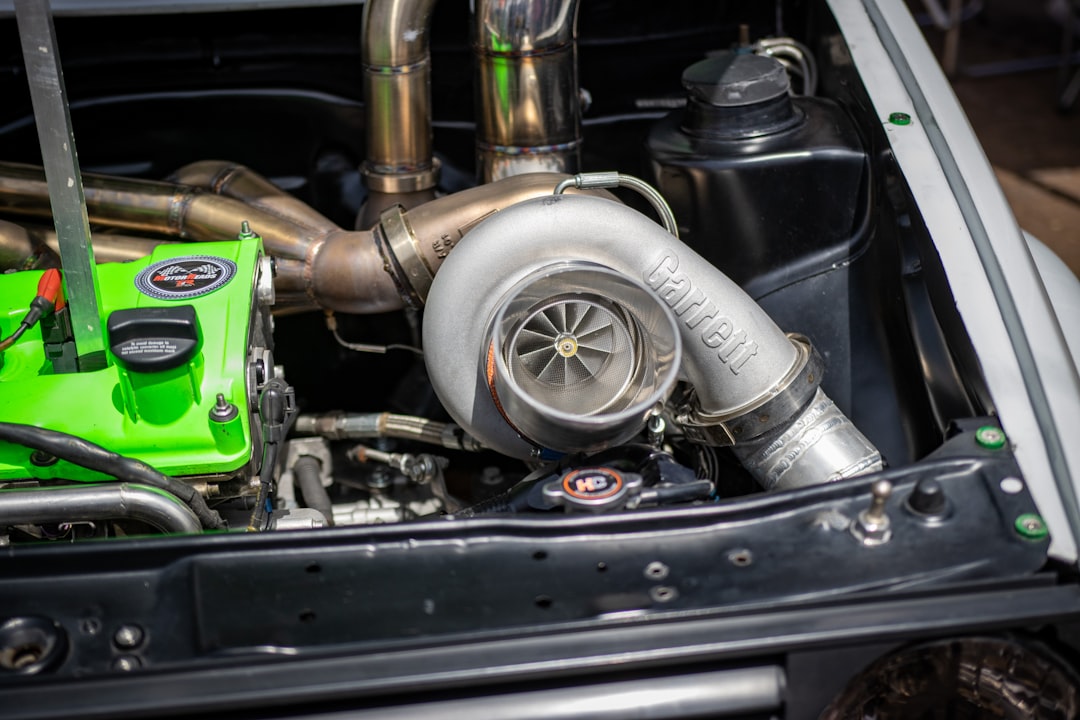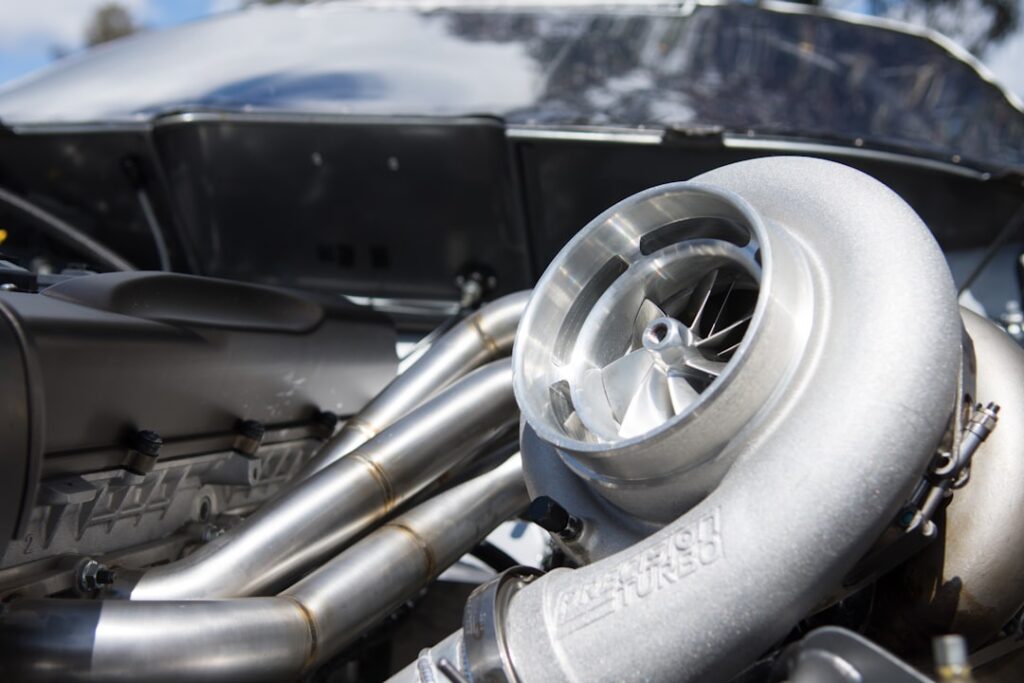

Turbo response often makes or breaks the driving experience, especially on the track. These newer turbos use ball bearing systems instead of traditional journal bearings, cutting spool time significantly. That means less lag when you hit the throttle, so your car accelerates faster. If you’re building a powerful street car, picking a turbo that spools quickly but still supports high horsepower is vital to avoid frustrating delays.
Picture getting ready for a track day. Your engine will be running at high RPMs for extended periods. Next gen turbos tackle heat buildup with improved cooling passages and redesigned turbine housings to dissipate heat more effectively. This reduces the risk of heat soak, which can cause power drops and damage over time. It’s a practical upgrade if you push your car hard on weekends or compete regularly.
Choosing the right turbo size is a balancing act. Larger turbos deliver more peak power but tend to spool slower, hurting low-end throttle response. Smaller units spool fast but might hit their power limit early. Next gen options, like the next gen 5658, offer a middle ground tailored to various builds. It’s common to see customers confused by conflicting advice on size, so it helps to test fit and check compressor maps carefully before buying.
Modern turbos also often feature variable geometry technology, which adjusts vane angles inside the turbine housing in real-time. This lets the turbo optimize boost pressure across different engine speeds. The result is strong torque at low RPMs without sacrificing power at higher revs. Drivers notice smoother acceleration and less need to downshift aggressively, which makes daily driving less taxing while still offering track-ready performance.
Beyond just the turbo itself, compatibility with other components matters. Matching your turbo with the right intercooler size and an efficient wastegate prevents boost creep and helps maintain consistent air temperatures. It’s common for installers to overlook this and end up chasing strange boost spikes or heat issues post-install. Taking time to assess your entire intake and exhaust system ensures the turbo works as intended.
Many tuners keep a detailed logbook or build sheet to track parts used, boost settings, and any tweaks made during dyno sessions or track runs. This habit saves hours later when diagnosing performance issues or planning upgrades. A small detail like verifying flange sizes before ordering can prevent costly returns and delays.
If you want more detailed guidance on turbocharging setups and related parts, check out custom turbo upgrade options. They offer resources that cover everything from basic bolt-ons to advanced builds, helping you avoid common pitfalls.
Next generation turbos bring thoughtful engineering that suits serious builders aiming for quick spool, sustained power, and reliability under stress. They’re not just about bigger numbers but smarter designs that keep your engine healthy while delivering real-world performance gains.