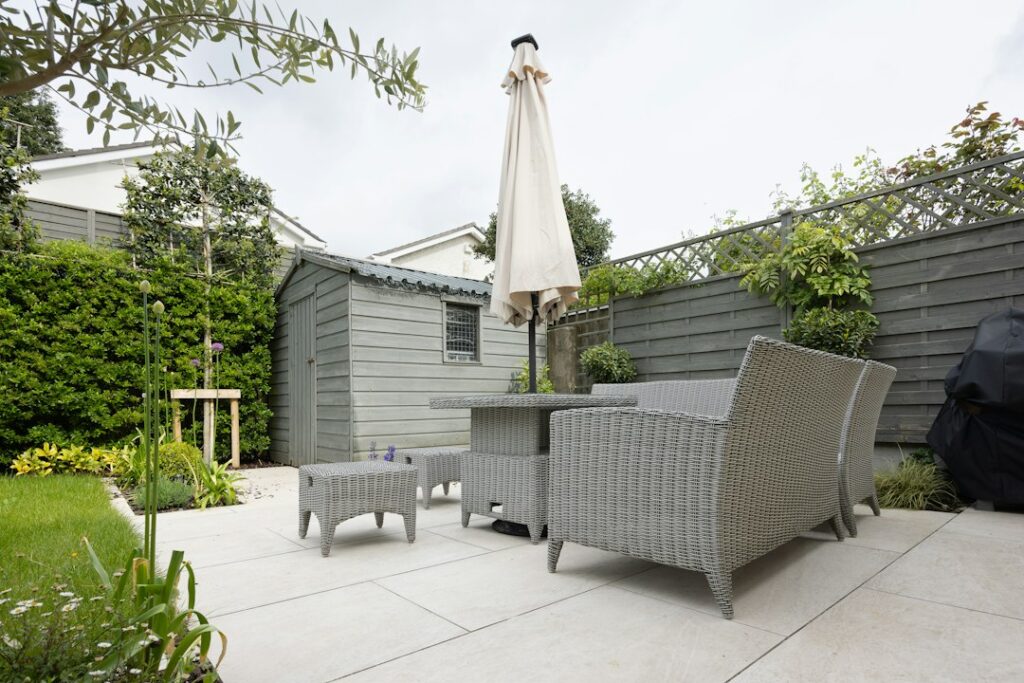

Electric, gas, and wood fired heaters suit different patios and different habits. Electric models can be convenient for a defined seating area because they start with a switch, provided the available electrical supply and installation arrangements are suitable. Gas appliances may be considered for more open spaces, while wood burning equipment brings a visible fire and requires fuel storage, ash removal, and careful supervision. Before requesting a quotation, review practical outdoor patio heating ideas and take a few photographs of the patio. A provider can then discuss realistic options rather than making a recommendation from a vague description.
The way heat travels is central to the decision. Radiant heaters send warmth directly towards people and nearby surfaces, so they can remain useful where moving air would carry warm air away. Convection equipment warms air that circulates through the room, which may suit a partly enclosed area but can feel less effective in a breezy location. Ask which method a proposed appliance uses and what affects its useful coverage. A heater above a small lounge may work well from a single position. A long dining table may need more deliberate placement so that the ends do not sit outside the main heated area.
Numbers on a specification sheet need context. Electric heaters are commonly rated in watts, describing electrical power use rather than promising the same comfort in every weather condition. Gas appliances may be rated in BTUs, which describe heat energy. A larger figure is not automatically the better purchase. Wind, wall positions, ceiling height, the distance between the appliance and guests, and the material of the surrounding structure can all affect how the heat is experienced. A sensible installer should relate the rating to your layout. Ask for the proposed mounting position to be marked on a plan or photograph before ordering, especially if the patio has several seating zones.
Placement affects safety, comfort, and the finished appearance. Clearance is the required separation between the appliance and combustible items such as timber, fabric, dry leaves, screens, or stored cushions. An installer should inspect overhead beams, walls, furniture, doors, and the route for electrical cables or gas connections. Keep walkways clear and consider where a person will stand while serving food or carrying a hot tray. For a covered patio, check the appliance instructions for ventilation requirements before selecting fuel burning equipment. A roof and side screens can change the conditions significantly, so an enclosed pergola should not be treated like an open lawn.
Electrical protection deserves a close reading of the product documents. An IP rating indicates protection against solid objects and water, with separate digits describing different forms of protection. It does not mean the heater is suitable for every exposed position or that it can be ignored during severe weather. Check the manufacturer’s installation instructions, the location of outlets, and how the unit should be isolated for cleaning or long periods without use. A qualified electrician can confirm whether the proposed circuit and switching arrangement are appropriate. A timer or thermostat may reduce unnecessary operation, while a simple manual switch can be adequate for occasional gatherings.
A useful quotation should describe more than the appliance price. Ask whether delivery, mounting, electrical or gas connection, commissioning, and operating instructions are included. Confirm what preparation you must arrange, such as access to a ceiling, a suitable wall, a clear cable route, or a stable base. Keep the heater manual and installation record with other household documents so future maintenance does not depend on memory. It is also worth checking the data plate after installation and photographing the control layout. That small habit helps a family explain the system to guests and gives a technician accurate information if a fault appears later.
The right arrangement should fit the way the patio is actually used. A household that hosts a winter barbecue once a month may value quiet electric control and minimal preparation. Someone who entertains weekly may give more weight to fuel storage, visual impact, or the atmosphere of a fire, provided the site can accommodate those demands safely. Before work begins, sit in the usual chairs after sunset and identify cold spots, glare, access routes, and views that should remain clear. For further patio heater planning, take those observations to the provider along with the patio measurements and the relevant product instructions.