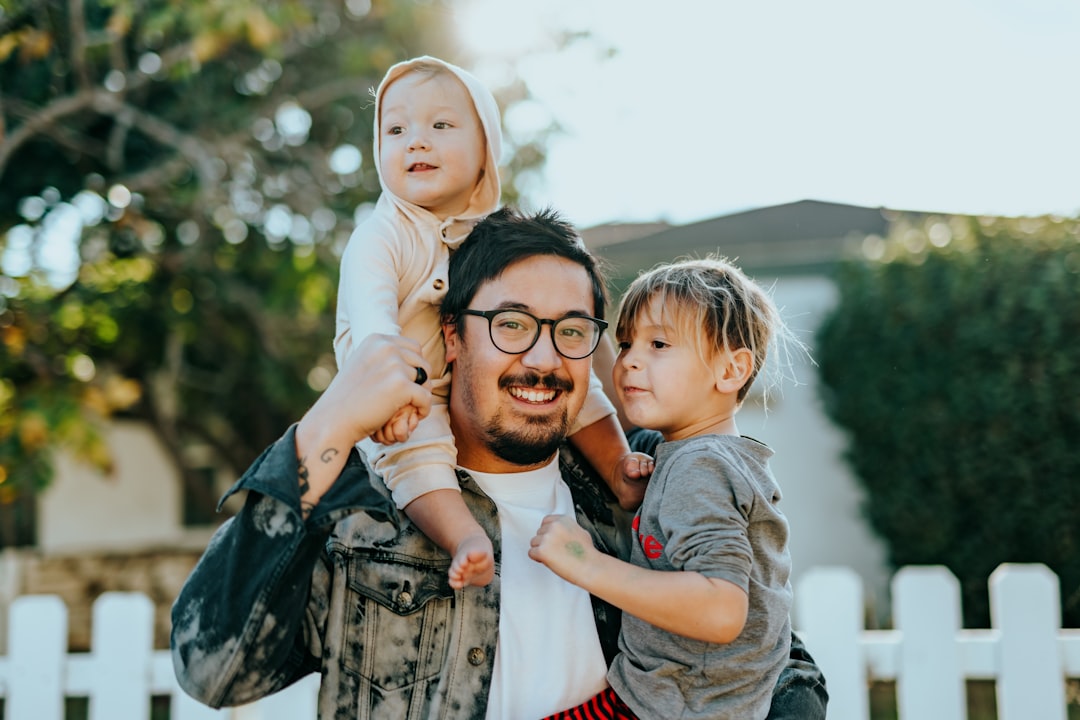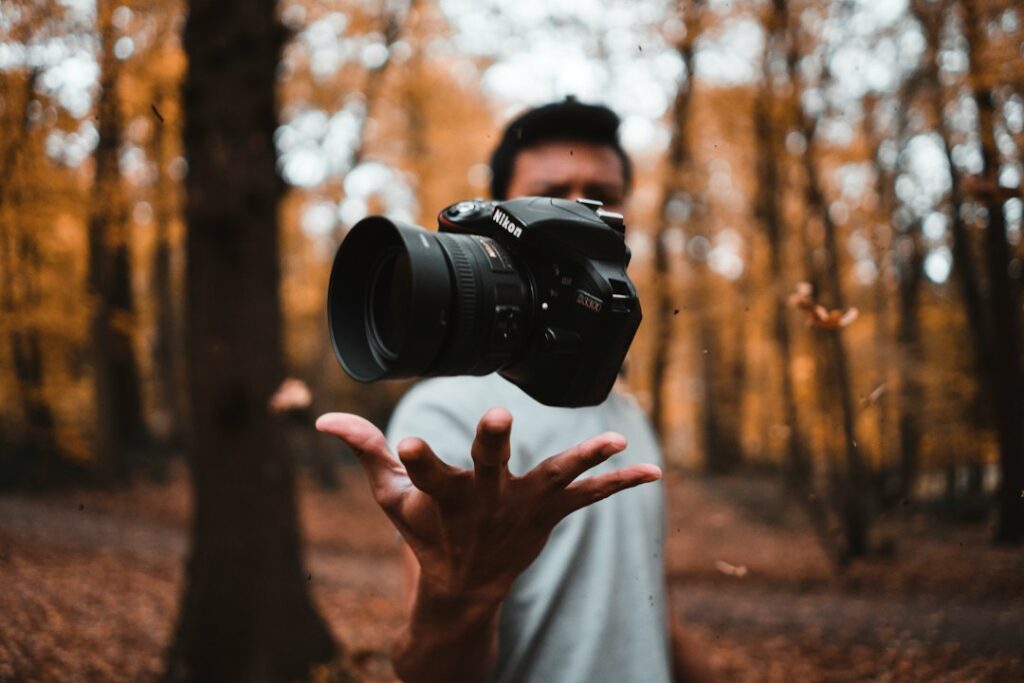

A headshot and a publicity image overlap, but they serve different jobs. A headshot usually centers recognition, expression, and a clean presentation for a bio or casting profile. Publicity work can suggest a character, release, performance, or point of view in a single frame. An actor promoting a restrained drama might need quiet direction and controlled shadow, while a comic may need open posture and a more spontaneous expression. The goal is not to manufacture a mood. It is to make the intended mood legible. One purposeful setup often serves a campaign better than a large set of nearly identical smiles.
Preparation starts with a brief that names the project, audience, wardrobe boundaries, approved talking points, and likely image formats. It should also state whether the assignment calls for a clean portrait, environmental photographs, or both. A publicist may have a one-sheet or media request that reveals the required orientation and available copy space. Reviewing that document before the session prevents a vertical image from being the only option for a wide layout. If the subject has reference images, a location contact, or a tight publicity schedule, those details belong in the planning conversation rather than in a rushed message on the morning of the shoot.
Location work brings useful context but also practical distractions. A rehearsal room can make a musician’s portrait feel credible, yet cables, mirrors, harsh overhead fixtures, and crowded walls may compete with the subject. A short scout, video walkthrough, or set of phone photographs lets the photographer identify clean backgrounds and decide where equipment can stand. Lighting choices then become more deliberate. A key light defines the face, while fill controls the depth of the shadows. Outdoors in Los Angeles, changing sun and cloud cover can alter exposure quickly, so controlled flash may help keep a series consistent.
Lens selection affects both the person’s appearance and the amount of setting included. A longer focal length often gives a compressed view and a flattering perspective, while a wider lens records more of the room but can exaggerate features near the edges. The right choice depends on the assignment. A venue portrait may need enough background to establish place, while a cover-oriented frame may require a tighter composition with clear space for type. Mixed light deserves attention as well. A warm interior lamp beside a cool window can shift skin color unevenly unless the sources are balanced or deliberately used.
Direction should remain specific without forcing a performance. Rather than repeating vague instructions such as look natural, a photographer can adjust the subject’s stance, eye line, hands, or distance from the background and then make small changes between frames. Wardrobe is worth checking in the mirror before shooting because shiny fabric, tight patterns, and hidden microphone packs can create distractions that are difficult to remove later. Retouching should address temporary blemishes, stray distractions, and minor clothing problems while preserving texture and recognizable character. Excessive smoothing may make an image less believable, especially for editorial use.
File delivery is part of the assignment. The client should know how proofs will be presented, who selects the final images, which crops will be supplied, and whether retouched files arrive in print and web sizes. Dynamic range describes the detail retained between bright highlights and dark shadows, so a photographer may have more flexibility with a backlit portrait, but careful exposure still matters. Review complete sessions rather than isolated favorites. Look for consistent direction, lighting, expressions, and framing across different people and locations. For campaigns that also need bios or press materials, editorial headshot sessions can be planned alongside the publicity setups, reducing duplicate preparation and keeping the visual identity coherent.