
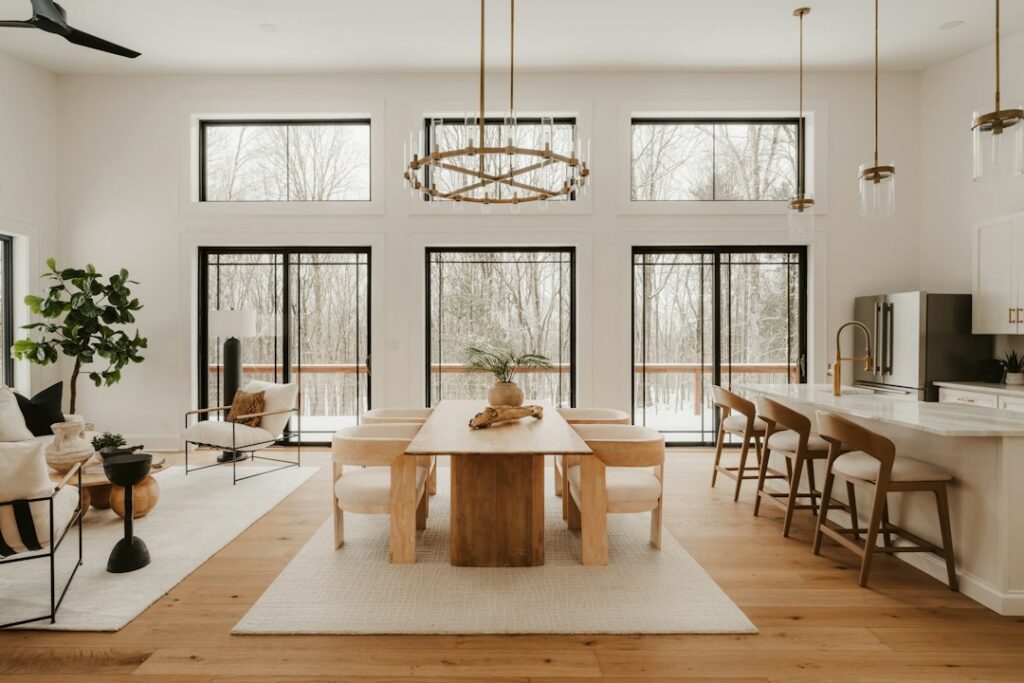

The right room is determined by the gathering, not simply by its guest count. Six people celebrating an anniversary may prefer a compact, quiet setting, while a twenty-person team dinner may need separation for conversation and presentations. Ask how the table will be arranged, whether everyone can see one another, and whether a dedicated service team is assigned. Minimum spending deserves careful attention as well. It usually describes the amount the party must spend on food and beverages, rather than a separate room-rental price. Request a written explanation of what is included and what happens if the bill falls below that amount.
A tasting menu is not necessarily a rigid experience that ignores personal needs. It is a planned sequence of smaller courses, allowing the kitchen to shape the meal as one progression. That format can suit private dining because everyone follows a shared rhythm instead of ordering separate entrees. Adjustments still require advance notice. Send allergies, religious restrictions, and strong dislikes with the guest list before finalizing the reservation. In a hypothetical seafood-focused dinner, a vegetarian guest might receive alternate courses, but the kitchen needs time to plan ingredients, preparation, and presentation rather than improvising after everyone sits down.
Pacing deserves as much attention as the menu. Course pacing means the interval between dishes, and it influences temperature, conversation, and the length of the evening. A group attending a theater performance should provide a firm departure time, while relatives at a reunion may welcome longer pauses. Mention speeches, transportation pickups, a cake presentation, or another appointment during the inquiry. Put those details in the same message as the guest count and dietary notes, then check the final event information against it before confirming. Clear timing gives the kitchen useful boundaries without making dinner feel hurried or overly scheduled.
Wine pairings are one beverage option, not a requirement for an elegant private meal. A pairing matches selected drinks with individual courses, often to complement or contrast with the food. Guests may have different budgets, preferences, or reasons to avoid alcohol, so ask whether wine can be ordered by the bottle or glass and whether nonalcoholic choices are available. Zero-proof drinks contain no alcohol and may be designed to accompany the menu rather than act as a basic substitute. Also confirm whether beverages count toward the minimum spend, are priced separately, or will be added to a shared bill.
Dietary planning works best when the host consolidates information instead of forwarding scattered messages from guests. Distinguish a medical allergy from a preference where possible, and ask directly about cross-contact, meaning accidental allergen transfer through ingredients, surfaces, or equipment. The restaurant can then explain what it can safely prepare. A short follow-up call may prevent confusion: read each restriction from the document, confirm which courses need changes, and note whether the guest will receive an alternate progression. Do not assume that removing one ingredient resolves every concern, particularly for severe allergies or menus built around shared sauces.
Cost comparisons should include more than the posted menu price. Review the beverage plan, service charge, tax, deposit, cancellation terms, and minimum spend before inviting guests. A deposit holds the booking in advance, while the cancellation policy explains when it may be kept or partly returned. If you are evaluating a bay area tasting menu, consider how that format fits the occasion, guest list, and desired privacy. Compare the expected pace, beverage choices, and dietary flexibility with the group’s needs. The most suitable arrangement is the one whose commitments are understood before invitations go out, not merely the one with the most impressive room.


