
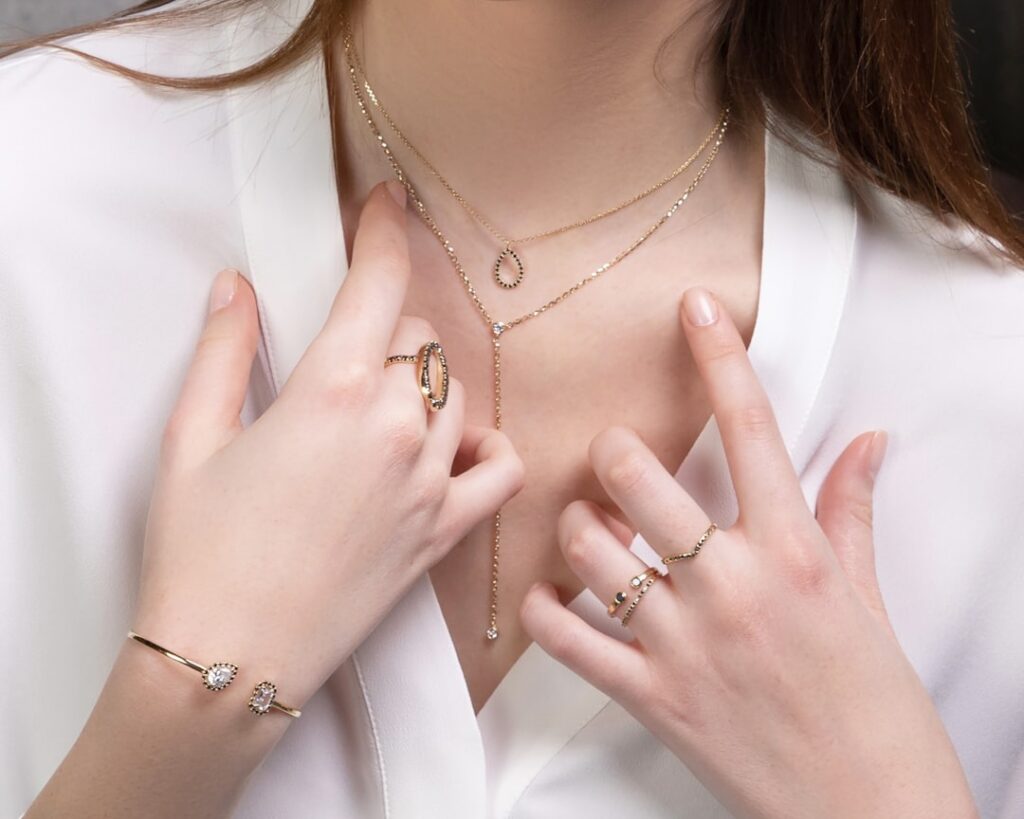

Some people still think lab-grown diamonds don’t match natural ones in sparkle or durability. However, lab-grown diamonds have the same chemical makeup and crystal structure as mined stones. They’re created in labs replicating natural conditions, achieving equal hardness and brilliance. This makes them a viable, environmentally sound choice. For example, a jeweler might keep certification documents handy to reassure customers about quality and origin, an effective way to build trust and reduce returns.
Moissanite and white sapphire also face misunderstandings. Some buyers dismiss moissanite as a fake diamond, but it actually has a higher refractive index, giving it a distinct fire and shine that many find attractive. White sapphire offers toughness and elegance without the diamond price tag, though it lacks some sparkle. Jewelers who provide side-by-side comparisons and let customers see samples help clear up confusion. It’s common for salespeople to keep small charts showing differences in hardness, refractive index, and care instructions to guide buyers toward informed decisions.
Upcycling old jewelry is another sustainable practice gaining traction. Turning vintage or broken pieces into new designs not only cuts waste but creates unique items with stories attached. Some artisans specialize in this, consulting with clients about sentimental value before redesigning a piece. One jeweler shared how repurposing an heirloom ring into a modern necklace kept the family’s history alive while using less raw material. This hands-on process involves documenting the original components and carefully planning metal and stone reuse to maintain quality.
Sustainability extends beyond stones and metals. Using recycled metals like gold or silver reduces mining’s environmental toll. Responsible jewelers often verify their suppliers’ recycling practices and demand transparency. Keeping detailed records of metal batches helps trace materials back to their source, an important step for certification and customer assurance. Communicating these efforts openly fosters loyalty among clients who prioritize ethical consumption.
Store operations also affect sustainability. Switching to LED lighting cuts energy use significantly and lowers heat output, protecting delicate gems from damage. Eco-friendly packaging, biodegradable boxes or reusable pouches, shows commitment beyond the product itself. One shop manager mentioned training staff to explain these choices to customers, turning sustainable practices into visible selling points. This practical approach helps customers connect values to shopping habits.
As interest in sustainable jewelry grows, jewelers must be ready to discuss facts openly. Debunking myths about lab-grown diamonds, moissanite, white sapphire, and upcycled materials positions businesses as ethical leaders. Educating buyers prevents misunderstandings that lead to dissatisfaction or returns. For example, clarifying that moissanite requires special cleaning care avoids damage from improper handling.
The shift toward ethical sourcing isn’t a fleeting trend but a necessary change in how jewelry is made and sold. Businesses willing to adapt processes, from sourcing to store practices, are better positioned for long-term success. The connection formed by sharing values with customers can be stronger than any marketing slogan. Visiting ethical jewelry craftsmanship resources provides additional insights for those wanting to deepen their knowledge on responsible design and production.

