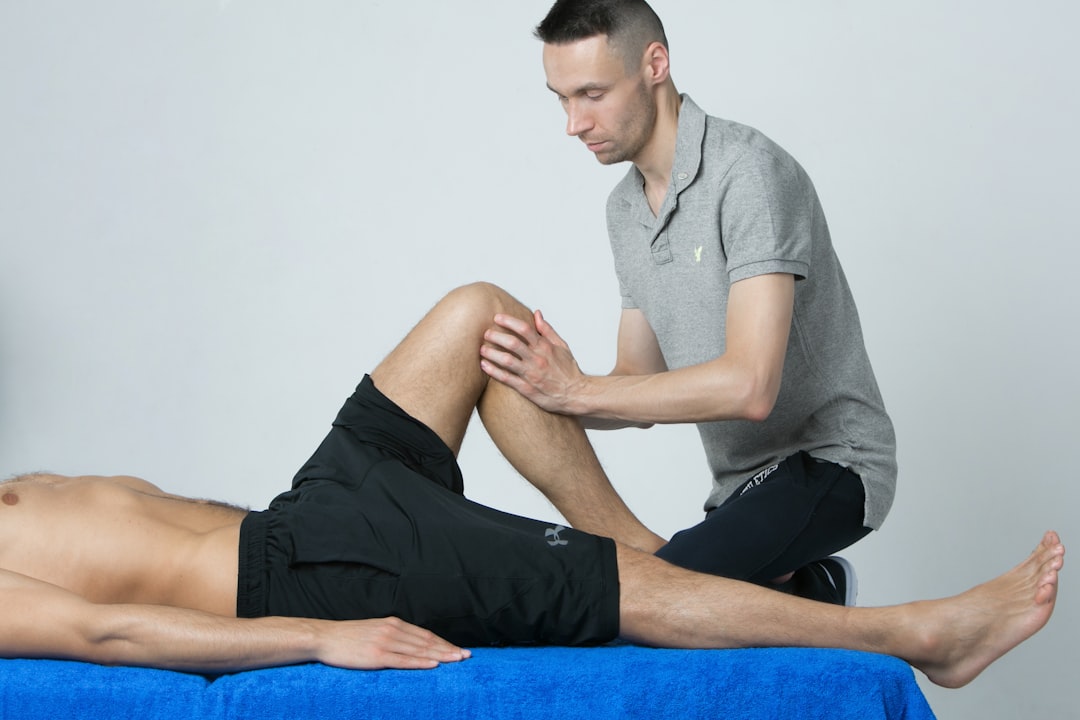

Musculoskeletal physiotherapy zeroes in on issues affecting muscles, bones, and joints. Treatments aim to reduce pain, restore movement, and improve strength. A physiotherapist might design exercises targeting weak muscle groups, perform hands-on manual therapy to loosen stiff joints, or teach proper posture and ergonomic habits. Patients often report that understanding how daily habits impact their injury makes a big difference in recovery. For example, learning the right way to set up a workstation can prevent flare-ups.
The difference between a specialist musculoskeletal physiotherapist and a general physiotherapist boils down to training and focus. Specialists receive extra education on diagnosing and managing stubborn or complicated MSK problems. Say you have ongoing neck pain from an old accident; a specialist will likely offer treatment plans based on current research tailored to your condition. This approach usually results in faster healing and fewer setbacks. They also tend to spend more time assessing subtle signs others might miss.
It makes sense to consider seeing a specialist if your pain lingers despite initial care or if it disrupts daily activities. Conditions such as TMJ or jaw disorders and sports-related injuries often require advanced evaluation techniques that only specialists provide. These therapists look beyond symptoms to identify root causes, offering treatments that address the whole picture rather than just masking pain. Sometimes they’ll use tools like ultrasound or specialized movement analysis.
Our team of specialist musculoskeletal physiotherapists handles a wide range of cases, from athletes recovering from injuries to women managing health concerns like pelvic floor dysfunction. Each therapist brings different skills and practical experience, which helps tailor care plans specifically for you. For instance, patients with osteoarthritis might follow programs like GLA:D that combine education with controlled exercise routines proven to ease symptoms and improve function.
Finding a suitable specialist musculoskeletal physiotherapist in Cheltenham is easier than you might think. Most clinics provide an initial consultation where you can explain your issues and get a clear plan laid out. Building trust early on helps avoid misunderstandings about treatment goals and expectations. If getting to the clinic is tricky, many now offer telehealth sessions, which let you get expert advice without leaving home.
Combining different physiotherapy methods can speed up recovery and make it more complete. Manual therapy involves hands-on techniques that relax tight muscles and improve joint movement. Exercise therapy focuses on gradually rebuilding strength and flexibility. Patients often need reminders to stick with home exercise programs since skipping sessions can slow progress or cause relapse. A detailed exercise log or app can help both patient and therapist track improvements or challenges.
One common hurdle is poor communication about pain levels or activity tolerance during treatments, which may lead to adjustments in therapy intensity. Keeping an open dialogue with your therapist ensures exercises stay safe and effective. If you want to explore these approaches further, msk injury treatments offer valuable insights.
Starting treatment early matters. Putting off care for MSK injuries often means facing longer recovery times and more discomfort later on. Whether recovering from a sports injury or managing chronic issues like osteoarthritis, acting quickly keeps you moving toward your usual routines without unnecessary pain or limits. For more information on local services, check out cheltenham physiotherapy clinics.