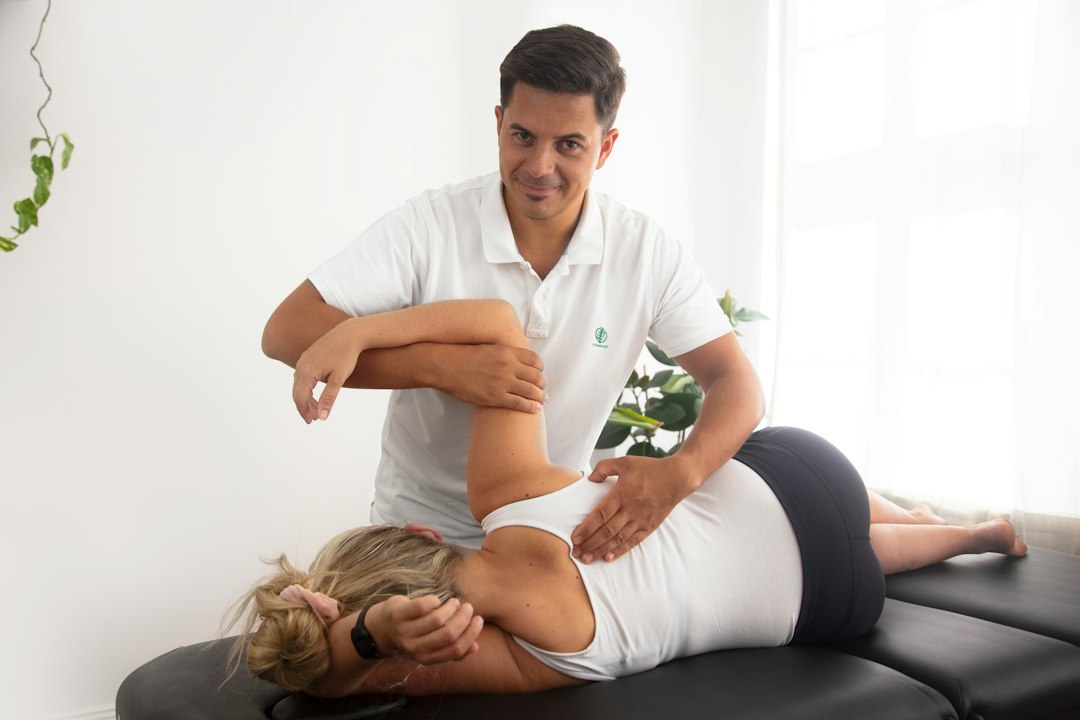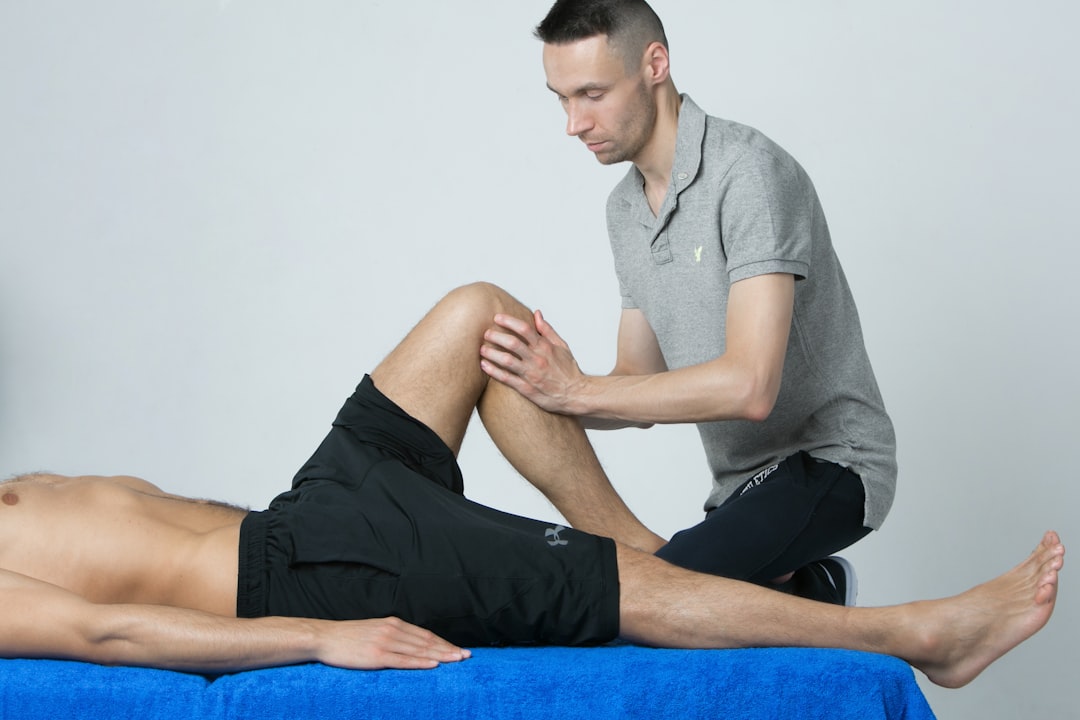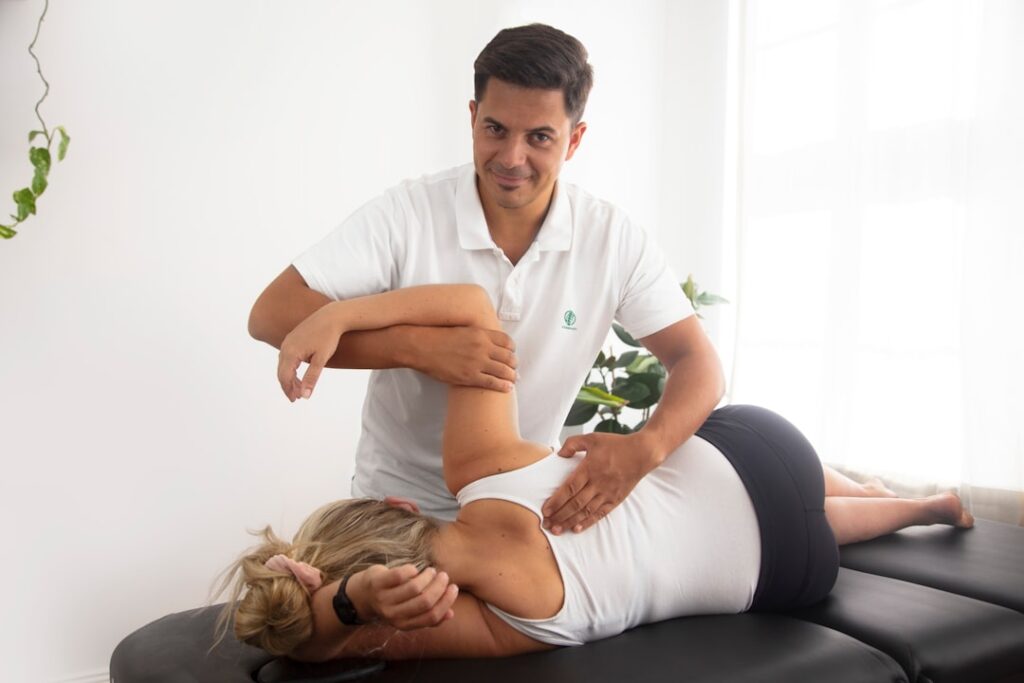

A physiotherapist begins by examining how you move and where you feel discomfort. They look at your posture, muscle strength, joint flexibility, and any pain points. For example, if you’re recovering from knee surgery, the focus will be on gentle strengthening exercises and hands-on techniques to improve mobility without causing more pain. Athletes, on the other hand, might get treatment that prepares them for the demands of their sport, including drills to prevent injury.
Dry needling is one technique often used during sessions. It involves inserting thin needles into tight spots in muscles to ease tension and reduce pain. Clinical Pilates is another tool that helps build a strong core through controlled movements, which supports better posture and balance. These therapies tend to speed up recovery when combined with traditional exercises.
Shockwave therapy is becoming popular as a non-invasive way to heal persistent issues like tendinitis or plantar fasciitis. It uses sound waves to stimulate tissue repair. Patients sometimes notice less pain and better movement after just a few treatments. This approach is a practical option for those dealing with long-lasting soreness that doesn’t improve with rest.
Chiropractic care often fits into treatment plans too. Chiropractors adjust the spine and joints to improve alignment and ease tension. Someone with neck tightness causing headaches may find relief when chiropractic adjustments complement physiotherapy exercises. This combination can make treatments more effective by addressing both muscle function and joint position.
Foot problems can affect your entire movement system. Flat feet or plantar fasciitis change how you walk, which might cause knee or hip pain. A podiatrist can assess your foot mechanics and recommend custom orthotics. These inserts support better foot alignment and reduce strain higher up the chain. It’s common for physiotherapists and podiatrists to work together on these cases because foot health impacts overall mobility.
Combining these approaches requires good communication between practitioners. Physiotherapists often collaborate with chiropractors, podiatrists, and massage therapists to cover different angles of recovery. They share notes on progress and adjust plans based on what works best for each patient. Patients are encouraged to keep track of their symptoms and check in regularly, so treatment stays on target.
If you want to explore how tailored treatment can improve your movement or manage pain, care plan physiotherapy provides structured options to suit various needs. Working with therapists who understand how your body moves can make a noticeable difference over time.
Investing in a detailed care plan means committing to your physical health. Whether it’s remedial massage for muscle tension or acupuncture for relaxation, there are multiple paths available. The key step is identifying what your body requires and reaching out to qualified practitioners at rehabilitation services in melbourne.