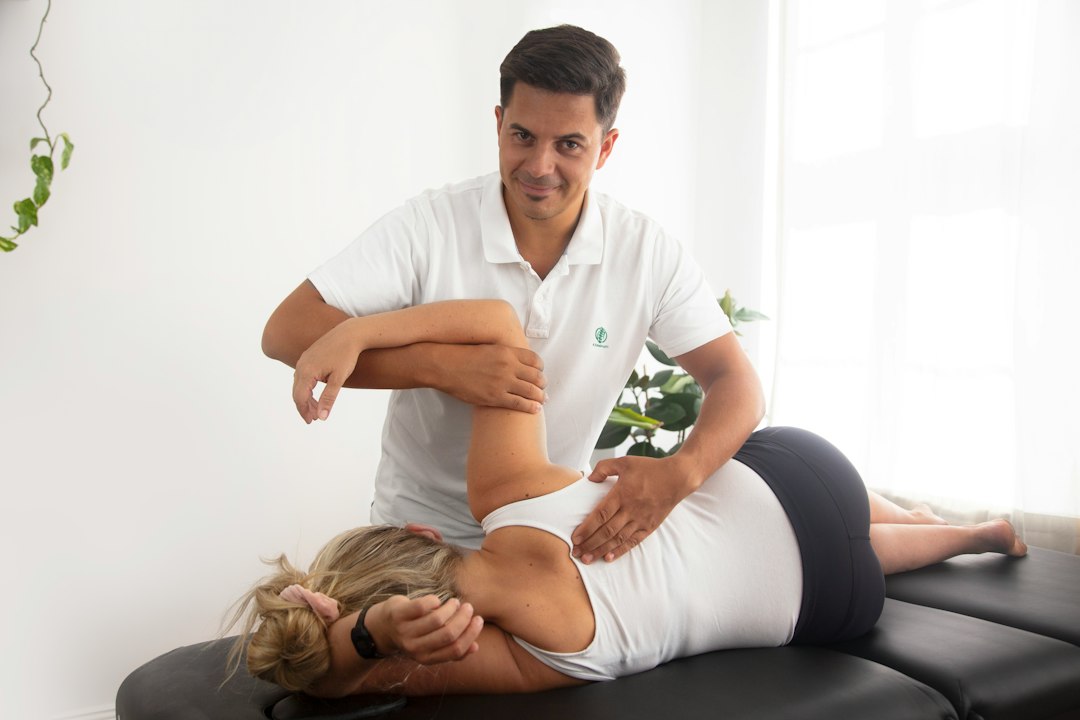

A tension-type headache often feels like pressure, tightness or a dull ache on both sides of the head. Neck and shoulder muscles may become overactive when you sit at a screen, clench your jaw or hold your head still for long periods. This does not mean poor posture is always the cause, or that simply pulling the shoulders back will cure the problem. A physiotherapist can assess neck movement, joint stiffness, muscle control and work habits. Treatment might include hands-on therapy, gentle mobility exercises and practical changes to how tasks are paced throughout the day.
Migraine is different from an ordinary tension headache. It can cause throbbing pain, nausea, and sensitivity to light or sound, sometimes with an aura involving temporary visual or sensory changes. Neck discomfort can occur with migraine, but treating the neck alone may not address the underlying condition. A clinician should consider the wider pattern, including sleep, hydration, hormonal changes, stress and medication use. If headaches are frequent, worsening or interfering with work, school or driving, discuss them with a GP. Physiotherapy can sit alongside medical care when musculoskeletal factors are also present.
Referred pain is another useful concept. This means a problem in one area is felt somewhere else, so irritation or stiffness in the upper neck can be experienced around the temple, forehead or behind the eye. Assessment does not involve guessing from one symptom. The practitioner may check neck rotation, strength, coordination, jaw function and how symptoms respond to movement. For example, an office worker whose headache appears after two hours at a laptop may need a combination of neck exercises, movement breaks and workstation adjustments, rather than repeated massage alone.
Hands-on treatment can include soft tissue work or joint mobilisation, while dry needling may be considered for selected muscles after a suitable assessment. These approaches are intended to support movement and reduce sensitivity, not to promise an instant cure. Sensitisation describes a nervous system that has become more responsive to signals, meaning pain can persist even after tissues have settled. Gradual exercise, education and steady return to normal activity can help build confidence in movement. A tailored programme may use simple neck control exercises, upper-body strengthening or clinical Pilates, depending on the findings and your tolerance.
A second scenario is a recreational cyclist who develops a headache after longer rides, along with neck fatigue and tingling in the hands. The relevant issue may involve bike position, sustained arm loading, breathing, or another condition that requires referral. A bike assessment and physiotherapy review can explore those factors, but tingling, weakness or unusual symptoms should not be dismissed as muscle tightness. Seek urgent medical help for a sudden severe headache, a new headache after significant injury, confusion, fainting, seizure, fever with a stiff neck, or new speech, vision or one-sided weakness.
Good care should leave you with a clearer plan rather than a list of alarming possibilities. Keep a brief diary noting timing, duration, sleep, meals, screen use, exercise, medication and associated symptoms. This can reveal patterns and gives your GP or physiotherapist useful information. Home visits may be suitable for some people who cannot easily attend a clinic, while post-surgery rehabilitation or work-related injuries may require a more specific plan. For local guidance on assessment and movement-based care, explore physiotherapy services in werribee, and ask how any proposed treatment fits with your medical history.