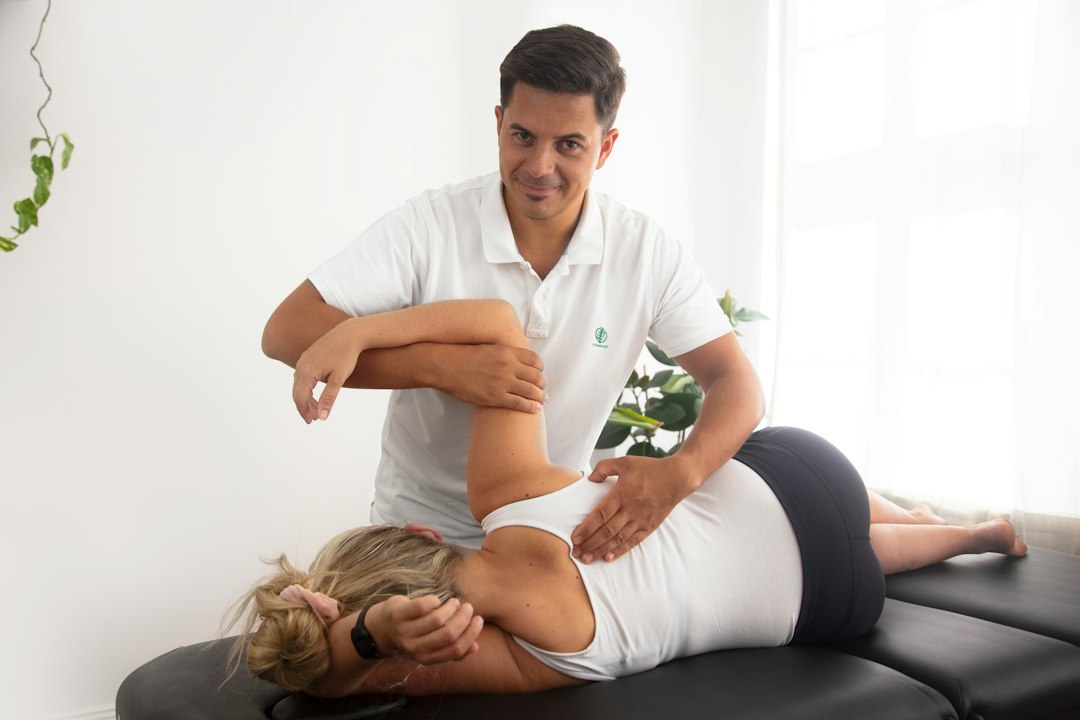

A first appointment usually includes a detailed history and movement examination. The practitioner may ask whether symptoms followed a lift, a long drive, a fall, or a gradual increase in workload. They may also check whether discomfort stays in the back or travels into the buttock, thigh, or lower leg. Referred pain is felt away from the structure producing it, while nerve related symptoms may include burning, tingling, electric sensations, or unusual sensitivity. Taking a short note of what worsens and eases the pain before the appointment can prevent important details being forgotten. That information helps the clinician tailor physio for back pain rather than handing over a generic exercise sheet.
Treatment often combines education, exercise, and selected hands on techniques. Manual therapy may involve gentle joint movements or soft tissue work to make a stiff or painful area easier to move. It can be useful for short term comfort, but it should support active rehabilitation rather than replace it. Exercise might target hip strength, trunk endurance, spinal mobility, or coordination between the pelvis and ribs. The most appropriate drill is not necessarily the most demanding. A movement that can be repeated with good control and without a substantial increase in symptoms later that day is usually more useful than an impressive exercise performed once.
Activity is often adjusted rather than stopped. Someone who has abandoned walking because each trip increases back pain may begin with a short, manageable route and add time gradually. Changing position every 30 to 45 minutes can also be more practical than trying to maintain one perfect sitting posture all day. A parent lifting a child may practice keeping the child close, placing both feet securely, and turning with the feet instead of twisting through the trunk. A therapist may also suggest moving frequently used items to waist height for a while. These small changes reduce repeated aggravation while strength and tolerance are rebuilt.
Graded loading means increasing physical demand in steps that the person can recover from. The progression might move from gentle floor exercises to repeated sit to stands, then to carrying a light bag or returning to a job task. Symptoms can be monitored during the activity and again later that evening or the next morning. A temporary increase does not automatically mean harm, but a clear and sustained flare may indicate that the amount, speed, or frequency needs adjustment. Writing the exercise name, repetitions, and response in a phone note gives both patient and therapist something more useful than relying on memory.
Pain intensity is only one measure of progress. After an injury or a period of persistent symptoms, the nervous system may become more protective, so a tolerable movement can feel threatening. Explaining this response should validate the discomfort, not imply that it is imagined. Improvements may first appear as sleeping through more of the night, putting on socks with less hesitation, sitting through a short meeting, or walking to the local shop. These functional markers often reveal change before the pain score becomes consistently lower. A plan can then be adjusted around what the person needs to do, not just around a number reported at each visit.
Some symptoms need medical review before routine exercise advice. Prompt assessment is appropriate for new or worsening weakness, loss of bladder or bowel control, numbness around the groin, fever, unexplained weight loss, or severe pain after significant trauma. These warning signs are uncommon, but delaying assessment would be unwise. For many ordinary back problems, gentle movement is preferable to prolonged bed rest, although work, lifting, or sport may need temporary modification. If pain begins spreading farther down the leg, becomes progressively stronger, or fails to change as expected, the treatment plan should be reviewed rather than repeated unchanged. For further back pain treatment planning, the key is matching advice to the symptoms and the person’s circumstances.
A useful rehabilitation plan fits the setting in which it must be followed. An office worker may need two short exercises that can be done beside a desk, while a recreational runner may require staged increases in walking, jogging, hills, and speed. Someone returning to lifting may rehearse the full task with a lighter load, then build volume before adding intensity. Motor control, meaning coordinated movement of the trunk and hips, can be practiced through simple sit to stands, step ups, or controlled reaches before heavier work begins. At each review, ask what the exercise is intended to improve, how progress will be measured, what response is acceptable, and what should change if symptoms flare. That process keeps care active, specific, and connected to daily life.