
Start by focusing on core features like sturdy grab bars near the shower, tub, and toilet. These provide extra support during transfers and balance while moving. Installing flooring with a strong grip is just as important; wet tiles can be hazardous, so materials designed to minimize slipping help keep everyone safe. Doorways should be widened to at least 32 inches to accommodate wheelchairs or walkers, which often means adjusting framing and hardware.
Curbless showers make a big difference in usability. Removing the step-over ledge creates a barrier-free entry that’s easier to access and clean. Adding a handheld, adjustable showerhead lets users control water flow and direction without strain. Built-in seating provides a place to rest or wash comfortably, especially useful for people who cannot stand for long periods.
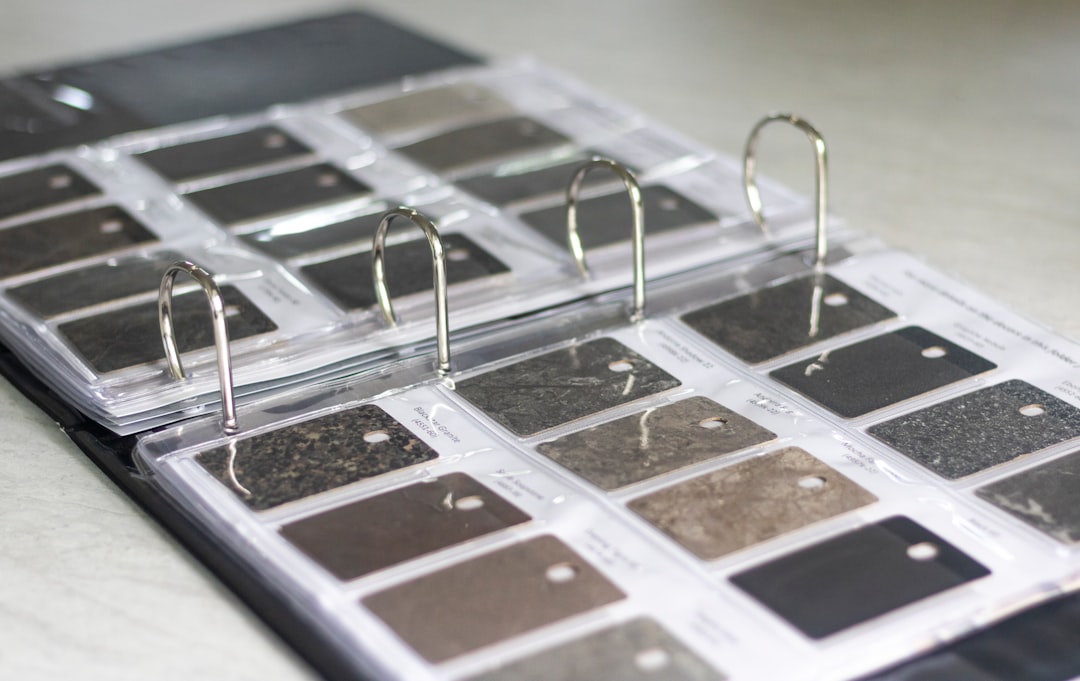
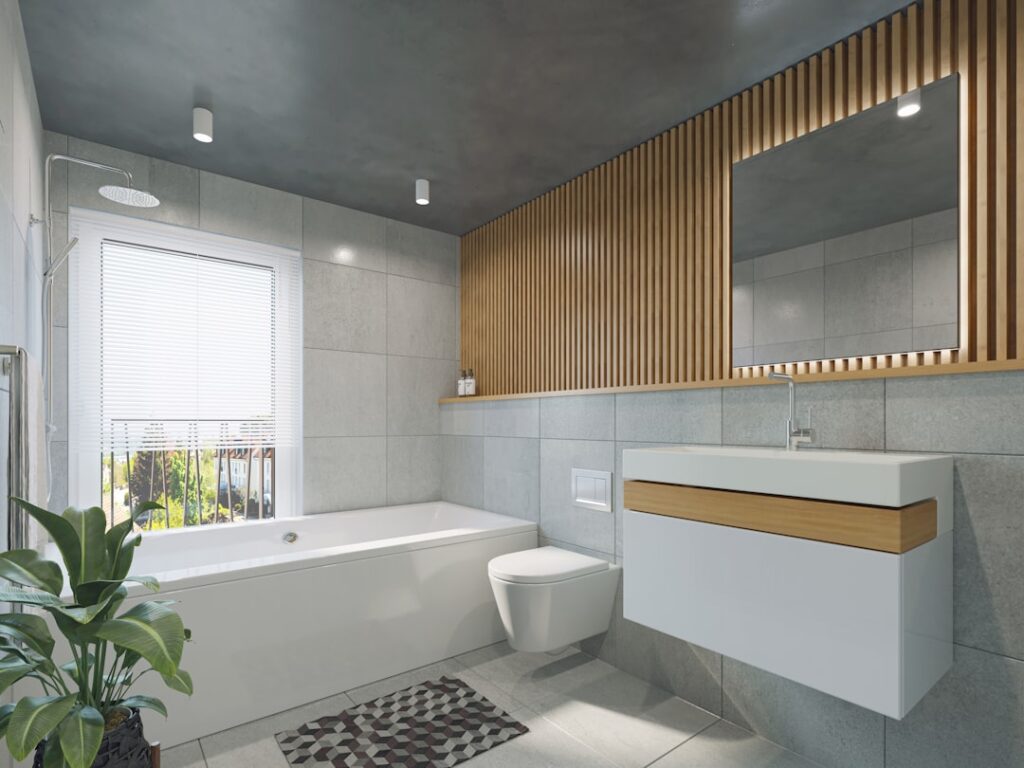
Don’t overlook style while prioritizing function. You can choose tiles with subtle patterns or warm colors that brighten the room without sacrificing practicality. Vanities designed for wheelchair access typically have open space underneath and lower countertops, blending accessibility with a tidy appearance. Fixtures with lever handles are easier to operate than knobs for anyone with limited hand strength.
Clear communication with your contractor is a must. Discuss your daily routines and specific needs in detail before work begins to avoid costly changes later. Contractors familiar with accessible bathroom renovations understand common pitfalls, like how improper grab bar placement can make them ineffective or how door swings affect traffic flow. Reviewing plans together ensures everyone shares the same expectations.
Consider smart technology additions that enhance independence. Voice-activated lighting reduces the need to reach switches in the dark, while automated faucets control water temperature and flow with minimal effort. These features don’t just add convenience; they also help prevent burns or spills, making daily tasks safer.
After completing your renovation, documenting the transformation through photos helps track what worked well and what might need adjustment. Sharing these images along with honest feedback encourages others facing similar challenges and highlights realistic outcomes. If you’re ready to upgrade your bathroom for accessibility and comfort, contact professionals who offer tailored services at accessible bathroom upgrades.