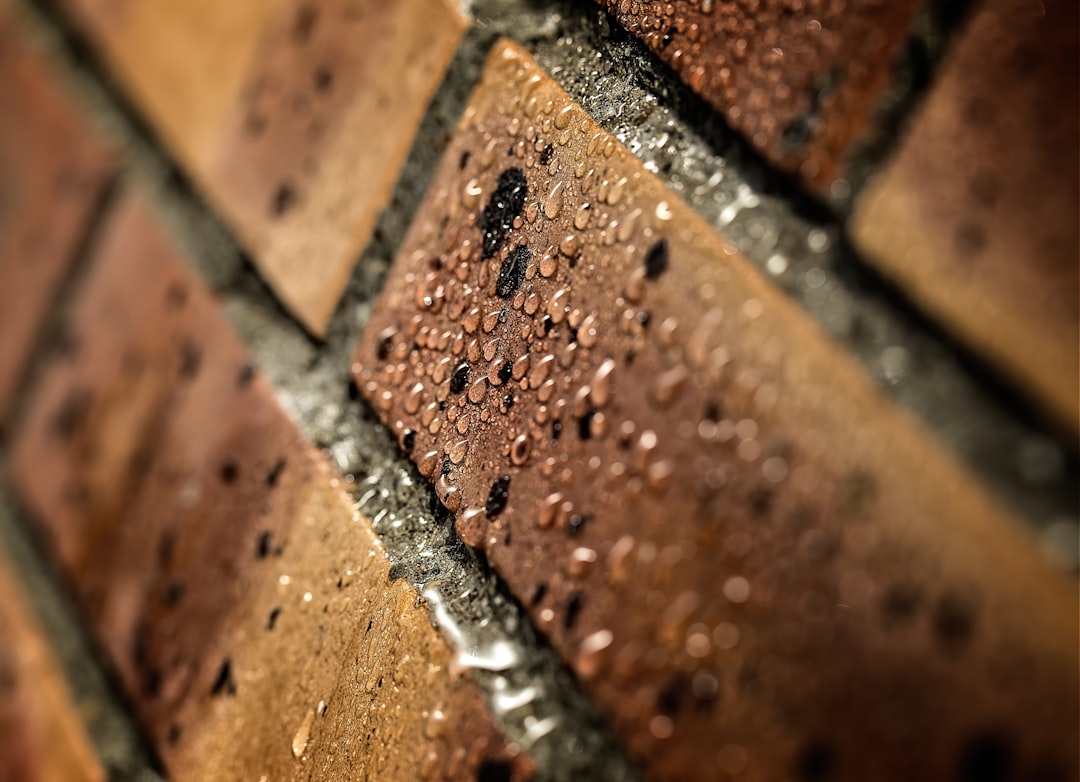

Waterproof barrier paint works like a sealant, blocking water from penetrating surfaces such as concrete and brickwork. It contains flexible polymers or elastomeric ingredients that let the paint stretch and shrink with temperature swings. This flexibility prevents cracks that would let water through. Ordinary paint lacks these qualities and usually fails quickly when exposed to damp conditions.
Proper surface prep is non-negotiable. You must clean the area thoroughly, patch up cracks or holes, and prime if recommended by the product instructions. Painting over peeling or flaking old paint won’t work; the waterproof layer won’t adhere properly and will peel off eventually. Taking shortcuts here leads to wasted effort and more damage down the line.
A good example comes from a storage facility suffering from persistent dampness. After applying waterproof barrier paint correctly, cleaning surfaces and repairing damage, the owner saw moisture levels drop significantly. The paint not only protected the structure but also helped prevent spoilage of stored goods. Such real-world cases prove the effectiveness of these products when used right.
It’s important to distinguish between waterproof and water-resistant coatings. Waterproof barrier paint forms a complete seal that stops water entirely, while water-resistant products only slow moisture penetration but don’t block it fully. Picking the wrong one for your needs can cause problems, especially in areas prone to heavy water exposure.
Environmental factors influence application success. High humidity or cold temperatures can extend drying times and affect adhesion. Follow the manufacturer’s guidelines closely to get the best results. For example, applying the paint during hot, dry weather reduces the risk of trapping moisture underneath.
Regular maintenance extends the life of the waterproof layer. Inspect your painted surfaces every few months for cracks, blistering, or peeling. If you spot issues early, reapplying or patching up the paint will prevent bigger headaches later. Keeping a simple checklist helps ensure you never miss this step.
If you want to explore more about waterproof barrier paint, there are detailed resources covering application techniques and best practices. With solid knowledge and care, you can protect your property effectively against water damage.
For further reading on related topics and practical advice on managing moisture in buildings, visit building moisture control tips.