
Take a local courier who hauls gear across farms and construction sites. At first, they used standard highway tyres to cut costs. But after several trips over rocks and through mud, the tyres wore out faster than expected. That meant more frequent replacements and delays waiting on repairs, which hurt business. The wrong tyres can do more than make the ride rough; they can disrupt schedules and increase expenses.
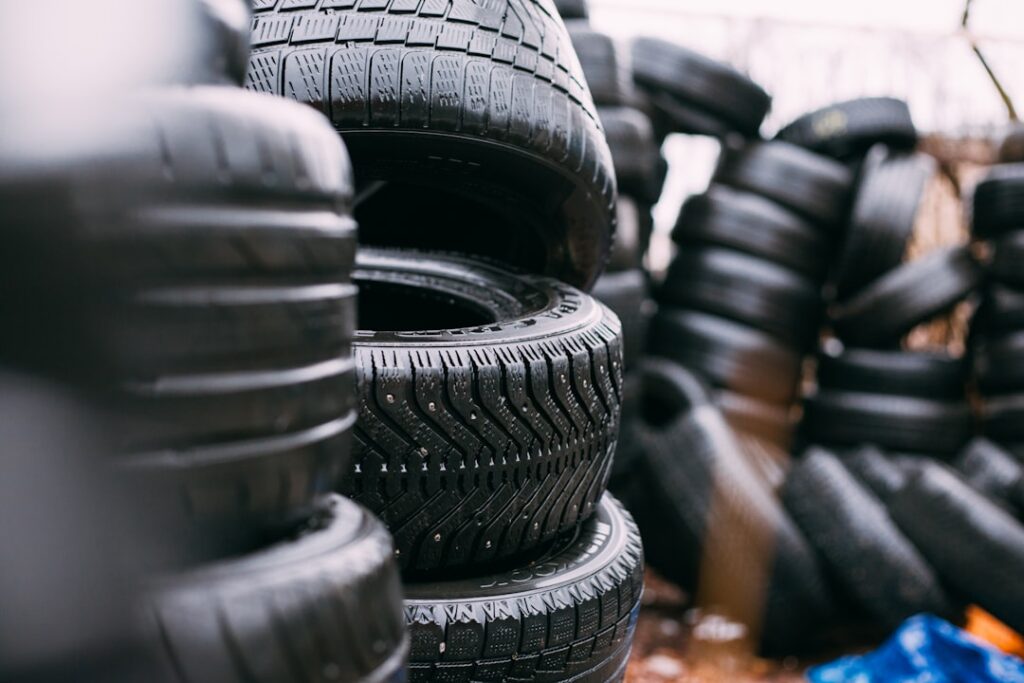
Tread design is one of the key factors to consider. Tyres with deep, aggressive treads bite into uneven ground and mud, providing better grip where it counts. These patterns help keep control on trails and loose surfaces. On the other hand, smooth or shallow treads excel on highways by lowering road noise and improving fuel economy, but they offer little traction off-road. Choosing based on where you drive the most saves money and improves safety.
The rubber compound also matters a lot. Softer compounds generally grip better, especially on wet or slick surfaces, but tend to wear faster under heavy loads or quick speeds. Harder compounds last longer and resist damage but can compromise traction in tricky conditions. It’s worth matching tyre compound choices to your typical speed, weight carried, and road conditions to get the best balance of durability and grip.
Sidewall strength is often overlooked but critical for durability in tough environments. Tyres with reinforced sidewalls resist punctures and damage from sharp rocks or debris. For anyone frequently driving on rough roads or off pavement, stronger sidewalls reduce the chance of flats and tyre failures. This means fewer unexpected stops and less downtime.
If you want reasonable performance both on highways and off-road trails, all-terrain tyres are a solid option. They combine tread designs and compounds that handle various surfaces without feeling too harsh on pavement. They won’t match dedicated off-road tyres in mud but provide versatility for mixed-use vehicles. Investing in quality all-terrain tyres can turn your SUV into a more capable, dependable ride. To check out options suited for different needs, visit best suv tyres.
Before buying new tyres, it helps to review your driving habits honestly. Check vehicle load regularly, overloading tyres shortens their lifespan and reduces safety. Inspect tread depth every few months; uneven wear could indicate alignment issues needing correction. When replacing tyres, avoid mixing old and new sets as it affects handling. These small steps prevent costly rework and keep your SUV performing well.
Choosing the right tyre involves matching tread design, rubber compound, and sidewall strength to your daily routes and use cases. The right fit improves traction, extends tyre life, and lowers maintenance costs over time. For straightforward advice on durable tyres tailored to your terrain and workload, see suv tyre options for diverse roads.