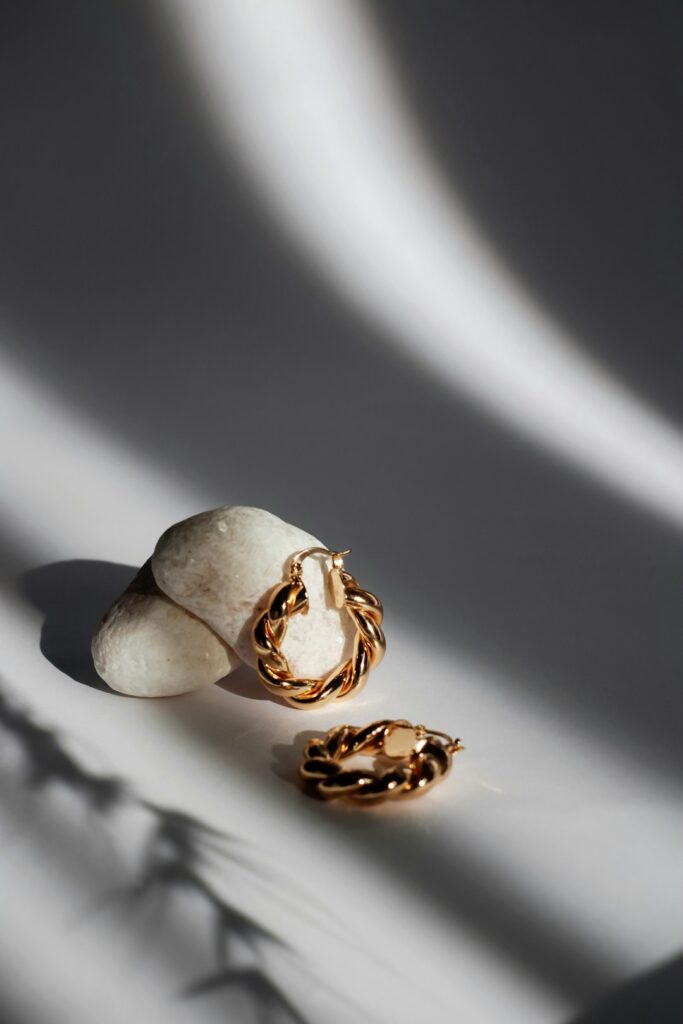

Jewelry designers are reimagining old pieces, turning them into fresh, wearable art. For example, a worn vintage brooch might be transformed into a modern pendant or a set of stacking rings. This technique reduces landfill waste and preserves traditional craftsmanship techniques like hand engraving or filigree work. Often, the final product carries history, blending past styles with current fashion trends, which adds emotional weight to the piece.
Understanding the materials involved is key when dealing with repurposed jewelry. Precious metals such as gold and silver can be melted and recast without losing quality. Gemstones, if carefully removed and cleaned, can be reset in contemporary designs. Ethical sourcing matters, too, many jewelers now ensure stones are conflict-free or recycled from older stock. Choosing repurposed designer jewelry means you get something distinctive while supporting responsible sourcing and manufacturing methods.
For jewelers and shop owners, tapping into this trend offers a way to differentiate their brand. Partnering with local craftspeople who specialize in upcycling can yield limited-edition collections that appeal to eco-minded shoppers. Hosting workshops where customers bring in heirloom items for redesign not only builds community but also encourages sustainable consumer behavior. These events often uncover stories behind pieces, enriching the buying experience.
Customization adds another layer of appeal. Clients appreciate options to personalize designs, whether by altering existing pieces or commissioning entirely new ones from repurposed components. Transforming an old family ring into a contemporary charm or updating a cherished necklace with modern clasps are practical examples. This process often involves detailed consultations and sketches to ensure the final piece meets both aesthetic and sentimental expectations.
Clear communication about sourcing and production practices helps build trust with customers who care about sustainability. Sharing the journey of each piece, from where materials come from to the hands that crafted it, can create meaningful connections. Documenting these stories on labels or online descriptions adds transparency and enriches the customer’s appreciation for their purchase.
Exploring repurposed designer jewelry opens opportunities for creative expression and business growth. Whether refreshing an existing inventory or launching new collections, focusing on sustainability and bespoke options attracts today’s mindful consumers. Check out repurposed designer jewelry for inspiration.
Beyond individual preferences, shifting toward environmentally responsible choices reflects broader consumer values. Engaging with this movement positions brands to meet changing market demands while promoting ethical practices. Visit sustainable jewelry crafting techniques to learn more about integrating these principles.