
The offer itself tells only part of the story. A bar may advertise an appealing first-round price but provide little seating during the busiest part of the afternoon. Guests who arrive early may end up standing beside the entrance, while late arrivals scan the room and text, “Where are you?” Before sending an invitation, check whether the group will have a reserved table, a shared area, or first-come seating. Ask where the host should meet the party, how long the table is held, and whether guests can be added after the booking is made.
Menu details affect the pace of the gathering. Look for food that can be shared without requiring a formal meal, such as small plates, snacks, or items that arrive in portions suited to a group. Cocktail descriptions should be clear enough that guests can order without a long explanation from the server. It also helps to check whether beer, wine, and nonalcoholic drinks are available for people with different preferences. An organizer who saves the current menu to a phone can answer basic questions before arrival and avoid reopening the search while standing on a noisy sidewalk.
The length of the visit matters as much as the opening deal. Dwell time is simply the period guests remain in the venue, and a low-priced first drink does not guarantee a comfortable evening if the table feels rushed or the room discourages conversation. Check whether the reservation has a stated end time and whether another booking follows it. If the group intends to eat, ask whether food orders can be placed throughout the visit or only during a limited period. These details help set accurate expectations before anyone commits to the plan.
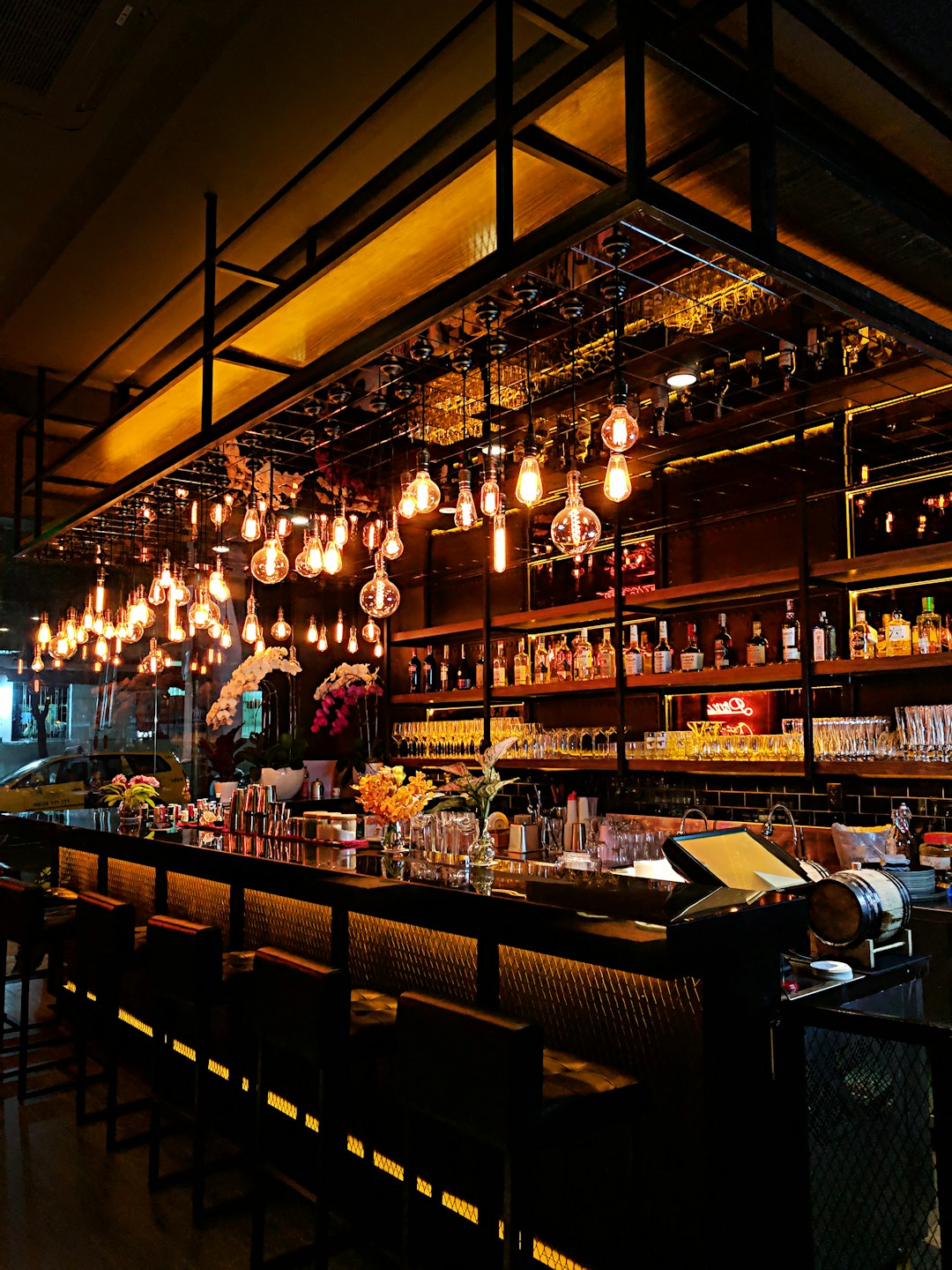
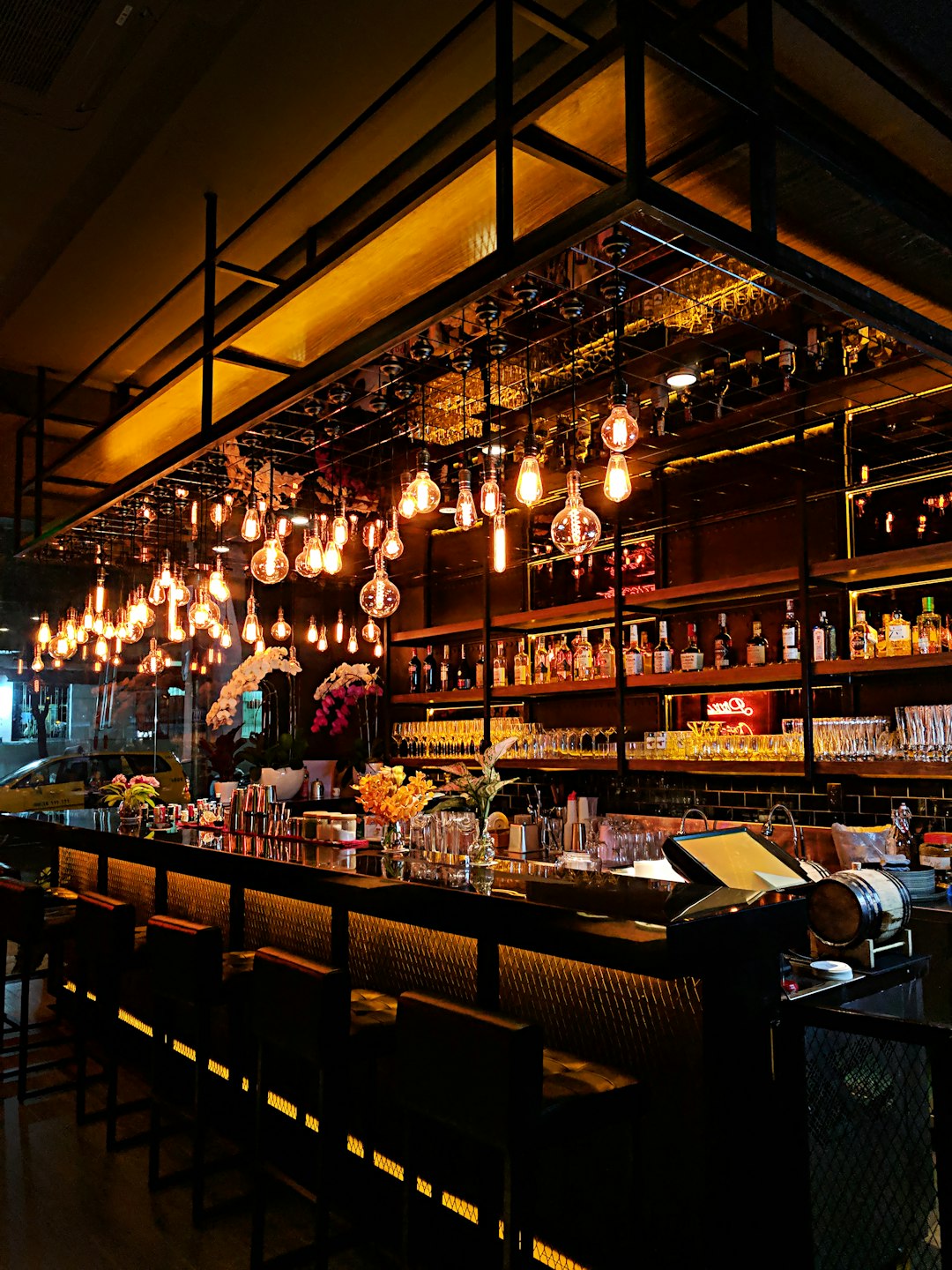
Sound should receive the same attention as seating. Music, conversation, glassware, and service activity compete for attention, particularly in a compact room. A williamsburg after work drinks setting may suit guests who want cocktails and a distinctive atmosphere, but the organizer should still ask which area is most practical for conversation. A table near speakers or a crowded service station can feel very different from one in a quieter corner. If the venue has a DJ or scheduled music, confirm the timing rather than assuming the room will sound the same all evening.
Reservation pacing can prevent a small group from creating its own bottleneck. Invite colleagues who work nearby to meet at the agreed time, then give commuters a realistic arrival window instead of promising that everyone will appear together. Confirm that the venue will seat the full party if several people arrive late. This approach also gives the organizer a chance to greet early guests and tell them where others should sit. It is a modest process step, but it prevents repeated messages and avoids asking a server to reconstruct the group every time someone walks in.
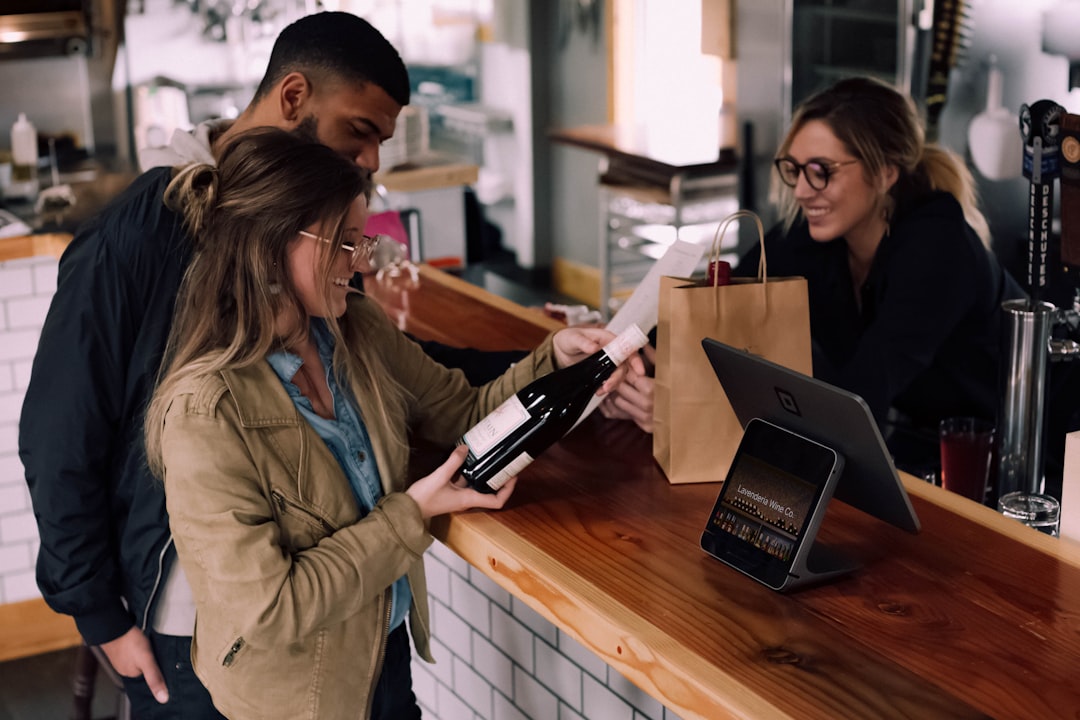
Payment arrangements deserve a quick decision before the first round. Ask whether separate checks are normal, whether the bar can split a bill by person, and whether food ordered for the table will be treated differently from individual drinks. No one needs a rigid accounting system for a casual outing, but a simple message can remove confusion: order your own drinks, and we will divide shared plates evenly. For a birthday or farewell, also confirm whether a cake, small decoration, or early departure creates any special handling requirement. The staff can then explain what is workable.
Compare two or three venues against the actual purpose of the evening, not just their advertised prices. Record the reservation time, seating format, menu window, music schedule, arrival instructions, and payment policy in the invitation or a shared note. Tell guests the meeting point and what to expect if they arrive early. A room that supports conversation may serve a smaller group better than a larger, louder venue, while a flexible bar may be more suitable for coworkers arriving over an hour. Clear planning leaves the group free to focus on the drinks, food, and conversation once everyone is together.