
Think carefully about the flow from ordering to pickup. If the bar is too far from seating, customers can get impatient. A straightforward linear setup works best, placing the espresso machine, grinders, and milk frothers close together so baristas don’t have to backtrack. Many shops keep the register at one end and the pickup area at the other, creating a clear path that avoids crowding.
Materials matter as much as layout. You want surfaces that resist stains, heat, and wear. Stainless steel is a popular choice because it’s tough and easy to clean, but it can feel cold. Adding wood panels or warm tones softens the space and gives it character. Choose colors and textures that match your shop’s vibe, whether that’s an industrial feel or a cozy, rustic look.
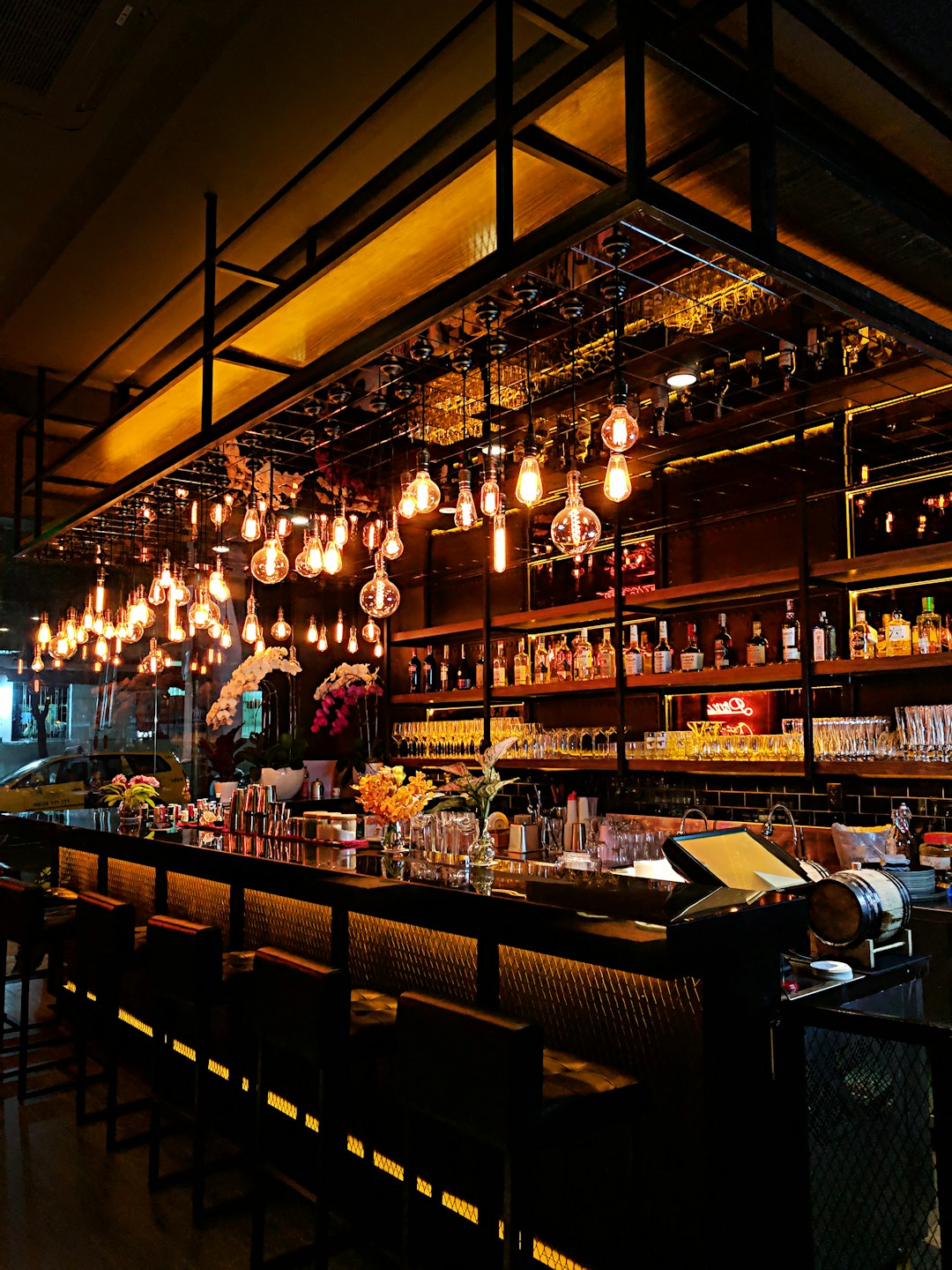
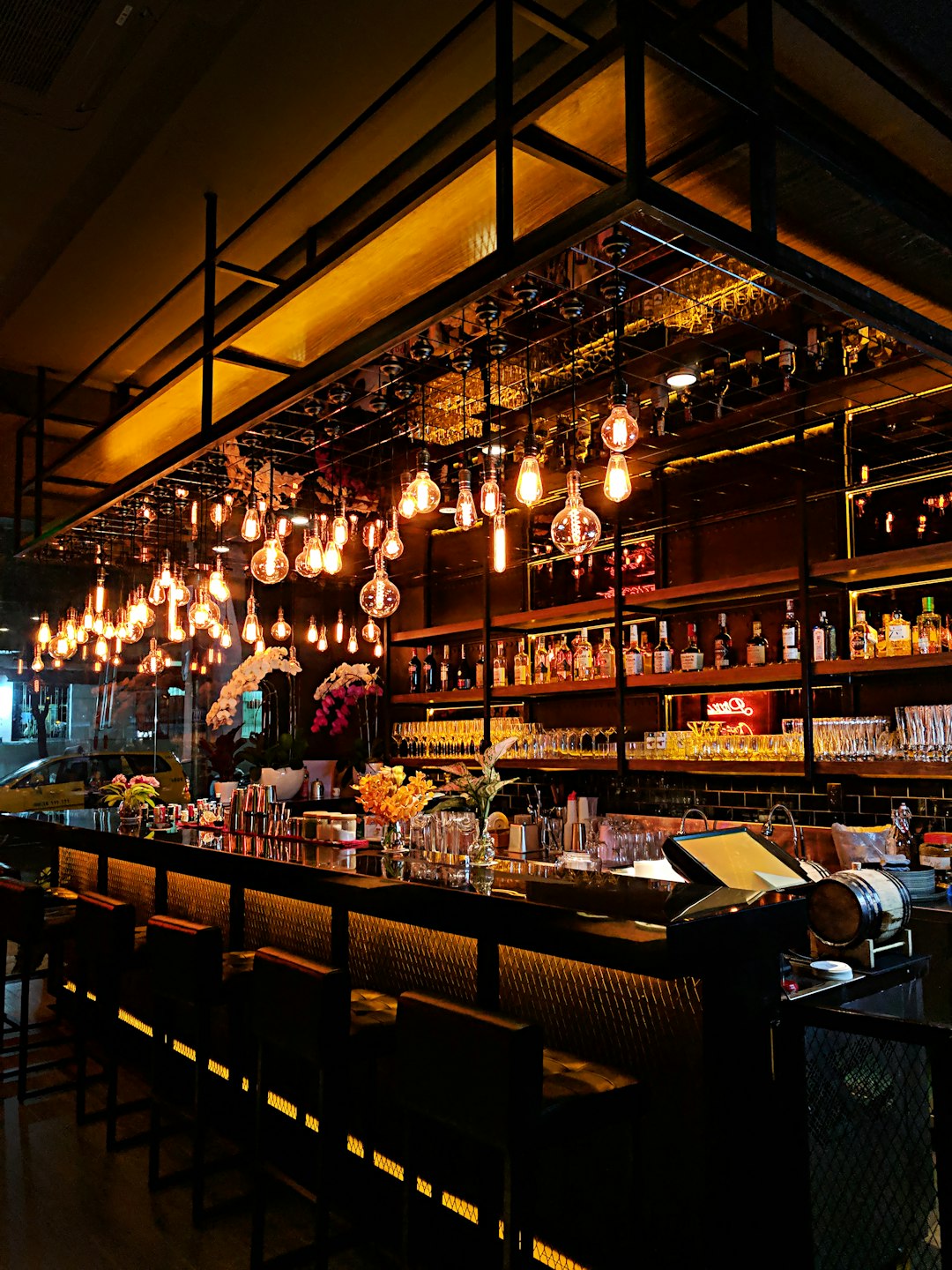
Lighting deserves careful attention. Natural light makes the space inviting and encourages customers to stay longer. But you also need focused task lighting above the bar. Baristas need clear visibility to prepare drinks accurately without shadows getting in the way. Adjustable LED fixtures work well here. Poor lighting can slow service and cause mistakes, so test different setups before finalizing.
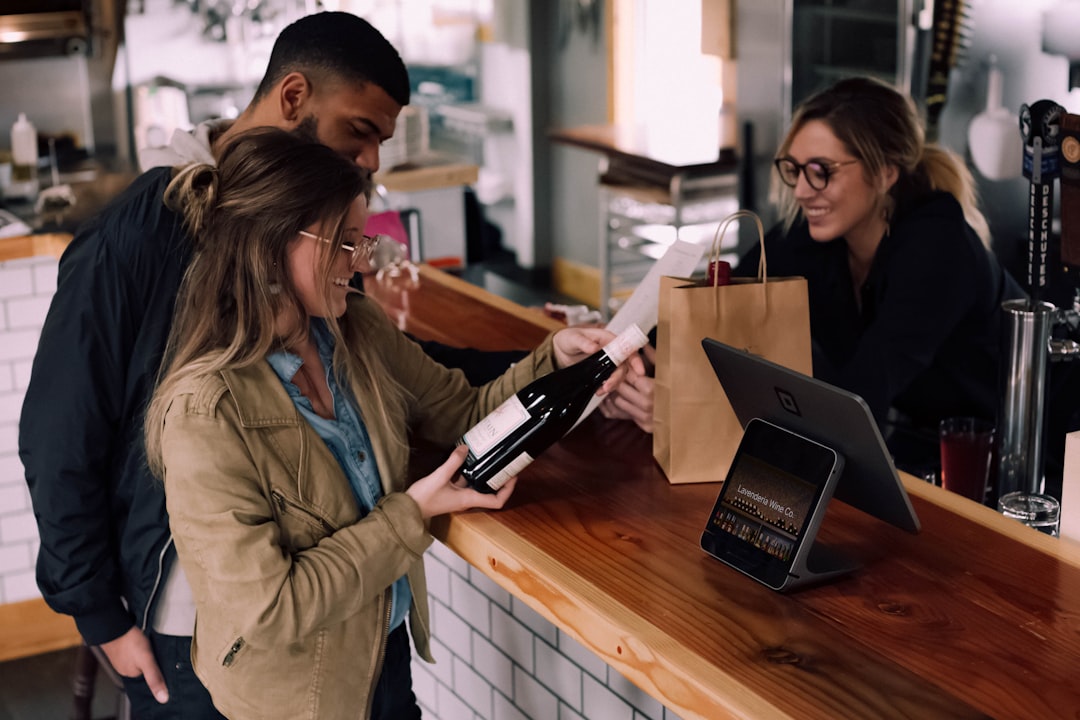
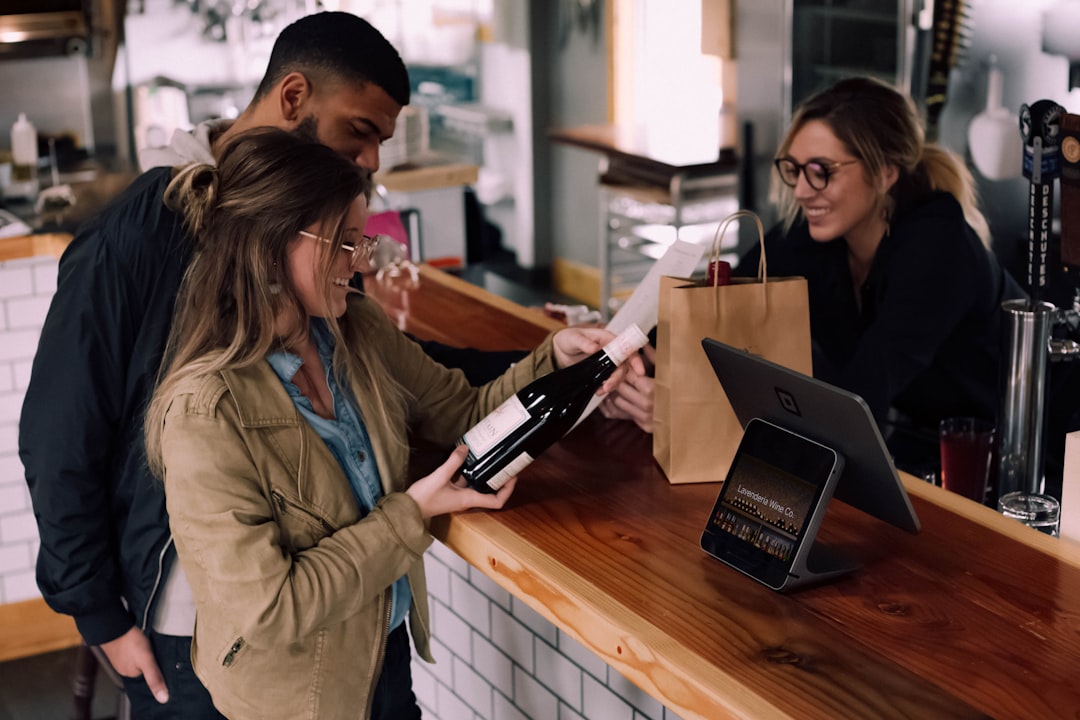
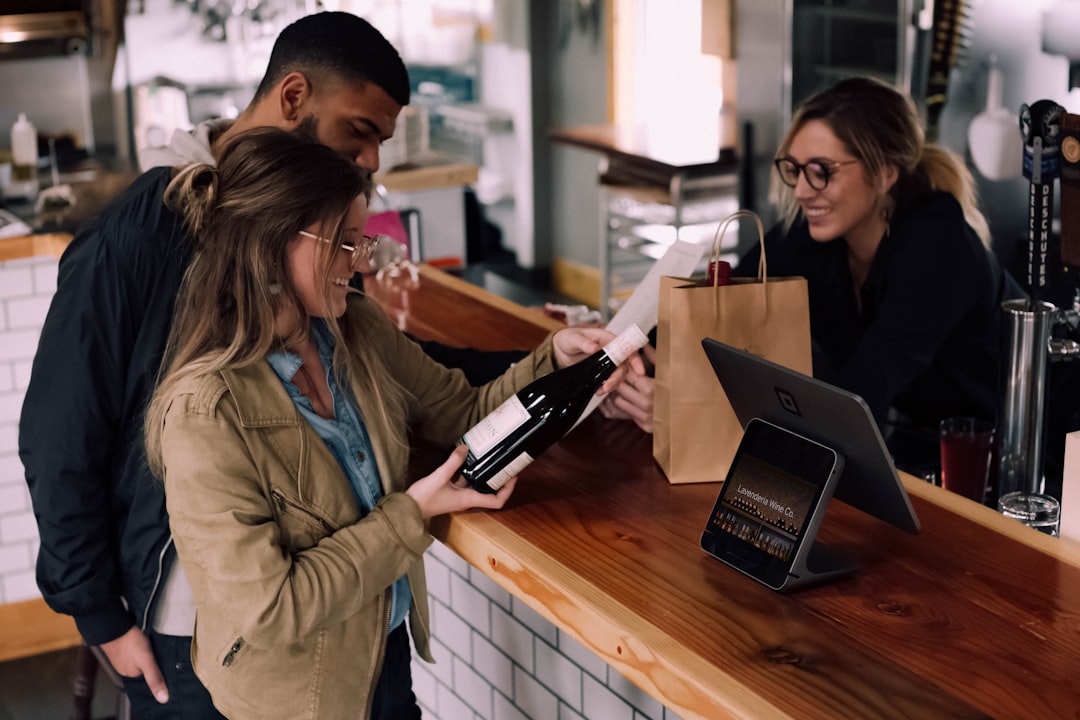
Technology can improve efficiency if integrated thoughtfully. A modern point-of-sale system with a clear screen speeds up orders and reduces errors, especially during rush hours. Setting aside space for mobile order pickups keeps lines moving and prevents confusion between in-store and online customers. Make sure cables and devices are neatly arranged to avoid clutter that can trip up staff.
Storage often gets overlooked but is vital to smooth operations. Under-counter cabinets and open shelves keep supplies close but hidden, so baristas don’t waste time hunting for lids or syrups. Some shops use labeled bins behind the bar to speed restocking. A cluttered workspace frustrates staff and slows down drink preparation, keeping things organized makes a big difference.
Don’t hesitate to ask seasoned coffee shop owners for advice. They’ll share practical tips you won’t find in manuals, like how to avoid common layout pitfalls or which equipment brands hold up best under pressure. For structured guidance on building your coffee business, consider enrolling in a coffee shop bar design course that covers everything from concept development to startup logistics.
Finally, keep refining your bar design based on real-world experience. Customer habits change, new equipment comes out, and trends shift. Staying flexible means your coffee shop can keep delivering great service long after opening day. For ongoing inspiration or resources on running your cafe effectively, visit coffee shop industry advice.
A functional, welcoming bar is the backbone of any coffee shop. Focus on layout, durable materials, smart lighting, tech integration, and neat storage to build a work environment that supports your team and delights customers alike.