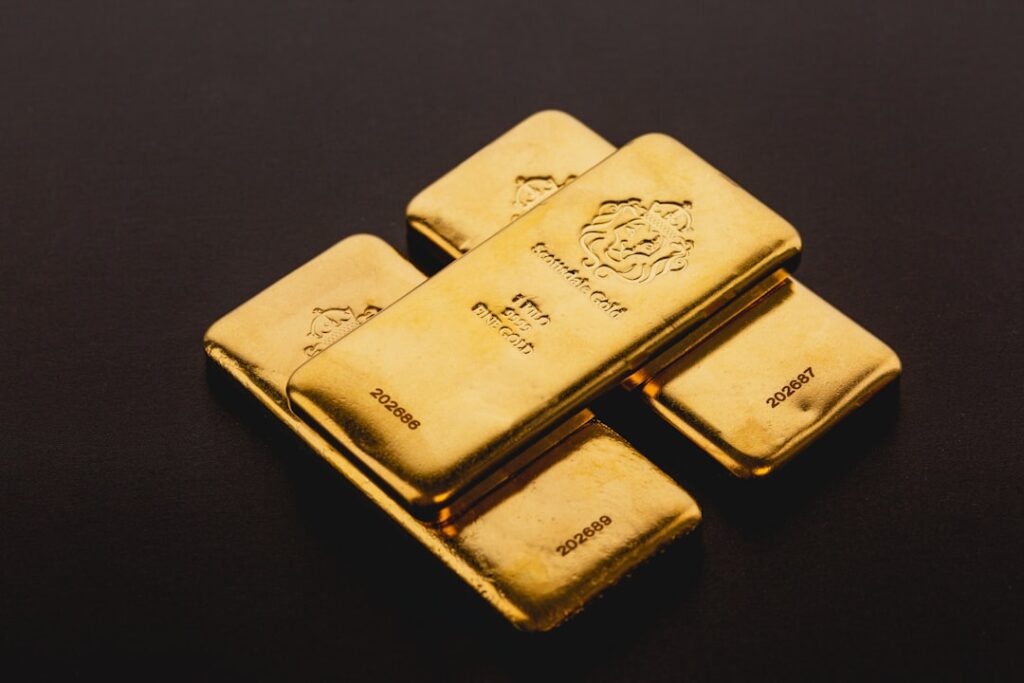

Deciding how much silver to buy depends on your budget and goals. Smaller bars, like one-ounce or ten-ounce pieces, let you invest gradually and offer easier liquidity if you need cash quickly. Larger bars, say 100 ounces or even 1,000 ounces, often come with a lower price per ounce but require a bigger upfront payment and might be harder to sell in parts later. Weigh these options carefully, considering how quickly you might want to access your investment.
Where you buy matters, too. Dealers vary in price and reliability. Some charge higher premiums because of their reputation or customer service, which can be worth it if you value transparency and support. Look for sellers who provide clear pricing and buy-back options, these guarantees can save headaches when market prices fluctuate. It’s also smart to check reviews or ask fellow investors about their experiences before committing.
Storage is another practical concern. Many people stash their bars in a home safe, but that comes with risks like theft or damage. Third-party vaults offer insured storage and strict security measures, although they carry recurring fees. Some investors split their holdings between personal safes and professional storage to balance convenience with security. Don’t overlook the importance of documenting your holdings carefully; keeping records and photos can prevent disputes if you ever need insurance claims.
Silver prices change based on industrial use, economic shifts, and political events. Following these trends helps you time purchases or sales better. For example, demand from electronics manufacturers might boost prices, while global economic uncertainty can drive investors toward precious metals. Staying informed through reliable financial news or metal-specific market reports is more useful than relying on guesswork or rumors.
Be clear about why you want silver bullion bars. Are you preserving wealth over decades or looking for short-term gains? Your strategy affects your bar size, dealer choice, and storage method. Some investors regularly rebalance their metal holdings as part of a broader portfolio review. Others hold tight through market swings. Getting comfortable with your approach means fewer surprises.
Connecting with others who invest in precious metals adds real value. Online forums and local investment groups offer practical advice and firsthand stories about buying, selling, and storing silver bars. Such conversations often reveal overlooked details, like common paperwork mistakes or how to spot subtle differences in bar markings that indicate authenticity. Talking with a financial advisor familiar with precious metals can also clarify tax implications and regulatory considerations specific to your location.
Incorporating silver bullion bars into your portfolio doesn’t have to be complicated. Choosing the right size bars, trustworthy dealers, and appropriate storage while tracking market trends puts you in control. For those ready to expand their investment mix, exploring might open new doors.